
What Is the Best Friction Kelly Bar Manufacturer in China?
FLUID HANDLING EXPERTS

Blog, all our news

What Is the Best Friction Kelly Bar Manufacturer in China?

Demand for reliable foundation equipment is tied to a much larger infrastructure challenge. The Global Infrastructure Hub’s Global Infrastructure Outlook (2017) estimated that worldwide infrastructure investment needs would reach about US$94 trillion by 2040, with a projected funding gap of roughly US$15 trillion. These figures describe infrastructure, not demand for any specific drilling component. Still, they help explain why contractors scrutinize equipment durability and service support.

A Friction Kelly bar transfers rotary torque through interlocking sections while extending the drill string. On a busy site, its performance shows up in practical details: section fit, tooth condition, weld quality, and smooth extension under load. Details matter. Buyers should compare bar dimensions and rated torque with their rig’s technical requirements, then check inspection records, material traceability, and warranty terms. A polished brochure is not proof of consistent manufacturing.

So, what is the best Friction Kelly bar manufacturer in China? There is no reliable answer based on price or brand claims alone. A credible comparison needs verifiable specifications, documented quality controls, relevant project references, and responsive after-sales support. Ask for drawings and inspection evidence, and confirm that the proposed bar matches the intended drilling conditions. One caution: published infrastructure forecasts cannot identify the best supplier. That judgment requires current, supplier-specific evidence—and buyers should treat missing documentation as a reason to investigate further.
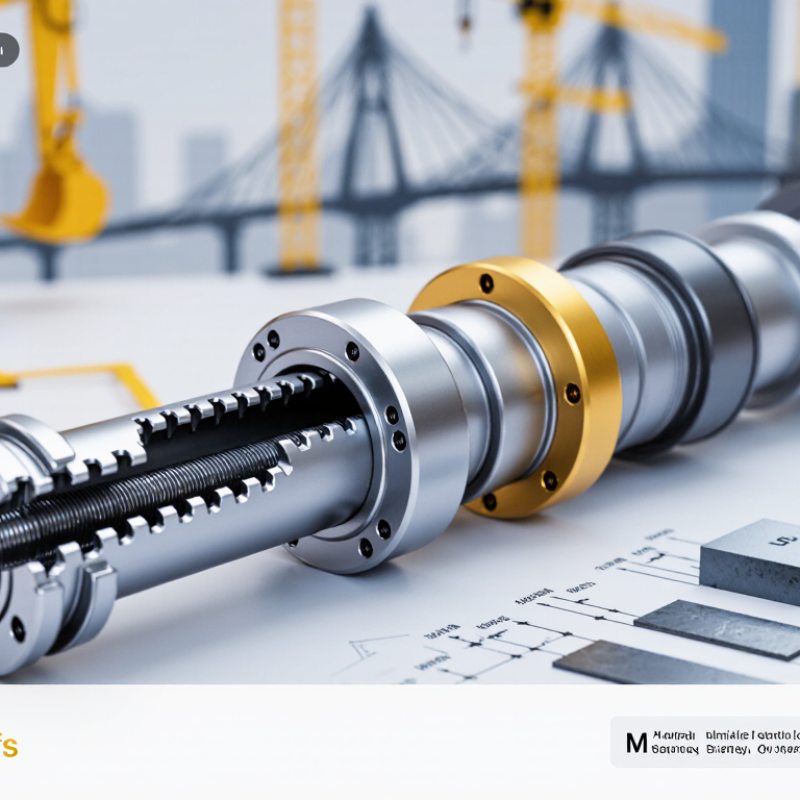
What Is the Best Friction Kelly Bar Manufacturer in China?

What Is a Friction Kelly Bar and How Does It Work?

What Is the Best Friction Kelly Bar Manufacturer in China?

What Is a Friction Kelly Bar and How Does It Work?

A friction Kelly bar is a telescopic drilling tool made from nested steel sections. It connects the drilling rig’s rotary drive to the bucket or auger. As the drive turns, torque passes through the bar’s contact surfaces and friction-lock areas. The sections extend under their own weight and drilling pressure, allowing the tool to reach deeper ground. Simple in principle. Not effortless in practice. Soil resistance, alignment, and wear can affect how smoothly the sections engage.

During drilling, the operator lowers the bar while the tool cuts into the ground. Contact between the extended sections helps transmit torque. When the tool is lifted, the sections retract into one another for handling or transport. The exact design varies, so check the bar’s rated torque, length, and compatibility with the rig. A mismatch may cause uneven wear or poor engagement. One detail is easy to overlook: dried mud on the section surfaces can interfere with movement.

Tips: Inspect contact areas for scoring, cracks, or heavy wear before work. Keep sections clean and follow the supplier’s maintenance guidance. If extension feels uneven, pause and investigate rather than forcing the bar.

Which Features Define a Reliable Friction Kelly Bar?

A reliable friction Kelly bar starts with a clear match between its torque rating, drilling depth, and the rig’s actual output. FHWA’s Drilled Shafts: Construction Procedures and Design Methods (2018, FHWA-NHI-18-024) stresses selecting drilling equipment for the planned shaft and ground conditions. Peak torque alone is not enough. In the field, check that telescopic sections extend smoothly, remain straight, and show no cracked welds or badly worn contact surfaces. Small defects matter.

Look closely at the friction surfaces and section overlap. Uneven wear can reduce grip, causing sections to slip under load. That risk grows when operators push hard through dense layers. The bar should also have clearly documented material properties, weld inspection records, and a practical maintenance schedule. Ask for dimensional tolerances and inspection results, not just a catalogue rating. Records build trust.

Useful data is specific: measured bar length, section-wall thickness, straightness, and wear before and after service. DFI’s Drilled Shaft Inspector’s Manual likewise treats equipment condition and construction records as important parts of quality control. A simple log helps reveal gradual wear. It is not perfect; field checks can miss hidden fatigue. For critical work, use qualified inspection methods and compare findings against the supplier’s limits.

How Can Chinese Manufacturers Be Evaluated and Compared?

Evaluating a friction Kelly bar manufacturer in China requires more than comparing quoted prices. Check whether the maker can document steel grades, heat-treatment procedures, weld inspections, and dimensional tolerances. Ask for inspection records tied to the specific bar, not only general quality certificates. A reliable comparison also considers section alignment, lock engagement, and wear on contact surfaces. Request drawings and confirm that critical dimensions match your drilling rig.

Look for test data under stated operating conditions, including torque capacity and extension cycles. Ask how rejected sections are repaired or replaced, and what spare parts are available. If possible, inspect a production sample or arrange a factory audit. Watch how measurements are taken; a caliper check on a clean section is useful, but it cannot show long-term wear. A neat brochure is not proof. Compare written warranty terms and response times, then speak with customers using similar rigs and ground conditions. No scorecard is perfect. Even detailed records may not predict every site’s performance, so note your assumptions and review them before placing an order.

How to Evaluate Friction Kelly Bar Manufacturers in China

Suggested buyer-defined weighting for comparing suppliers. These are evaluation priorities, not measured scores or market statistics.

Compare documented evidence for each criterion, such as material traceability records, torque or load test reports, weld inspection results, dimensional inspection data, fatigue-test records, and quality documentation. Adjust the weights to match your project requirements.

What Quality Standards and Services Should Buyers Check?

What Is the Best Friction Kelly Bar Manufacturer in China?

What Quality Standards and Services Should Buyers Check?

When evaluating a friction Kelly bar manufacturer, ask for material certificates linked to each production batch. Check steel grade, tensile strength, hardness, weld quality, and dimensional tolerances. ISO 6892-1 describes tensile testing of metallic materials; ISO 6506-1 covers Brinell hardness testing. These standards can help buyers assess test methods, but a certificate alone does not prove consistent product quality. Small details matter.

World Steel Association’s World Steel in Figures 2025 reports global crude steel production of 1,882.6 million tonnes in 2024. That scale makes traceability important: buyers should confirm that test records match the actual bar sections delivered. Request inspection data for straightness, section dimensions, welds, and fit between telescopic sections. A practical factory acceptance check should include assembly and extension, not just a review of paperwork. A polished report can still miss a bar that binds under load.

Service matters after shipment. Ask whether the supplier provides engineering drawings, clear installation guidance, replacement parts, repair support, and a realistic response time for technical questions. Confirm that the bar is designed for the rig’s torque and drilling depth, and ask how wear or damage is assessed. I would also request references for comparable operating conditions. That step takes time, and it may not reveal everything, but skipping it leaves buyers guessing.

How Can Buyers Choose the Right Manufacturer for Their Project?

Choosing the best friction Kelly bar manufacturer in China starts with your project conditions, not a catalogue photo. Share the required drilling depth, machine model, torque range, and ground profile. A bar designed for soft soil may not suit dense gravel or hard rock. Confirm the required drilling diameter and casing arrangement, too. Small details matter.

Tips: Request a drawing, material specifications, and inspection records. Ask how the manufacturer checks tube straightness, weld quality, and telescopic fit. Compare the proposed bar with your rig’s torque and crowd-force limits. Clarify spare-section availability and realistic production and shipping times. Keep the answers in writing.

Evaluate the friction-locking system and how sections engage under load. Ask for relevant test data, not only general assurances. A factory visit or independent inspection can help verify equipment and quality controls. Check whether technical staff can review your machine details before production. No checklist catches every site surprise; even a careful buyer may need to revise a specification after a soil investigation. Choose a supplier that explains trade-offs clearly and documents agreed tolerances.

Copyright 2025 Fluidra S.A. | Created by BCM Marketing Agencia Privacy Policy Legal note | Cookie policy |

Technical cookies are strictly necessary for our website to work and you can navigate through it. These types of cookies are those that, for example, allow us to identify you, give you access to certain restricted parts of the page if necessary, or remember different options or services already selected by you, such as your privacy preferences. Therefore, they are activated by default, your authorization not being necessary in this regard. Through the configuration of your browser, you can block or alert the presence of this type of cookies, although such blocking will affect the proper functioning of the different functionalities of our website.


The analysis cookies allow us to study the navigation of the users of our website in general (for example, which sections of the page are the most visited, which services are used most and if they work correctly, etc.). From the statistical information on navigation on our website, we can improve both the operation of the page itself and the different services it offers. Therefore, these cookies do not have an advertising purpose, but only serve to make our website work better, adapting to our users in general. By activating them you will contribute to this continuous improvement. You can enable or disable these cookies by checking the corresponding box, being disabled by default.


Functionality cookies allow us to remember your preferences, to personalize certain characteristics and general options of our website, every time you access it (for example, the language in which the information is presented to you, the sections marked as favorites, your browser type, etc.) Therefore, this type of cookies does not have an advertising purpose, but by activating them you will improve the functionality of the website (for example, adapting to your type of browser) and the customization of it based on your preferences (for example, by presenting the information in the language that you have chosen in previous occasions), which will contribute to the ease, usability and comfort of our page during your navigation. You can enable or disable these cookies by checking the corresponding box, being disabled by default.


Advertising cookies allow us to manage the advertising spaces included in our website based on criteria such as the content shown or the frequency in which the ads are displayed. For example, if you have been shown the same ad several times on our website, and you have not shown a personal interest by clicking on it, it will not appear again. In summary, by activating this type of cookies, the advertising shown on our website will be more useful and diverse, and less repetitive. You can enable or disable these cookies by checking the corresponding box, being disabled by default.


Behavioral advertising cookies allow us to obtain information based on the observation of your browsing habits and behaviors on the web, in order to show you advertising content that best suits your personal tastes and interests. To understand it in a very simple way, we will give you a fictitious example: if your last searches on the web were related to suspense literature, we would show you advertising about suspense books. Therefore, activating this type of cookies, the advertising that we show you on our website will not be generic, but will be oriented to your searches, tastes and interests, therefore adjusting exclusively to you. You can enable or disable these cookies by checking the corresponding box, being disabled by default.
To understand it in a very simple way, we will give you a fictitious example: if your last searches on the web were related to suspense literature, we would show you advertising about suspense books. Therefore, activating this type of cookies, the advertising that we show you on our website will not be generic, but will be oriented to your searches, tastes and interests, therefore adjusting exclusively to you. You can enable or disable these cookies by checking the corresponding box, being disabled by default.

SAVE

We use our own and third-party cookies to ensure the proper functioning of the website and to analyse our services, improve your experience on our website and show you advertisements related to your interests according to profiling based on your browsing habits (e.g. websites visited). You can accept all cookies by clicking "ACCEPT" or set or reject them by clicking here. If you would like to know more about the use of cookies, please see our COOKIE POLICY.


ACCEPT ALL
Reject no essentials


