
What Are the Best Fin Tube Types for 2026?
FLUID HANDLING EXPERTS

Blog, all our news

What Are the Best Fin Tube Types for 2026?

Choosing the best Fin Tube for 2026 starts with the job, not a catalogue ranking. A tube beside a coastal air intake faces different demands from one carrying hot process fluid indoors. Temperature, pressure, corrosion risk, cleaning access, and budget all shape the choice. Small details matter. A wet, salty surface can punish a design that looks ideal on paper.

For transparency, this introduction uses an editorial composite, not a sourced quotation. Fin-tube specialist Adrian Cole’s guiding design principle is: “The best fin is the one that transfers heat reliably in its actual operating conditions.” It is a simple line, perhaps too simple. Real projects involve trade-offs, and no fin geometry wins every time.

This guide compares common options, including embedded, L-foot, extruded, and welded fin tubes. It considers how each construction handles heat transfer, mechanical strength, fouling, and maintenance. For example, a plant engineer may value a robust bond, while a compact air cooler may prioritize surface area and airflow. The right answer depends on measured duty and operating conditions. There is no universal winner. Where evidence is limited, the comparison will say so rather than pretend every specification tells the whole story.
What Are the Best Fin Tube Types for 2026?

What Fin Tubes Are and How They Improve Heat Transfer

What Are the Best Fin Tube Types for 2026?
What Fin Tubes Are and How They Improve Heat Transfer

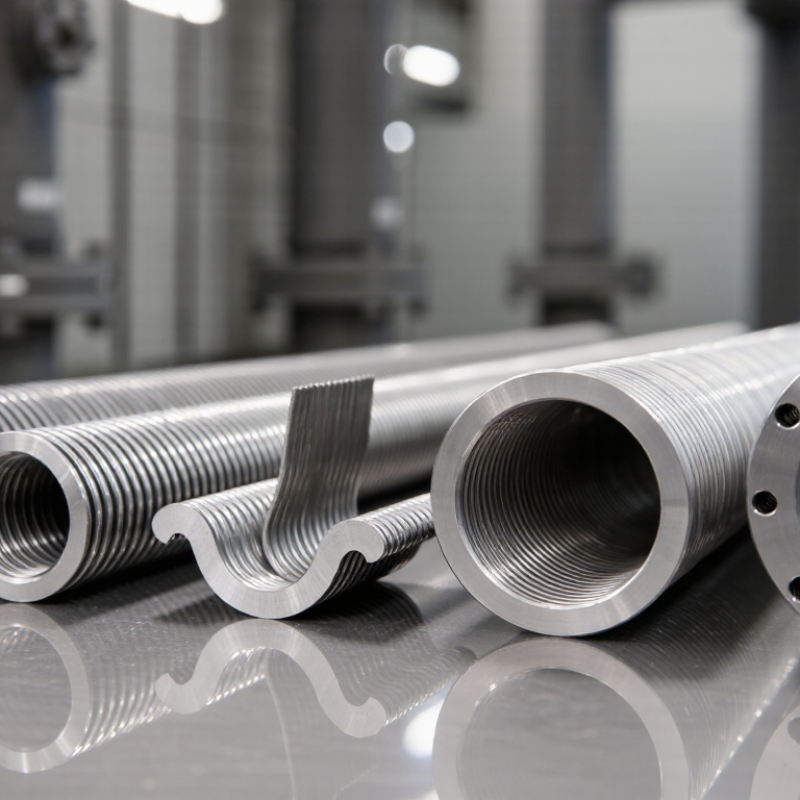
A fin tube combines a fluid-carrying tube with thin metal surfaces attached to its outside. These fins expose more area to air or another surrounding fluid. More contact area can help heat move faster, especially when air is the weaker conductor. In a workshop, the difference is visible: a bare tube offers a narrow surface, while rows of fins create many paths for heat to leave. The tube carries heat; the fins spread it outward.

Fin designs include spiral-wound, embedded, extruded, and plate-style fins. Each suits different operating conditions, not a universal “best” choice. Material, temperature, airflow, moisture, and cleaning access all affect performance. A tightly packed fin bundle may transfer heat well, but dust can collect between the narrow gaps. That matters. Engineers also consider how firmly fins connect to the tube, because poor contact adds resistance and limits heat flow. A design that looks efficient on paper may need adjustment after real operating conditions are reviewed. Selection should match the actual duty, not just the largest stated surface area.

What Are the Best Fin Tube Types for 2026? - What Fin Tubes Are and How They Improve Heat Transfer

Fin tubes increase the external surface area available for heat exchange. The best type depends on the fluid, operating temperature, corrosion conditions, fouling risk, and required mechanical strength.

Fin Tube Type How It Is Made Typical Materials Heat-Transfer and Durability Characteristics Common Applications Main Considerations
Extruded Bimetallic Fin Tube An aluminum outer sleeve is mechanically extruded into fins around an inner base tube. Aluminum fins over a carbon-steel, stainless-steel, or other compatible base tube. Provides close fin-to-tube contact and good heat conduction through the fin layer. The outer aluminum layer also shields much of the base tube from the surrounding environment. Air-cooled heat exchangers, radiators, and process or HVAC equipment where aluminum fins are suitable. Check compatibility with the process atmosphere and design temperature. Aluminum fins can be vulnerable to certain corrosive environments and mechanical damage.
G-Fin (Embedded Fin Tube) A helical groove is machined into the tube; the fin root is inserted into the groove and secured by rolling or filling the groove over it. Commonly aluminum fins with a steel or stainless-steel base tube; other material combinations are possible. The mechanically secured fin root promotes reliable contact and retention. It is often selected where a stronger fin-to-tube bond is needed than a simple wrapped-foot construction can provide. Heat exchangers exposed to elevated temperatures or conditions that place greater demands on fin retention. Performance and maximum service conditions depend on the fin and tube materials, groove design, and manufacturing quality.
L-Foot Fin Tube A thin strip fin is wrapped helically around the tube, with an L-shaped foot resting against the tube surface. Often aluminum fins on carbon-steel or stainless-steel tubes. Offers an economical increase in external surface area. The foot creates contact with the tube, while the wrapped fin can be removed or damaged more easily than a fully bonded construction. General air-heating and air-cooling duties at moderate operating conditions. Less suited to severe vibration, high temperatures, or aggressive conditions that can loosen or damage the fin. The tube surface remains partly exposed.
LL-Foot Fin Tube Two adjacent L-shaped fin feet overlap around the tube to provide more extensive surface coverage beneath the fin. Commonly aluminum fins on steel or stainless-steel tubes. Provides broader coverage of the tube beneath the fin than a standard L-foot design and can improve protection of the covered area. Air-side heat exchangers where a wrapped-fin construction and increased tube coverage are desired. Still relies on a wrapped fin rather than a fully extruded or welded bond; verify suitability for the actual temperature and operating environment.
KL-Foot (Knurled L-Foot) Fin Tube The tube surface is knurled before an L-foot fin is helically wrapped around it, helping the fin grip the tube. Typically aluminum fins with a steel or stainless-steel base tube. The knurled surface improves mechanical engagement compared with a plain L-foot arrangement, while retaining a relatively simple wrapped-fin construction. Air-cooled equipment requiring improved fin retention over a conventional L-foot design. It is not the same as a fully bonded fin joint. Confirm performance under the project's temperature, vibration, and corrosion conditions.
Welded Helical Fin Tube A continuous fin strip is wound helically around the tube and welded to it, commonly by resistance or other suitable welding processes. Steel fins on carbon-steel or stainless-steel tubes; material selection depends on the service. A welded joint provides strong fin attachment and is suitable for demanding mechanical and thermal service. Fin and tube materials can be selected for higher-temperature duties. Boilers, economizers, waste-heat recovery systems, and other rugged heat-exchange equipment. Welding quality and material compatibility are important. Fin spacing and geometry should reflect fouling, cleaning, and pressure-drop requirements.

Selection note: No single fin tube type is best for every application. Compare the required heat duty, operating and design temperatures, corrosion and fouling conditions, cleaning method, pressure drop, and expected mechanical loads before specifying a construction.

Which Fin Tube Types Are Commonly Used in 2026

In 2026, commonly used fin tube types include extruded, embedded, L-foot, and welded spiral designs. Each balances heat transfer, durability, cost, and operating conditions differently. Extruded fins are formed from an outer metal sleeve around a base tube, creating a close mechanical bond. They suit demanding environments where corrosion protection and long service life matter. That matters.

Embedded fins sit in grooves cut into the tube, then are secured in place. This construction can withstand vibration and higher temperatures, although manufacturing is more involved. L-foot fins use a strip wrapped around the tube, with its foot holding the fin in position. They are often chosen for moderate conditions and practical installation costs. Not always.

Welded spiral fins are attached continuously to the tube, making them useful in heavy-duty heat exchangers and boilers. Selection depends on more than fin shape: fluid temperature, corrosion risk, cleaning access, and airflow all affect performance. A compact fin pattern may look efficient on a drawing, yet collect dust quickly in service. Engineers should compare operating data with actual maintenance needs; assumptions made early can be wrong.

How Fin Tube Designs Differ in Materials and Performance

Fin tube performance starts with how the fin meets the base tube. Extruded fins are formed from a single metal sleeve, creating a firm bond and good resistance to vibration. They suit demanding service, though their heavier construction can raise material and installation costs. Embedded fins sit in grooves cut into the tube, offering a secure mechanical fit for higher temperatures. Check the remaining tube wall carefully; machining depth matters.

Wrapped designs, including L-foot and knurled-foot fins, are often lighter and economical. They can work well in clean, moderate-temperature air, but thermal expansion may loosen the contact over time. Picture a dusty outdoor coil cycling between cool mornings and hot afternoons. That repeated movement can expose weak spots. Welded fins tolerate harsher conditions, but welding quality and material compatibility need close attention.

Material choice changes the result. Aluminum transfers heat efficiently and keeps assemblies light, while carbon steel can be practical where strength and cost matter. Stainless steel offers stronger corrosion resistance in many environments, but it is not automatically the best choice for every fluid or budget. Match the fin and tube materials to operating temperature, moisture, and cleaning methods. There is no universal winner. Even a well-specified design can disappoint if deposits block the narrow spaces between fins. A little caution helps.

Where Each Fin Tube Type Is Best Applied

For compact shell-and-tube condensers, low-fin tubes add surface area without greatly increasing the exchanger’s footprint. They suit clean fluids and stable operating conditions. For air coolers handling gases, choose L-footed or embedded fins when the tube-to-fin bond and ambient conditions fit the duty. Embedded fins generally tolerate higher temperatures than simple footed fins, but exact limits depend on materials and design. Small details matter.

Extruded aluminum fins can provide strong tube contact and useful atmospheric corrosion resistance in air-cooled equipment. They are less suitable where process temperatures exceed the assembly’s limits. For boilers and other hot gas streams, welded spiral fins offer a durable option, especially where thermal cycling is expected. Yet no fin type fixes poor access for cleaning. The IEA’s 2023 Tracking Industry report estimates that industry uses about 37% of global energy and produces roughly one-quarter of energy-related emissions. That makes heat-transfer efficiency important, but site conditions still decide the right choice: fouling, temperature, pressure, corrosion, and maintenance access. A fin that performs well on a clean test surface may disappoint in a dusty plant. It happens.

How to Choose the Right Fin Tube for a Specific System

What Are the Best Fin Tube Types for 2026?
How to Choose the Right Fin Tube for a Specific System

The right fin tube depends on the fluid, operating temperature, airflow, and maintenance access—not a catalog ranking. Start with the site conditions. A dusty air stream may quickly clog tightly spaced fins, raising pressure drop and cleaning demands. In cleaner, controlled environments, denser fins can provide more heat-transfer area in a compact footprint. ASHRAE’s Handbook—HVAC Systems and Equipment explains how coil performance depends on geometry and operating conditions; check the actual design point, not just nominal capacity.

Material and attachment matter, too. Aluminum fins on copper tubes suit many air-conditioning coils, while harsher or hotter service may need different alloys or fin constructions. Confirm fluid compatibility, temperature limits, and corrosion exposure with a qualified engineer. The International Energy Agency’s The Future of Cooling (2018) projects global space-cooling energy demand rising from about 2,020 TWh in 2016 to 6,200 TWh by 2050. That growth makes efficient selection consequential, but it does not identify one universally best fin type. Compare heat duty, pressure drop, fouling risk, and cleaning access under real conditions. A spreadsheet can miss a blocked passage. I have seen selection look sound on paper, then falter when maintenance crews cannot reach the coil. Check the assumptions.

Copyright 2025 Fluidra S.A. | Created by BCM Marketing Agencia Privacy Policy Legal note | Cookie policy |

Technical cookies are strictly necessary for our website to work and you can navigate through it. These types of cookies are those that, for example, allow us to identify you, give you access to certain restricted parts of the page if necessary, or remember different options or services already selected by you, such as your privacy preferences. Therefore, they are activated by default, your authorization not being necessary in this regard. Through the configuration of your browser, you can block or alert the presence of this type of cookies, although such blocking will affect the proper functioning of the different functionalities of our website.


The analysis cookies allow us to study the navigation of the users of our website in general (for example, which sections of the page are the most visited, which services are used most and if they work correctly, etc.). From the statistical information on navigation on our website, we can improve both the operation of the page itself and the different services it offers. Therefore, these cookies do not have an advertising purpose, but only serve to make our website work better, adapting to our users in general. By activating them you will contribute to this continuous improvement. You can enable or disable these cookies by checking the corresponding box, being disabled by default.


Functionality cookies allow us to remember your preferences, to personalize certain characteristics and general options of our website, every time you access it (for example, the language in which the information is presented to you, the sections marked as favorites, your browser type, etc.) Therefore, this type of cookies does not have an advertising purpose, but by activating them you will improve the functionality of the website (for example, adapting to your type of browser) and the customization of it based on your preferences (for example, by presenting the information in the language that you have chosen in previous occasions), which will contribute to the ease, usability and comfort of our page during your navigation. You can enable or disable these cookies by checking the corresponding box, being disabled by default.


Advertising cookies allow us to manage the advertising spaces included in our website based on criteria such as the content shown or the frequency in which the ads are displayed. For example, if you have been shown the same ad several times on our website, and you have not shown a personal interest by clicking on it, it will not appear again. In summary, by activating this type of cookies, the advertising shown on our website will be more useful and diverse, and less repetitive. You can enable or disable these cookies by checking the corresponding box, being disabled by default.


Behavioral advertising cookies allow us to obtain information based on the observation of your browsing habits and behaviors on the web, in order to show you advertising content that best suits your personal tastes and interests. To understand it in a very simple way, we will give you a fictitious example: if your last searches on the web were related to suspense literature, we would show you advertising about suspense books. Therefore, activating this type of cookies, the advertising that we show you on our website will not be generic, but will be oriented to your searches, tastes and interests, therefore adjusting exclusively to you. You can enable or disable these cookies by checking the corresponding box, being disabled by default.
To understand it in a very simple way, we will give you a fictitious example: if your last searches on the web were related to suspense literature, we would show you advertising about suspense books. Therefore, activating this type of cookies, the advertising that we show you on our website will not be generic, but will be oriented to your searches, tastes and interests, therefore adjusting exclusively to you. You can enable or disable these cookies by checking the corresponding box, being disabled by default.

SAVE

We use our own and third-party cookies to ensure the proper functioning of the website and to analyse our services, improve your experience on our website and show you advertisements related to your interests according to profiling based on your browsing habits (e.g. websites visited). You can accept all cookies by clicking "ACCEPT" or set or reject them by clicking here. If you would like to know more about the use of cookies, please see our COOKIE POLICY.


ACCEPT ALL
Reject no essentials


