
In today’s competitive market, having the right tools is crucial for business success. An Adhesive Laminating Machine stands out as a vital investment for many companies. According to a recent industry report, the global laminating machine market is projected to reach over $3 billion by 2025, driven by increased demand for high-quality print finishes.
Adhesive laminating machines enhance the durability and appearance of printed materials. They provide a protective layer that prevents damage from moisture, dirt, and fading. With the rise of digital printing, more businesses are recognizing the need for effective lamination solutions. However, choosing the right machine can be overwhelming. The market offers a wide array of options, each with unique features and capabilities.
While many manufacturers advertise their products as superior, not all meet industry standards. Businesses must consider factors such as speed, ease of use, and maintenance requirements. Making an informed decision requires understanding both the benefits and potential drawbacks of each machine type. Investing in an Adhesive Laminating Machine can transform the quality of your products, but careful research is essential to avoid costly mistakes.
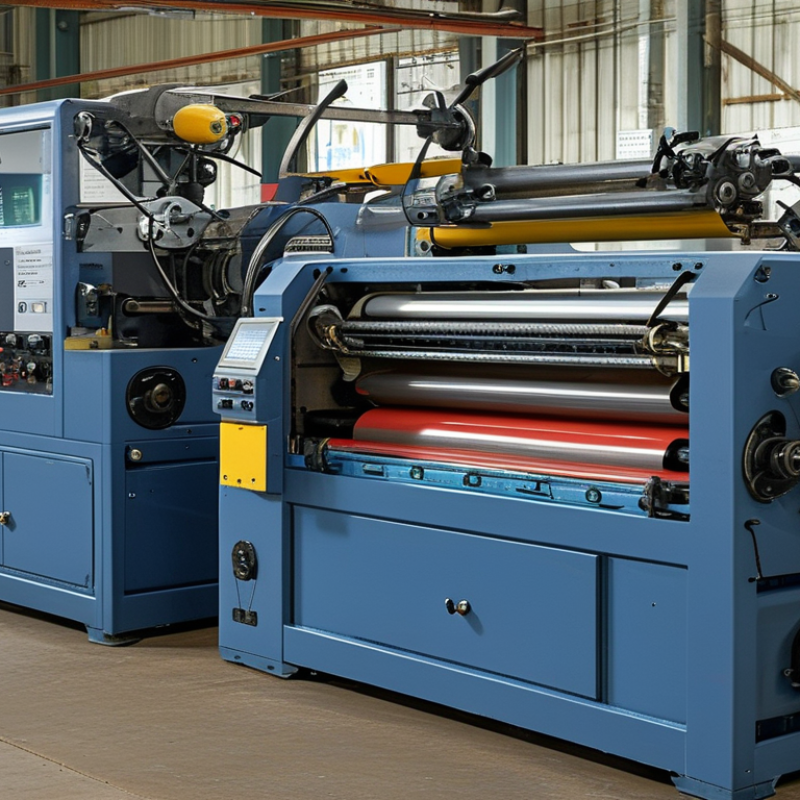
When selecting a laminating machine for business needs, consider several crucial factors. First, think about the volume of work. A machine that can handle high volumes is essential for busy environments. According to industry reports, businesses can see an increase in efficiency by 25% with higher-capacity models. This can drastically reduce turnaround times for important projects.
Another key consideration is the type of lamination. Hot versus cold laminating machines serve different purposes. Hot laminating offers a strong seal, ideal for items that need durability. Cold lamination is often better for delicate materials that may be damaged by heat. Understanding the specific needs of your projects will guide this choice. Additionally, the flexibility and ease of use of the machine can impact daily operations. Machines that offer adjustable speed and temperature settings may require more expertise, complicating training processes.
Durability and maintenance are also essential factors. Regular maintenance can prevent costly repairs and downtime. A study noted that 30% of businesses experience reduced productivity due to equipment failures. Investing in a reliable machine with good warranty support can mitigate these risks. It's crucial to research and gather feedback from other users before making a final decision.

This chart compares key features of adhesive laminating machines that are essential for business needs. It shows speed, maximum width, temperature range, weight, and price as important factors to consider when choosing the right laminating machine.
Adhesive laminating machines are crucial for businesses needing quality document protection. Understanding the different types available can help you choose the right one. Most adhesive laminators fall into two categories: thermal and cold. Each type serves different purposes and has unique benefits.
Thermal laminators use heat to bond the adhesive to the laminate film. They are ideal for projects requiring durable, high-gloss finishes. However, heat can damage sensitive documents. Cold laminators, on the other hand, use pressure rather than heat. This makes them suitable for items that cannot endure high temperatures, such as photographs. While cold laminators may not provide the same glossy finish, they offer flexibility and ease of use.
When selecting a machine, consider your specific business needs. Look at the variety of film thicknesses available, as this impacts durability. The speed of the laminating process is also essential to keep production high. Unfortunately, some businesses overlook the importance of maintenance. Regular cleaning is vital for consistent performance. Evaluating user feedback might also reveal common issues.
When searching for a commercial-grade laminating machine, it's essential to focus on specific features that can enhance your business operations. Durability is one of these critical aspects. A reliable machine should withstand daily usage while maintaining consistent performance. Look for models equipped with high-quality rollers and robust construction, as these contribute significantly to longevity.
Another crucial feature to consider is the laminating speed. Fast machines can increase productivity, especially in high-demand environments. They not only save time but also improve workflow efficiency. Adjustable speed settings might also be beneficial. This allows customization based on the material being laminated.
Temperature control is equally important. Precise temperature settings ensure optimal lamination and prevent warping of materials. Some machines have digital displays for easy monitoring. This adds a level of accuracy, which is essential for professional results. However, be aware that advanced functionalities can lead to a steeper learning curve. It’s important to weigh efficiency against usability for your team's skill set.
When considering adhesive laminating machines for your business, it's essential to analyze the leading brands closely. Evaluating performance, ease of use, and durability can significantly impact your decision. Many users report that their primary concern is not just the initial cost but also the long-term functionality. A reliable machine should produce high-quality laminations consistently.
User reviews highlight features such as speed and versatility. Some machines excel at handling various film types and sizes, catering to different projects. However, operators often note the learning curve associated with advanced models. It's crucial to weigh the benefits of increased efficiency against potential operational challenges. The ease of maintenance also proves vital; some machines may require more frequent servicing than others.
Another critical aspect to consider is the machine's support and resource availability. Manufacturers that provide robust customer service tend to have an edge. They can guide users through troubleshooting and maintenance issues. The durability of materials used in machines also comes under scrutiny, as some users encounter breakdowns sooner than expected. Balancing these factors can help in making an informed choice tailored to specific business needs.
The laminating technology market is evolving rapidly. Businesses increasingly demand high-quality, durable solutions. The push for eco-friendly materials is strong. It reflects a broader trend towards sustainability in many industries. In recent years, innovations in adhesive laminating machines have transformed the landscape. They now offer users more options, enhancing operational efficiency.
Investments in automation are on the rise. Automated laminating processes reduce errors and save time. A variety of applications emerge as companies seek to boost productivity. However, there remains a concern about the adaptability of older equipment. Many businesses hesitate to upgrade, fearing the costs and potential downtime.
Market forecasts indicate a robust growth trajectory for laminating technologies. Increased use in packaging, retail, and education sectors highlights this trend. Yet, challenges persist. Companies must navigate supply chain disruptions and fluctuating material prices. Finding reliable suppliers who understand these dynamics is crucial. The future of laminating technology appears promising, but awareness of market trends is essential for successful adoption.
| Model | Max Lamination Width (inches) | Max Lamination Speed (ft/min) | Heating Method | Price Range (USD) |
|---|---|---|---|---|
| Laminator A | 12 | 15 | Electric | $300 - $500 |
| Laminator B | 18 | 20 | Heat Roll | $400 - $600 |
| Laminator C | 10 | 12 | Cold | $150 - $300 |
| Laminator D | 14 | 18 | Heat Plate | $250 - $450 |
| Laminator E | 16 | 25 | Infrared | $450 - $700 |

Cepex is the brand for the fluid handling market belonging to the Fluidra group. One of the leading european manufacturer of valves and fittings in thermoplastic materials.
Dedicated to the swimming pool, irrigation and industrial markets, we distribute our products worldwide with the Fluidra commercial network and presence in 46 countries with 136 sales branches.


