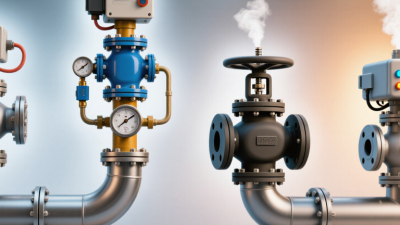
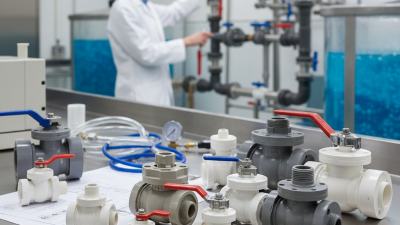
Industrial plants rely on valves to isolate lines, regulate flow, and protect equipment as pressure and temperature change. As process systems become more automated, actuated valves enable repeatable adjustments from control rooms or local panels. The market is substantial. Grand View Research’s Industrial Valves Market report estimated the global market at USD 77.8 billion in 2023, with a projected value of USD 110.5 billion by 2030. These figures cover industrial valves broadly, not actuated products alone, but they show the scale of equipment selection. The International Energy Agency has reported that industry accounts for about 37% of global energy use. Small control losses can matter.
This guide examines seven valve types used in industrial applications, including ball, butterfly, gate, globe, plug, diaphragm, and pinch designs. Each brings different strengths in shutoff, throttling, maintenance, and resistance to demanding media. Actuation matters too: electric, pneumatic, and hydraulic systems differ in response, available power, and installation needs. A neat specification sheet can still hide a poor fit. The right choice depends on the fluid, operating pressure, temperature range, cycle frequency, and required failure position. There is no universal winner. These comparisons offer a practical starting point, but plant conditions and manufacturer data should guide the final selection.
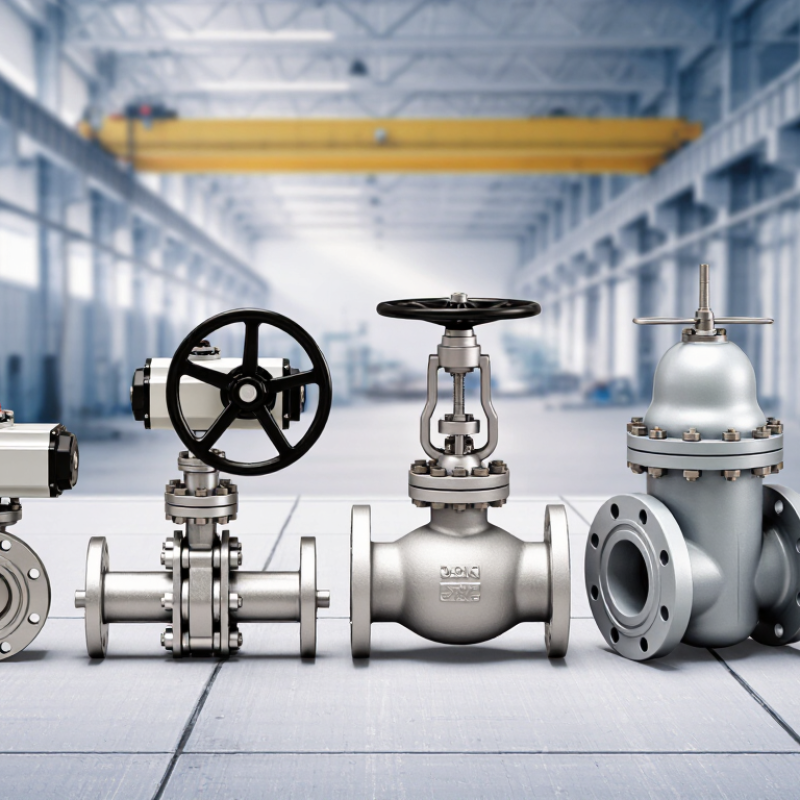
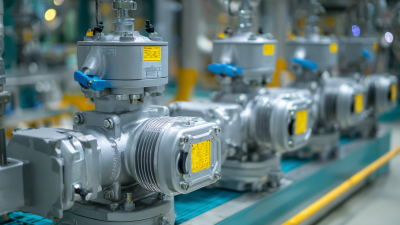
In many systems, an actuator turns the ball through a quarter-turn. That motion supports fast, repeatable shutoff. Operators can trigger the valve remotely, while position feedback confirms whether it has moved. Small details matter. A clear status signal can help staff spot a valve that did not reach its commanded position.
Selection starts with the fluid, line pressure, temperature, and required closing time. An undersized actuator may stall against pressure or a tight seat. Too much torque can shorten seat life. Check torque data across the full operating range, not just at startup. Air supply, voltage, enclosure rating, and the desired fail position also affect the choice. These are easy to overlook.
Ball valves are often chosen for on/off service, but they are not automatically ideal for throttling. Partly open operation can accelerate seat wear, especially with abrasive or high-velocity media. Routine checks should include actuator response, stem-area leaks, and unusual vibration. Commissioning can reveal surprises. Piping strain or inconsistent air pressure may slow operation, so review sizing and setup rather than guessing.
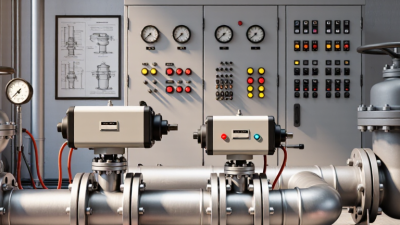
Actuated butterfly and plug valves offer practical flow control, but they suit different duties. A butterfly valve turns a disc across the flow path, making it compact and quick to operate. It often fits large water, cooling, and low-pressure service lines where space and weight matter. Plug valves rotate a shaped plug to open, throttle, or isolate flow. Their relatively direct passage can handle viscous fluids, though solids and deposits may affect sealing. Small details matter. Check the fluid, pressure, temperature, and required shutoff before choosing either design.
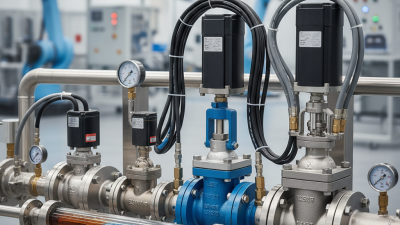
Automation adds value when operators need repeatable positioning or remote control. Electric actuators can support precise adjustment; pneumatic units often suit fast, frequent cycling where air is available. The U.S. Department of Energy’s Improving Pumping System Performance sourcebook reports that pumping systems use nearly 20% of the world’s electrical energy, with potential savings of 25–50% through system improvements. That figure is not a promise of valve-related savings. Correct sizing, pump selection, and control strategy all matter. A valve that is oversized may spend much of its time nearly closed; one that is undersized can restrict flow. I have seen specifications overlook actuator torque at startup. It is an easy miss, and worth checking against the actual operating conditions.
| Valve Type | Motion | Common Industrial Uses | Key Advantages | Selection Considerations | Typical Actuator Options |
|---|---|---|---|---|---|
| Butterfly | Quarter-turn; a disc rotates within the pipe. | Water treatment, HVAC, cooling-water circuits, and large-diameter process lines. | Compact, lightweight, and generally economical for large pipe sizes; can support on/off or modulating control when properly specified. | Disc and seat materials must suit the fluid, temperature, and pressure. The disc remains in the flow path and may create pressure loss. | Electric, pneumatic, or hydraulic quarter-turn actuator. |
| Plug | Quarter-turn; a tapered or cylindrical plug rotates to open or close the flow path. | General process service, utility lines, and some services involving viscous or solids-bearing fluids. | Simple quarter-turn operation; available with port designs suited to different flow and shutoff needs. | Torque requirements, sealing design, lubricant compatibility, and solids content should be evaluated for the service. | Electric, pneumatic, or hydraulic quarter-turn actuator. |
| Ball | Quarter-turn; a bored ball rotates to control flow. | Process isolation, utility piping, and applications requiring tight shutoff. | Fast operation and low flow resistance when fully open; many designs provide effective shutoff. | Standard port designs may restrict flow; verify pressure-temperature limits, seat materials, and suitability for throttling. | Electric, pneumatic, or hydraulic quarter-turn actuator. |
| Globe | Linear; a plug moves toward or away from a seat. | Process flow regulation, steam systems, and control loops requiring frequent adjustment. | Well suited to throttling and controlled flow adjustment; trim can be selected for particular control characteristics. | Typically has greater pressure drop than straight-through valve designs. Size and trim should be selected for the required flow range. | Usually a pneumatic or electric linear actuator; hydraulic options are also available. |
| Gate | Linear; a gate moves across the flow path. | Isolation in water, power, and general industrial piping where the valve is normally fully open or fully closed. | Provides a relatively unobstructed flow path when fully open in many designs. | Generally not intended for routine throttling. Operating time, stem arrangement, and space for actuator travel need consideration. | Electric or hydraulic multi-turn actuator; pneumatic options depend on valve design. |
| Diaphragm | Linear; a flexible diaphragm presses against a weir or valve body. | Corrosive or high-purity fluids, water treatment, and applications where process fluid isolation is important. | The diaphragm separates the operating mechanism from the process fluid; wetted materials can be selected for compatibility. | Diaphragm material and operating limits are service-dependent. Pressure and temperature ratings may be lower than those of some metal-seated designs. | Pneumatic or electric linear actuator; manual operation is also common. |
| Pinch | Linear; an actuator compresses a flexible sleeve to restrict or stop flow. | Slurries, abrasive fluids, powders, and some fluid-handling applications with suspended solids. | The sleeve can provide a smooth flow path and isolate the fluid from many valve-body components. | Sleeve material, abrasion resistance, pressure rating, and cycle life must match the process conditions. | Pneumatic, electric, or hydraulic actuator, depending on valve size and sleeve design. |
Actuated gate and globe valves solve different process problems, even when both connect to the same control system. A gate valve is typically selected for on-off isolation, where low pressure loss matters and throttling is not routine. Its gate moves across the flow path, leaving a relatively clear bore when fully open. Slow travel can help limit sudden flow changes, but actuator torque must account for pressure, packing friction, and deposits. Not a universal fix. In slurry or scaling service, solids may lodge near the seats, and frequent cycling can increase leakage risk.
Globe valves are often better suited to repeatable flow regulation. Their plug moves toward or away from a seat, creating a controllable restriction that an electric or pneumatic actuator can position. This geometry adds pressure drop, and the valve may run warmer or noisier under high differential pressure. Check the expected flow range, fluid temperature, shutoff requirement, and failure position before selecting an actuator. Bench testing the complete assembly is useful; catalog torque alone may miss real packing drag. Field conditions are messier. A sizing margin can be sensible, yet an oversized valve may control poorly at low flow. Verify the installed control range rather than assuming the calculation is perfect.
Actuated diaphragm valves are useful when process media must stay separated from the moving parts. A flexible diaphragm closes against a weir, helping limit leakage paths and reduce fluid trapped around the stem. This design can suit corrosive liquids, clean-in-place lines, and sensitive batches, provided the diaphragm material matches the chemistry and temperature. Check pressure limits carefully. A valve that works well on water may not perform reliably with a hot, aggressive solution.
Actuated pinch valves use a different approach: an actuator compresses a replaceable sleeve to stop flow. The open bore can pass slurries, fibrous material, or liquids carrying soft solids with less obstruction than many conventional valve designs. That matters in mineral processing and wastewater handling. Sleeve wear is the trade-off. Abrasive particles can shorten service life, so operators should inspect the sleeve and track cycle frequency instead of relying only on a calendar schedule.
Selection depends on more than media type. Compare operating pressure, temperature, required flow rate, cleaning method, and actuator response. Pneumatic actuators can offer quick cycling, while electric units may provide more precise positioning, depending on the control system. Also confirm the required fail position during loss of power or air. Datasheets make selection look tidy; real process conditions often are not. A small pilot installation can expose compatibility or maintenance issues before a full line is changed.
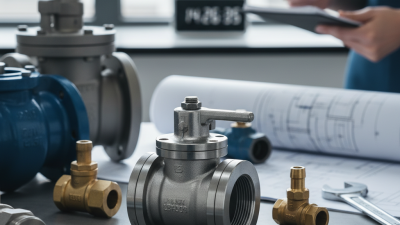
A suitable actuated valve should match the process, not just the pipe size. Start with the fluid, operating pressure, temperature range, and required flow. A clean water line and a line carrying abrasive slurry place very different demands on valve trim and body materials. Check whether the valve will isolate flow or regulate it continuously. The distinction affects both valve design and actuator sizing.
Then consider how the actuator will operate. Pneumatic units may suit sites with reliable compressed air, while electric units can simplify control where power and wiring are available. Confirm the required fail position during a loss of power or air. Open, closed, or unchanged may each be appropriate, depending on the process risk. Small details matter. A valve exposed to washdown, vibration, or outdoor temperature swings may need different protection than one in a dry control room. Ask how often it will cycle, and whether position feedback is needed. A quick sizing estimate can be tempting, but it deserves a second check; oversized valves can make precise control harder. Review maintenance access, available utilities, and connection standards before purchase. The best choice is usually the one that meets the process conditions reliably and can be inspected without disrupting nearby equipment.
How to Select the Right Actuated Valve for an Industrial Application
Pneumatic actuators commonly use compressed air at about 3–6 bar, while industrial hydraulic systems often operate around 70–200 bar. These indicative ranges vary by actuator design and application. Electric actuators use electrical power rather than fluid supply pressure.

Cepex is the brand for the fluid handling market belonging to the Fluidra group. One of the leading european manufacturer of valves and fittings in thermoplastic materials.
Dedicated to the swimming pool, irrigation and industrial markets, we distribute our products worldwide with the Fluidra commercial network and presence in 46 countries with 136 sales branches.