
Why Choose Cuplock Scaffolding for Your Projects?
FLUID HANDLING EXPERTS

Blog, all our news

Why Choose Cuplock Scaffolding for Your Projects?

On a busy construction site, scaffold delays can affect trades, deliveries, and the day’s work plan. Cuplock Scaffolding is often chosen for its node-based connection system, which uses cups and locking components to join horizontal and vertical members. Crews can assemble practical working platforms without handling a large number of loose fittings. That can help. But only when the components are compatible and the team understands the system.

The appeal is easy to picture: standards set in place, ledgers secured at regular points, and platforms adjusted to suit the task. This flexibility can be useful on building, maintenance, and industrial projects. Its value, however, depends on sound planning—not just quick assembly. Site conditions, working height, intended loads, access, and edge protection all need careful consideration. A scaffold should be erected, altered, and inspected by competent personnel in line with the manufacturer’s instructions and applicable requirements. Details matter. A poorly seated connection or an unsuitable base can undermine an otherwise orderly setup. Cuplock Scaffolding is not automatically the best choice for every project, either; layout complexity, available components, and crew experience may change the decision. The following guide looks at where the system can perform well, what to check before selection, and which practical limitations deserve attention. Some sites still reveal surprises. That is worth remembering.
Why Choose Cuplock Scaffolding for Your Projects?

What Cuplock Scaffolding Is and How Its Components Fit Together

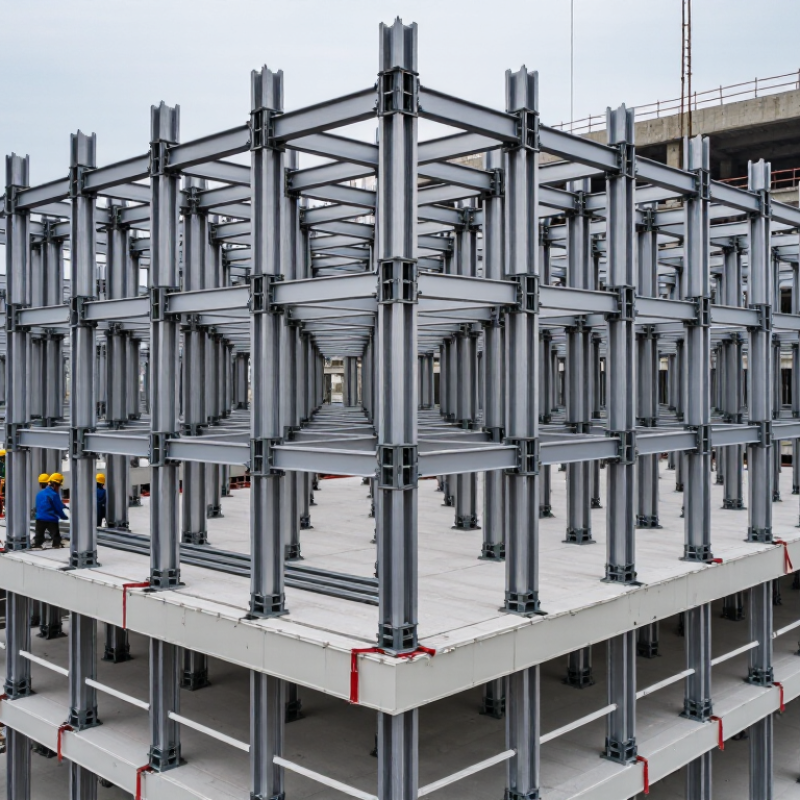
Cuplock scaffolding is a modular steel system built from vertical standards and horizontal ledgers. Each standard has fixed cup joints; ledger and transom ends slot into the lower cups, then a sliding upper cup locks them in place. The transoms support the working platform, while diagonal braces help resist sway. Base jacks level the first lift on uneven ground. The parts connect quickly, but only when the right components and locking sequence are used.

The joints form repeated bays and lifts, making the structure easier to adapt to changing site layouts. Yet a neat-looking connection is not proof of a safe scaffold. OSHA’s construction standard, 29 CFR 1926.451, requires scaffolds to support their own weight plus at least four times their maximum intended load. That includes workers, tools, materials, and platform components. Load planning still matters.

OSHA’s scaffold safety fact sheet estimates that scaffold-related accidents could be associated with 4,500 injuries and 60 deaths each year among construction workers. The estimate underlines why inspection and training belong alongside fast assembly. A practical weakness is easy to overlook: mixed components or an unlevel base can undermine an otherwise tidy bay. Check compatibility, locking cups, bracing, and footing before use.

How the Cuplock Connection System Is Assembled

Cuplock scaffolding uses a cup-and-blade connection to join standards with horizontal ledgers and transoms. Assembly begins on firm, level ground, with suitable base plates set beneath the standards. The fixed lower cups provide seating points for the ledger blades. A movable upper cup then drops over them and is tightened with a hammer. A firm connection matters.

Workers typically connect ledgers at each lift, checking that standards remain plumb and the frame stays level. Transoms support the working platforms, while diagonal braces help control movement. Install components in the sequence specified for the scaffold design; a connection that looks secure may still be incomplete. Small details matter. Keep locking cups clear of mud and debris so they can close properly.

As the structure rises, install required ties, guardrails, and access components at the planned stages. Do not use a platform or climb higher until the relevant parts are secured and checked. It can be tempting to correct a misaligned bay by force, but that may hide a setup problem. Pause and recheck the base, spacing, and connections instead. The assembly plan and competent inspection should guide the work, especially where ground conditions or scaffold loads vary.

Why Choose Cuplock Scaffolding for Your Projects?

How the Cuplock connection is assembled: Position the ledger’s forged blade ends in the lower cup on the standard, then rotate and tap the upper cup down to secure the connection. The cup connection can secure several horizontal members at one node.

Reading the chart: EN 12811-1 defines these nominal uniformly distributed loads for scaffold service classes. They are general class values, not Cuplock product ratings; allowable loads for a particular scaffold depend on its design, configuration, and site conditions.

Key Safety and Structural Features of Cuplock Scaffolding

Cuplock scaffolding relies on a simple node connection: a ledger or transom fits onto a vertical standard and is secured by a sliding top cup. Several members can meet at one node, reducing loose fittings and making assembly easier to check visually. The connection is only one part of the structure. Base plates need firm, level support, while bracing and building ties help control movement. Small details matter. A missed brace or poorly seated cup can undermine an otherwise tidy bay.

Safety data gives this design context, not a guarantee. The U.S. Bureau of Labor Statistics reported 421 fatal falls, slips, and trips in construction in 2023; the figure covers many work situations, not scaffolds alone. Cuplock should therefore be selected and erected to a competent design, with load limits, access, edge protection, and site conditions considered together. EN 12811-1 provides performance and design guidance for temporary works equipment, including access scaffolds. Even a well-designed system can be misused. Inspections should look for damaged standards, incomplete locking cups, loose ties, and changes made after handover. A quick visual check helps, but it cannot replace a proper assessment.

Project Conditions That Suit Cuplock Scaffolding

Cuplock scaffolding can suit projects that need repeated, orderly bays across a wide work area. Its cup-and-blade connections allow standards, ledgers, and transoms to join at set points, which can make assembly efficient on building façades, industrial maintenance sites, and temporary work platforms. It is especially useful where crews need consistent access at several levels. That matters. The ground should be firm and reasonably level, or properly prepared with suitable base support.

Tips: Check the proposed bay spacing, platform width, access points, and expected loads before selecting a layout. Have a competent person verify the design and inspect the assembled scaffold. Small details count, including loose fittings and uneven bearing surfaces.

Cuplock is less convenient when a site has many unusual angles, tight obstructions, or frequent layout changes. Those conditions may require extra components and careful design, so compare alternatives rather than assuming a modular system will fit every corner. A common planning mistake is to focus on erection speed while overlooking material handling and safe access. Recheck the work sequence on site; the first layout may need adjustment. Use the system only within its rated configuration and project-specific design.

Factors to Consider When Selecting a Cuplock System

A cuplock system should match the structure, not just the project’s headline height. Check the required working loads, platform width, lift spacing, and overall geometry against a competent design assessment. A narrow façade bay may need different bracing and access arrangements from a broad loading platform. Look closely at node positions, too; fixed connection points can limit adjustments around beams, corners, and openings.

Fit matters. Confirm that standards, ledgers, transoms, and accessories are compatible and clearly traceable. Inspect sample components for bent tubes, damaged cups, worn welds, and corrosion, especially around joints. Base plates must suit the ground conditions, while sole boards may be needed on softer surfaces. For outdoor work, wind exposure and sheeting can change the loading picture. Have the design and ties reviewed by a qualified person.

Site logistics deserve equal attention. Ask how quickly crews can erect, alter, and dismantle the chosen layout, and whether they have practical training with the locking mechanism. A system that looks efficient on paper can slow work if access is awkward or parts arrive mixed and poorly identified. Check inspection records, replacement-part availability, and the supplier’s technical documentation. No setup removes the need for regular checks. I would also leave room for doubt: actual site conditions often differ from the first drawing, so confirm dimensions and ground support before erection.

Copyright 2025 Fluidra S.A. | Created by BCM Marketing Agencia Privacy Policy Legal note | Cookie policy |

Technical cookies are strictly necessary for our website to work and you can navigate through it. These types of cookies are those that, for example, allow us to identify you, give you access to certain restricted parts of the page if necessary, or remember different options or services already selected by you, such as your privacy preferences. Therefore, they are activated by default, your authorization not being necessary in this regard. Through the configuration of your browser, you can block or alert the presence of this type of cookies, although such blocking will affect the proper functioning of the different functionalities of our website.


The analysis cookies allow us to study the navigation of the users of our website in general (for example, which sections of the page are the most visited, which services are used most and if they work correctly, etc.). From the statistical information on navigation on our website, we can improve both the operation of the page itself and the different services it offers. Therefore, these cookies do not have an advertising purpose, but only serve to make our website work better, adapting to our users in general. By activating them you will contribute to this continuous improvement. You can enable or disable these cookies by checking the corresponding box, being disabled by default.


Functionality cookies allow us to remember your preferences, to personalize certain characteristics and general options of our website, every time you access it (for example, the language in which the information is presented to you, the sections marked as favorites, your browser type, etc.) Therefore, this type of cookies does not have an advertising purpose, but by activating them you will improve the functionality of the website (for example, adapting to your type of browser) and the customization of it based on your preferences (for example, by presenting the information in the language that you have chosen in previous occasions), which will contribute to the ease, usability and comfort of our page during your navigation. You can enable or disable these cookies by checking the corresponding box, being disabled by default.


Advertising cookies allow us to manage the advertising spaces included in our website based on criteria such as the content shown or the frequency in which the ads are displayed. For example, if you have been shown the same ad several times on our website, and you have not shown a personal interest by clicking on it, it will not appear again. In summary, by activating this type of cookies, the advertising shown on our website will be more useful and diverse, and less repetitive. You can enable or disable these cookies by checking the corresponding box, being disabled by default.


Behavioral advertising cookies allow us to obtain information based on the observation of your browsing habits and behaviors on the web, in order to show you advertising content that best suits your personal tastes and interests. To understand it in a very simple way, we will give you a fictitious example: if your last searches on the web were related to suspense literature, we would show you advertising about suspense books. Therefore, activating this type of cookies, the advertising that we show you on our website will not be generic, but will be oriented to your searches, tastes and interests, therefore adjusting exclusively to you. You can enable or disable these cookies by checking the corresponding box, being disabled by default.
To understand it in a very simple way, we will give you a fictitious example: if your last searches on the web were related to suspense literature, we would show you advertising about suspense books. Therefore, activating this type of cookies, the advertising that we show you on our website will not be generic, but will be oriented to your searches, tastes and interests, therefore adjusting exclusively to you. You can enable or disable these cookies by checking the corresponding box, being disabled by default.

SAVE

We use our own and third-party cookies to ensure the proper functioning of the website and to analyse our services, improve your experience on our website and show you advertisements related to your interests according to profiling based on your browsing habits (e.g. websites visited). You can accept all cookies by clicking "ACCEPT" or set or reject them by clicking here. If you would like to know more about the use of cookies, please see our COOKIE POLICY.


ACCEPT ALL
Reject no essentials


