
What is Aluminum Machinery and How Can It Benefit Your Business?
FLUID HANDLING EXPERTS

Blog, all our news

What is Aluminum Machinery and How Can It Benefit Your Business?

Aluminum Machinery plays a pivotal role in various industries. As businesses seek to improve efficiency, this technology stands out. The use of aluminum machinery can enhance production speed and reduce costs. Many companies have turned to it for these compelling benefits.

Choosing the right aluminum machinery involves careful consideration. Different models cater to specific needs. However, it’s crucial to assess reliability and durability. Not all options deliver consistent performance. Some machines may require frequent maintenance, leading to unexpected downtime. This aspect emphasizes the importance of making informed decisions.

Investing in aluminum machinery can be transformative. It opens doors to innovation while improving overall productivity. Nonetheless, businesses should remain vigilant. Continuous evaluation of equipment performance is necessary to ensure long-term benefits. Without regular checks, the initial investment may not yield the expected returns.
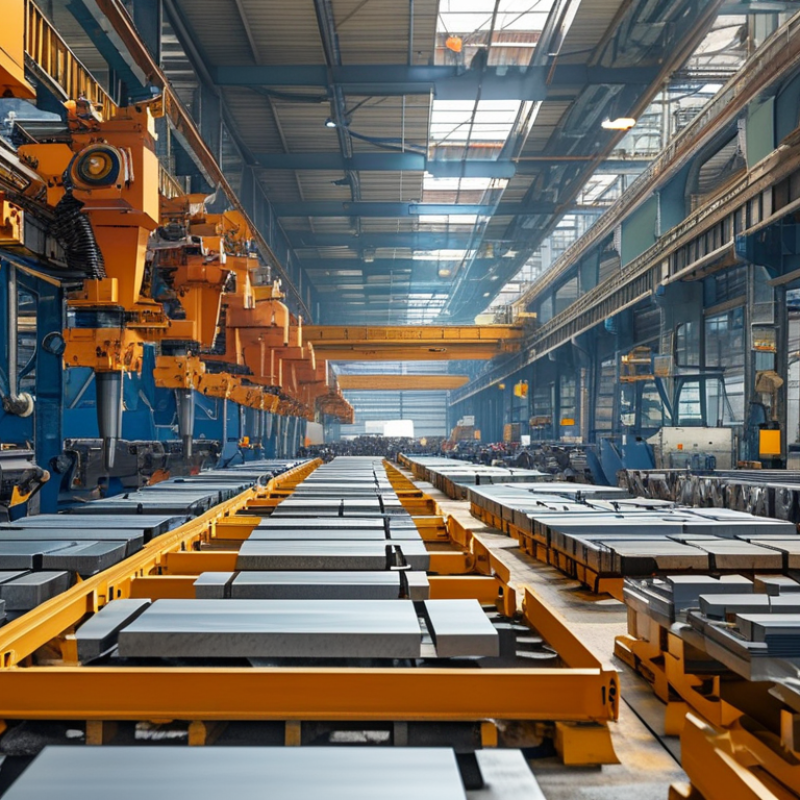
What is Aluminum Machinery and How Can It Benefit Your Business?

Understanding Aluminum Machinery: An Overview

Aluminum machinery plays a significant role in various industries, thanks to its versatility. This type of machinery includes equipment for cutting, shaping, and joining aluminum materials. It serves sectors such as construction, aerospace, and automotive. Using aluminum machinery allows businesses to optimize production processes and improve efficiency.

When companies invest in aluminum machinery, they often seek to enhance product quality. Precision tools can ensure better tolerances and surface finishes. However, initial costs can be high, and maintenance requires skilled technicians. Businesses must consider the trade-offs between investment and returns carefully.

Training employees is crucial for success. Workers must understand how to operate these machines efficiently. This education reduces errors and boosts productivity. Reflecting on training methods can lead to more effective approaches, making operations smoother over time. Balancing modern technology with human expertise remains a challenge but is essential for growth.

Types of Aluminum Machinery and Their Functions

Aluminum machinery plays a crucial role in various industries, enhancing efficiency and productivity. Several types of machinery are designed specifically for working with aluminum. Each type serves a unique function, contributing to the overall production process.

Extrusion machines are vital. They shape aluminum into specific profiles by forcing it through a die. This process requires precise control of temperature and pressure. Fabricators often face challenges in maintaining this precision. Cold saws and band saws, on the other hand, cut aluminum sheets and profiles with accuracy. However, improper blade selection can lead to rough edges, which may need additional finishing work.

CNC machining centers are another category worth noting. They automate the cutting, drilling, and milling processes. These machines can greatly reduce human error, but they also require skilled operators for programming. Investing in high-quality training can mitigate performance issues. Lastly, bending machines are utilized for creating complex shapes. Users often struggle with material springback, which can affect final dimensions. Addressing these challenges can lead to better outcomes and optimized production. Each type of aluminum machinery has its unique benefits, but it also presents specific challenges that businesses must navigate.

Benefits of Using Aluminum Machinery in Manufacturing

Aluminum machinery plays a significant role in modern manufacturing. It enhances efficiency and reduces costs. Reports suggest that companies using aluminum machinery can increase productivity by up to 30%. This substantial boost can be crucial in competitive markets.

The lightweight nature of aluminum machinery enables easier handling and transportation. Manufacturers benefit from lower energy consumption during operations. Recent studies indicate that aluminum components can reduce energy costs by approximately 15%. Moreover, aluminum’s resistance to corrosion extends machinery lifespan, leading to lower maintenance expenses.

However, it's essential to recognize potential challenges. Initial investment in aluminum machinery may be higher. Some businesses struggle to adapt to new technologies. Continuous training and updates are necessary to maximize these benefits. Manufacturers need to evaluate their specific needs before transitioning fully.

Factors to Consider When Selecting Aluminum Machinery

When selecting aluminum machinery, several critical factors play a significant role. First, consider the specific requirements of your business. Are you involved in fabrication, welding, or assembly? Each application demands different machinery features. According to a recent industry report by Grand View Research, the global aluminum machinery market is projected to reach $26 billion by 2027. This indicates a growing trend in demand that necessitates careful selection to stay competitive.

Another essential factor is the machinery's efficiency and energy consumption. A recent study highlighted that businesses can reduce operational costs by up to 20% through investing in energy-efficient aluminum machines. It's crucial to choose machinery that not only meets production targets but also aligns with sustainable practices. Quality also matters. Low-quality machinery can lead to frequent breakdowns, ultimately affecting output. Ensuring your choice comes from reputable sources is vital, but even trusted brands can produce flawed machinery.

Additionally, factor in the ease of maintenance and support services. Machinery that is hard to maintain can result in unexpected downtime. Think about how quickly parts are available as well. A machine that seems robust on the surface might lack the necessary support, leading to operational challenges down the line. Always weigh these aspects against your business goals for a more informed decision.

The Future of Aluminum Machinery in Industry

The future of aluminum machinery is bright, with significant growth anticipated in various industries. According to a recent market report, the aluminum machinery market size is expected to reach $8 billion by 2025, driven by increased demand for lightweight materials in automotive and aerospace sectors. Aluminum's strength-to-weight ratio makes it an ideal choice for manufacturers seeking efficiency and sustainability.

Aluminum machinery plays a pivotal role in achieving faster production rates. Advanced technologies in this field can reduce cycle times by up to 30%. However, the implementation requires skilled personnel to manage these sophisticated tools. Many companies face challenges in workforce training, leading to inefficient production processes. Despite these hurdles, the long-term benefits of automation and precision in aluminum processing can outweigh initial setbacks.

The rise of smart manufacturing further enhances the potential of aluminum machinery. Integration of IoT and AI allows for predictive maintenance, reducing unexpected downtimes. However, not all businesses have adapted to these technologies effectively. A lack of investment in employee training can hinder progress. For companies to keep pace, a focus on ongoing education and technology upgrades is essential. The future is about embracing change while learning from past experiences.

What is Aluminum Machinery and How Can It Benefit Your Business?

This chart illustrates the projected growth in the adoption of aluminum machinery across various industries over the next five years, highlighting the significant benefits it provides to businesses.

Copyright 2025 Fluidra S.A. | Created by BCM Marketing Agencia Privacy Policy Legal note | Cookie policy |

Technical cookies are strictly necessary for our website to work and you can navigate through it. These types of cookies are those that, for example, allow us to identify you, give you access to certain restricted parts of the page if necessary, or remember different options or services already selected by you, such as your privacy preferences. Therefore, they are activated by default, your authorization not being necessary in this regard. Through the configuration of your browser, you can block or alert the presence of this type of cookies, although such blocking will affect the proper functioning of the different functionalities of our website.


The analysis cookies allow us to study the navigation of the users of our website in general (for example, which sections of the page are the most visited, which services are used most and if they work correctly, etc.). From the statistical information on navigation on our website, we can improve both the operation of the page itself and the different services it offers. Therefore, these cookies do not have an advertising purpose, but only serve to make our website work better, adapting to our users in general. By activating them you will contribute to this continuous improvement. You can enable or disable these cookies by checking the corresponding box, being disabled by default.


Functionality cookies allow us to remember your preferences, to personalize certain characteristics and general options of our website, every time you access it (for example, the language in which the information is presented to you, the sections marked as favorites, your browser type, etc.) Therefore, this type of cookies does not have an advertising purpose, but by activating them you will improve the functionality of the website (for example, adapting to your type of browser) and the customization of it based on your preferences (for example, by presenting the information in the language that you have chosen in previous occasions), which will contribute to the ease, usability and comfort of our page during your navigation. You can enable or disable these cookies by checking the corresponding box, being disabled by default.


Advertising cookies allow us to manage the advertising spaces included in our website based on criteria such as the content shown or the frequency in which the ads are displayed. For example, if you have been shown the same ad several times on our website, and you have not shown a personal interest by clicking on it, it will not appear again. In summary, by activating this type of cookies, the advertising shown on our website will be more useful and diverse, and less repetitive. You can enable or disable these cookies by checking the corresponding box, being disabled by default.


Behavioral advertising cookies allow us to obtain information based on the observation of your browsing habits and behaviors on the web, in order to show you advertising content that best suits your personal tastes and interests. To understand it in a very simple way, we will give you a fictitious example: if your last searches on the web were related to suspense literature, we would show you advertising about suspense books. Therefore, activating this type of cookies, the advertising that we show you on our website will not be generic, but will be oriented to your searches, tastes and interests, therefore adjusting exclusively to you. You can enable or disable these cookies by checking the corresponding box, being disabled by default.
To understand it in a very simple way, we will give you a fictitious example: if your last searches on the web were related to suspense literature, we would show you advertising about suspense books. Therefore, activating this type of cookies, the advertising that we show you on our website will not be generic, but will be oriented to your searches, tastes and interests, therefore adjusting exclusively to you. You can enable or disable these cookies by checking the corresponding box, being disabled by default.

SAVE

We use our own and third-party cookies to ensure the proper functioning of the website and to analyse our services, improve your experience on our website and show you advertisements related to your interests according to profiling based on your browsing habits (e.g. websites visited). You can accept all cookies by clicking "ACCEPT" or set or reject them by clicking here. If you would like to know more about the use of cookies, please see our COOKIE POLICY.


ACCEPT ALL
Reject no essentials


