
7 Tips for Choosing a Mobile Chipper Machine?
FLUID HANDLING EXPERTS

Blog, all our news

7 Tips for Choosing a Mobile Chipper Machine?

Choosing a mobile chipper machine requires more than comparing engine power and advertised capacity. The right model must match your worksite, timber size, transport method, and daily production targets. A machine that performs well in a wide forest may struggle on narrow urban streets or uneven ground. Experience in real operations shows that small details often affect uptime, safety, and maintenance costs.

This guide presents seven practical tips for evaluating a mobile chipper machine with greater confidence. It covers feeding capacity, knife and rotor design, engine performance, mobility, operator protection, service access, and total ownership cost. If a supplier uses the term “Moved Chipper Machine,” confirm what it means and ask whether the unit is new, relocated, refurbished, or previously operated. Details matter. Request clear specifications, service records, warranty terms, and demonstrations using wood similar to your material. A clean brochure is not enough.

Measure twice.

Reliable manufacturers should explain rated capacity, fuel consumption, discharge reach, and recommended maintenance intervals. Independent testing standards and local equipment requirements can also support a more informed decision. Still, specifications do not tell the entire story. Operators may overlook access width, noise, vibration, or the time needed to clear a blocked feed chute. I have seen purchasing decisions focus heavily on horsepower, while transport and servicing were treated as afterthoughts. That approach can become expensive. These tips help buyers compare machines realistically, question uncertain claims, and select equipment that remains productive beyond the first few weeks.
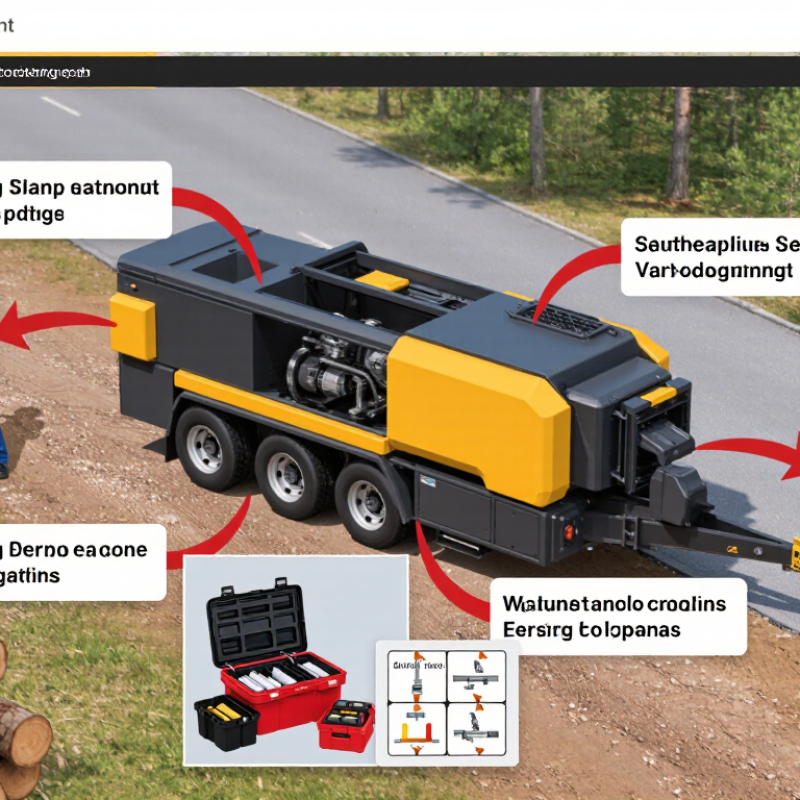
7 Tips for Choosing a Mobile Chipper Machine?

Understand the Main Types and Uses of Mobile Chipper Machines

7 Tips for Choosing a Mobile Chipper Machine?

Understand the Main Types and Uses of Mobile Chipper Machines

Mobile chipper machines turn branches, pruning waste, and small logs into manageable wood chips. Their design affects speed, fuel use, maintenance, and suitable work conditions. Disc chippers use rotating knives and often produce consistent chips from straight branches. They suit roadside pruning, landscaping, and regular green-waste processing. Drum chippers accept more irregular material and can handle mixed branches efficiently. However, they may demand more power and careful knife adjustment.

Towable chippers work well between job sites and usually need a suitable vehicle. Tracked models provide better stability on muddy ground, slopes, or uneven woodland paths. PTO-mounted machines rely on a tractor and may suit farms with existing equipment. Check the manufacturer’s rated feed diameter, because forcing oversized logs can damage the feed system. Also compare engine power with your normal workload, not an occasional maximum.

Experienced operators inspect the feed rollers, emergency stop controls, discharge chute, and access panels before purchase. Noise, dust, chip direction, and storage space also affect daily productivity. A narrow machine may reach a backyard gate, while a larger unit may save time on commercial sites. Electric models can reduce local emissions, but charging access and working hours require honest planning. A common mistake is choosing capacity first and transportability later. I have seen this decision create unnecessary delays, even when the machine itself performed well. Reliable service support, clear manuals, and available wear parts deserve equal attention.

Match Chipper Capacity and Feed Size to Your Workload

Tip 1: Match the chipper’s hourly capacity to your actual workload. A small property cleanup may need only a few cubic meters per hour. Commercial crews require more reserve capacity.

Tip 2: Measure your usual branch diameter, not your largest branch. A machine rated for 150 millimeters may struggle with dense, forked hardwood.

Tip 3: Check the feed opening shape. Width and height both matter when branches are crooked or bundled.

Tip 4: Consider material moisture and species. Fresh pine feeds differently from dry oak, while leafy branches can bridge inside narrow chutes.

Tip 5: Leave capacity headroom. Running at the limit creates more vibration, jams, and operator fatigue. A 20 percent reserve often feels more practical in real work. I once underestimated wet brush volume. That mistake cost time.

Tip 6: Compare feed speed with engine power. Fast rollers are useful only when the engine can maintain cutting performance. Ask for test data under realistic material, not ideal laboratory conditions.

Tip 7: Review transport and setup requirements before choosing a larger machine. Extra capacity means added weight, fuel use, and maneuvering demands. Check towing limits, access paths, and loading height. Inspect the discharge system, emergency controls, and maintenance points personally. Specifications can look convincing. Your worksite may disagree. A short field trial with representative branches reveals more than a brochure. Record jam frequency, fuel consumption, and hourly output before making the final decision.

Choose the Right Power Source and Engine Performance

Choose the Right Power Source and Engine Performance

A mobile chipper’s power source should match the worksite, not just the advertised horsepower. Electric models suit urban projects where low noise and clean operation matter. Battery-powered units can work well, but their runtime may fall sharply during wet, dense jobs. Diesel engines usually provide stronger endurance for remote sites and continuous feeding. However, fuel storage, ventilation, and routine maintenance require careful planning.

Engine performance depends on torque, cooling, and hydraulic response. Horsepower alone can mislead you. A machine may show impressive power but struggle when processing thick, forked branches. Ask for its rated capacity under real operating conditions. Check whether the engine maintains speed when the feed rollers meet heavy wood. Smooth recovery reduces jams and protects the drive system. Watch the temperature gauge during a long trial.

Small details matter.

I once underestimated ground conditions during equipment selection. Moving a powerful chipper across soft soil became slower than expected. Now, I check engine load, tire traction, and access width together. Electric systems need nearby charging access, while fuel engines need dependable refueling. Review service intervals, filter access, and cold-start behavior before purchase. A reliable engine should be easy to inspect beside the trailer, even with gloves on. Choose performance that matches your daily workload, crew skill, and operating environment.

7 Tips for Choosing a Mobile Chipper Machine: Power Source and Engine Performance

Compare the representative continuous power ranges commonly found in mobile chippers. Use the chart together with daily workload, operating location, fuel access, maintenance resources, and required material capacity.

Practical selection tips:
  1. Choose diesel or PTO power for sustained heavy-duty processing.
  2. Consider gasoline engines for lighter work and easier refueling.
  3. Choose electric power where low noise and zero on-site exhaust are priorities.
  4. Match engine output with the machine’s maximum feed diameter.
  5. Allow reserve power to reduce overloads during dense or wet material processing.
  6. Check torque, cooling capacity, and continuous-duty ratings—not horsepower alone.
  7. Compare fuel or electricity availability, service intervals, and total operating cost.

The ranges shown are representative industry ranges for mobile chippers and are intended for preliminary comparison. Actual specifications vary by machine size, feed capacity, duty cycle, and configuration.

Evaluate Mobility, Safety Features, and Operating Convenience

A mobile chipper machine should move confidently before it processes wood. Tip 1: Check tire size, ground clearance, and towing stability on uneven paths. Tip 2: Confirm that the feed opening faces a practical loading direction. I once used a machine that required awkward repositioning near a fence. That small issue slowed the entire crew.

Tip 3: Inspect the emergency stop controls, discharge area, and protective guards. They should be easy to identify, reach, and test before every shift. Tip 4: Look for stable parking supports and reliable brakes. A chipper that shifts during feeding creates unnecessary risk. Tip 5: Ask whether the control layout remains clear when operators wear gloves and hearing protection. Simple controls matter.

Tip 6: Evaluate operating convenience through maintenance access, cleaning space, and tool storage. Daily blade checks should not require excessive dismantling. Tip 7: Review noise, vibration, visibility, and fuel access during a real demonstration. Specifications can look impressive, yet field conditions reveal weaknesses. Keep the operator’s manual nearby and record inspection results. I would also question unclear safety instructions. That hesitation is useful, not inconvenient. A dependable choice supports careful work, predictable movement, and consistent operator awareness.

Compare Maintenance Needs, Durability, and Total Ownership Cost

7 Tips for Choosing a Mobile Chipper Machine

Choosing a mobile chipper machine requires more than checking engine power. The cheapest quote can become expensive after one season. Inspect access panels, grease points, blades, screens, and belt tensioners before purchase. Ask how quickly routine parts can reach your work area. That detail affects downtime more than a glossy specification sheet. Record service intervals and estimate labor hours for a normal month. Keep it practical.

Durability starts with the frame, feed system, and rotor protection. Look for solid welds, guarded moving parts, corrosion-resistant finishes, and replaceable wear components. Test the feed rollers with branches of different diameters, not only clean demonstration material. A machine handling wet, crooked wood may reduce fuel use and repeated clearing. However, heavier construction can increase towing weight and fuel costs. I would compare output claims with real site conditions. Advertised figures often assume ideal material. That is easy to overlook.

Calculate total ownership cost over five years, including purchase, transport, fuel, blades, labor, insurance, and resale value. Add a repair reserve for hydraulic hoses, bearings, and unexpected electrical faults. Have a qualified technician review safety features, maintenance access, warranty terms, and technical support. A clear inspection record improves reliability and supports responsible maintenance decisions. Do not choose maximum capacity if your crew rarely uses it. Unused capability still costs money. My own comparison would include one uncomfortable question: can the team maintain it consistently during the busiest month?

Copyright 2025 Fluidra S.A. | Created by BCM Marketing Agencia Privacy Policy Legal note | Cookie policy |

Technical cookies are strictly necessary for our website to work and you can navigate through it. These types of cookies are those that, for example, allow us to identify you, give you access to certain restricted parts of the page if necessary, or remember different options or services already selected by you, such as your privacy preferences. Therefore, they are activated by default, your authorization not being necessary in this regard. Through the configuration of your browser, you can block or alert the presence of this type of cookies, although such blocking will affect the proper functioning of the different functionalities of our website.


The analysis cookies allow us to study the navigation of the users of our website in general (for example, which sections of the page are the most visited, which services are used most and if they work correctly, etc.). From the statistical information on navigation on our website, we can improve both the operation of the page itself and the different services it offers. Therefore, these cookies do not have an advertising purpose, but only serve to make our website work better, adapting to our users in general. By activating them you will contribute to this continuous improvement. You can enable or disable these cookies by checking the corresponding box, being disabled by default.


Functionality cookies allow us to remember your preferences, to personalize certain characteristics and general options of our website, every time you access it (for example, the language in which the information is presented to you, the sections marked as favorites, your browser type, etc.) Therefore, this type of cookies does not have an advertising purpose, but by activating them you will improve the functionality of the website (for example, adapting to your type of browser) and the customization of it based on your preferences (for example, by presenting the information in the language that you have chosen in previous occasions), which will contribute to the ease, usability and comfort of our page during your navigation. You can enable or disable these cookies by checking the corresponding box, being disabled by default.


Advertising cookies allow us to manage the advertising spaces included in our website based on criteria such as the content shown or the frequency in which the ads are displayed. For example, if you have been shown the same ad several times on our website, and you have not shown a personal interest by clicking on it, it will not appear again. In summary, by activating this type of cookies, the advertising shown on our website will be more useful and diverse, and less repetitive. You can enable or disable these cookies by checking the corresponding box, being disabled by default.


Behavioral advertising cookies allow us to obtain information based on the observation of your browsing habits and behaviors on the web, in order to show you advertising content that best suits your personal tastes and interests. To understand it in a very simple way, we will give you a fictitious example: if your last searches on the web were related to suspense literature, we would show you advertising about suspense books. Therefore, activating this type of cookies, the advertising that we show you on our website will not be generic, but will be oriented to your searches, tastes and interests, therefore adjusting exclusively to you. You can enable or disable these cookies by checking the corresponding box, being disabled by default.
To understand it in a very simple way, we will give you a fictitious example: if your last searches on the web were related to suspense literature, we would show you advertising about suspense books. Therefore, activating this type of cookies, the advertising that we show you on our website will not be generic, but will be oriented to your searches, tastes and interests, therefore adjusting exclusively to you. You can enable or disable these cookies by checking the corresponding box, being disabled by default.

SAVE

We use our own and third-party cookies to ensure the proper functioning of the website and to analyse our services, improve your experience on our website and show you advertisements related to your interests according to profiling based on your browsing habits (e.g. websites visited). You can accept all cookies by clicking "ACCEPT" or set or reject them by clicking here. If you would like to know more about the use of cookies, please see our COOKIE POLICY.


ACCEPT ALL
Reject no essentials


