
7 Tips for Choosing a Gelinshi Stringing Machine?
FLUID HANDLING EXPERTS

Blog, all our news

7 Tips for Choosing a Gelinshi Stringing Machine?

Choosing a Gelinshi Stringing Machine is not just a matter of comparing prices or choosing the model with the most features. The right machine should suit your production volume, string type, workspace, and operators’ experience. A setup that works well for occasional jobs may slow a busy workshop. Small details matter. Consider the frame’s stability, the tensioning system, clamp movement, and how easily settings can be adjusted. These details affect both workflow and consistency.

This guide introduces seven practical points to review before making a decision. Look for clear specifications, accessible maintenance guidance, and support you can verify with the supplier. If possible, ask for a demonstration using the strings and frames you actually handle. A brochure can look convincing. A test tells you more. Check whether tension readings remain consistent across repeated jobs, and notice how much time is spent repositioning clamps or correcting errors. It is also worth asking about replacement parts, warranty terms, and operator training. The answers may vary by model and region, so confirm them in writing rather than relying on assumptions.

No checklist can guarantee a perfect purchase. I would not treat a low price or a long feature list as proof of value; both can distract from daily usability. Even a careful comparison may miss something until the machine is installed. That is worth admitting. Use the tips below to compare options methodically, identify trade-offs, and choose a Gelinshi Stringing Machine that fits your real workload—not just an impressive product description.
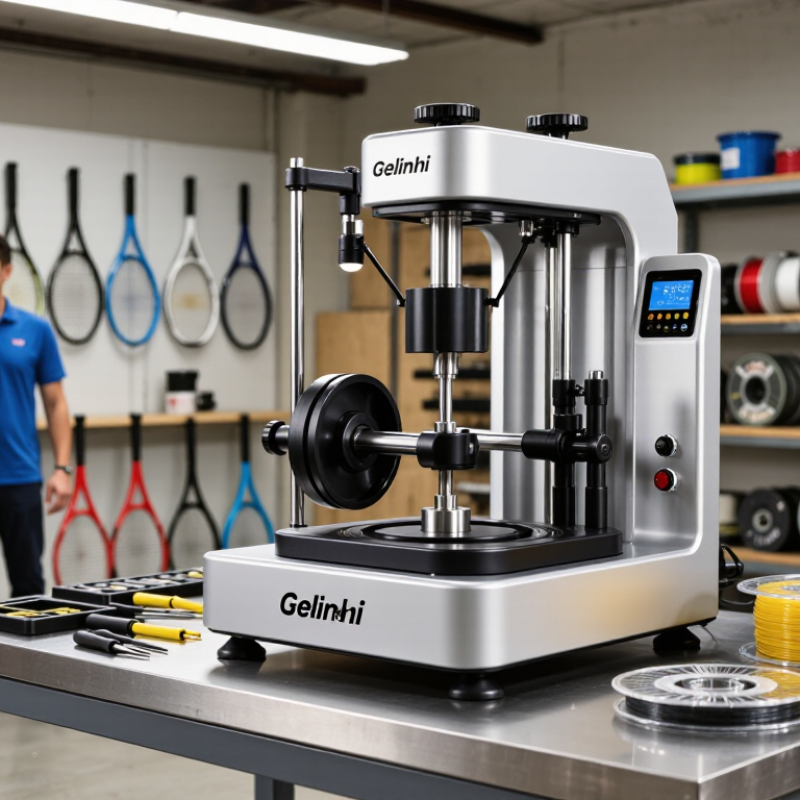
7 Tips for Choosing a Gelinshi Stringing Machine?

Understanding Your Stringing Needs Before Choosing a Gelinshi Machine

Before choosing a stringing machine, define what you actually string and how often. A home user handling two or three racquets each month has different needs from a busy shop working through a queue. Note the racquet types, frame sizes, and string materials you use. Start there. A small log of recent jobs can reveal patterns you might otherwise overlook.

Next, consider the work itself. Do you need adjustable tension for different players, or a simple setup for repeat jobs? Check that the mounting system can hold your frames securely without making adjustments awkward. Look closely at the clamps, tension head, and turntable. Smooth movement matters when you are threading string through tight grommets. So does clear, repeatable tension control. If possible, test the machine with a familiar frame before buying. Specifications help, but they do not show how a clamp feels after an hour.

Your workspace and schedule matter too. Measure the bench, leave room for tools, and think about noise if the machine will sit near a living area. Ask how calibration is checked and whether replacement parts are easy to obtain. A faster machine is not automatically better if setup takes longer than the jobs you do. It is easy to focus on features and miss daily comfort; even experienced users can overlook that. Decide which trade-offs you can live with, then compare machines against your actual workload.

Comparing Gelinshi Machine Types, Features, and Stringing Precision

Choosing a racket stringing machine starts with matching its mechanism to your workload. Manual crank models are usually simpler and portable, but they need close attention during each pull. Electronic constant-pull machines maintain tension as the string stretches, which can help with repeatability during busy sessions. Drop-weight designs offer straightforward operation, though careful leveling matters. No machine removes the need for a consistent technique.

Tip: Test the mounting system before comparing extra features. The supports should hold a frame firmly without squeezing it, and the clamps should grip string without leaving marks. Smooth clamp bases save time, but check that they lock securely. A small amount of clamp movement can affect tension and make your results less consistent.

Precision depends on setup as much as machine type. Check the tension head against a suitable calibration tool, and inspect clamps for wear. Look for clear tension settings, adjustable supports, and parts that are easy to clean or replace. If possible, string a familiar racket and compare the feel with your usual setup. Keep notes on string type, reference tension, and the finished result. I have found that small differences in mounting can matter more than expected; it is easy to blame the machine too quickly.

7 Tips for Choosing a Stringing Machine: Comparing Machine Types, Features, and Stringing Precision

Tip What to Compare Common Options How It Affects Precision Practical Check
1. Match the machine to your workload Expected stringing frequency and available workspace Portable tabletop models; heavier floor-standing models A stable base helps reduce movement during pulling and clamping. Check the machine’s footprint, weight, and mounting requirements.
2. Choose a tension system Ease of use, repeatability, and maintenance needs Drop-weight; lockout crank; electronic constant-pull Drop-weight systems rely on a level bar; crank systems lock at the set tension; constant-pull systems adjust tension as the string stretches. Compare the stated tension range, calibration procedure, and service requirements.
3. Inspect the frame-mount system Support points, adjustment range, and frame access Two-point or six-point mounting systems Secure, correctly adjusted supports help limit frame movement while string tension is applied. Confirm that the supports adjust to the racquet sizes and shapes you string.
4. Compare clamp design Clamp type, adjustment, and string compatibility Fixed clamps; swivel-base clamps; linear clamps Clean, properly adjusted clamp surfaces help hold tension and reduce string slippage or damage. Check that clamps accommodate the string gauges and materials you expect to use.
5. Evaluate tension consistency Calibration, displayed units, and tension-setting controls Mechanical indicators; digital controls; electronic pull systems Regular calibration and consistent technique matter; a display alone does not guarantee accurate tension. Ask how to verify calibration and whether the machine supports the units you use.
6. Check usability and workflow Turntable movement, tool access, and operator comfort Brake or turntable lock; adjustable height on some models; accessible tension head Smooth access and secure positioning make it easier to apply a repeatable stringing method. Check the controls and clamp movement in person, if possible.
7. Consider upkeep and support Replacement parts, cleaning, warranty, and instructions User-serviceable mechanical parts; electronic components requiring qualified service Clean clamps, inspected supports, and maintained calibration help preserve consistent results over time. Review the warranty, parts availability, and recommended maintenance before purchasing.

Specifications and features vary by model. Verify the machine’s manual and published specifications before purchase.

Checking Tension Control, Clamps, and Ease of Operation

When choosing a stringing machine, focus on tension consistency, clamp stability, and how easily you can repeat a setup. The International Tennis Federation’s Rules of Tennis limit racket length to 29 inches and stringing-surface length to 15.5 inches. These dimensions make accurate, even string placement important. They do not, however, tell you whether a machine’s tensioner is reliable. Ask the seller how tension is calibrated and whether it is checked against a reference gauge. A digital display looks precise. It still needs verification.

Tip: Test the clamps with a scrap string. They should hold it without slipping or crushing its surface. Check whether the bases lock firmly and release without a struggle. For tension control, try several pulls at the same setting and compare readings with a calibrated gauge. The United States Racquet Stringers Association’s stringing guidance emphasizes consistent technique and equipment checks; use its resources alongside the machine manual. Small differences matter. I once underestimated how much awkward clamp placement slowed a job.

Tip: Judge ease of operation with a racket mounted, not from product photos. Look for clear adjustment points, accessible clamps, and a turntable that rotates smoothly. If you string often, compare crank and electronic tensioners for workflow and maintenance needs. Record test pulls and note any inconsistency. One test is not enough.

Evaluating Build Quality, Maintenance, Warranty, and Support

A stringing machine should feel stable before it feels impressive. Press gently on the frame and check for flex, loose joints, or uneven feet. Turn the tension knob and watch for smooth, repeatable movement. Small details matter. A clamp that slips during a pull can waste time and produce inconsistent results. Check whether clamps lock firmly and release without sticking. Ask how often the machine needs calibration, and whether basic tools are included. A polished finish is nice, but it cannot replace dependable parts.

Maintenance should fit your routine, not become a project. Look for clear cleaning instructions and accessible replacement parts, especially for clamps, mounting supports, and tension components. Dust and string residue collect quickly around moving parts. Keep a soft cloth nearby. Warranty terms deserve a close read: note the coverage period, excluded wear items, and who handles shipping if repairs are needed. Support matters after the sale. Test it with a specific question about calibration or a replacement part, then judge how clearly and promptly the seller responds. I would not assume every machine stays accurate without checks; even a sturdy unit may need periodic inspection. That’s easy to overlook.

Selecting the Best Gelinshi Machine for Your Budget and Goals

For a tight budget, compare total working cost, not just the purchase price. Clamps, calibration tools, mounting supports, and service access all matter. A manual crank machine may suit home use or a low-volume studio. Electronic tensioning can save time when several racquets arrive together. But automation is not automatically better. If calibration feels difficult, a low upfront price can become an expensive lesson.

Demand should guide your upgrade. The USTA’s 2024 Tennis Participation Report counted 23.8 million U.S. players in 2023, up 1.4 million from 2022. That suggests a broad customer base, not guaranteed local orders. Estimate weekly jobs, expected turnaround, and whether portability matters. Check tension with a calibrated scale, test used clamps for slippage, and confirm the mounting system holds a frame without twisting. Small details matter. Frequent jobs may justify repeatable electronic pulling and quick adjustments; occasional users may prefer simpler mechanics and lower upkeep. Include installation and spare parts in your budget, then test two or three frames before committing. I would not buy on speed claims alone; workload estimates are often optimistic.

Copyright 2025 Fluidra S.A. | Created by BCM Marketing Agencia Privacy Policy Legal note | Cookie policy |

Technical cookies are strictly necessary for our website to work and you can navigate through it. These types of cookies are those that, for example, allow us to identify you, give you access to certain restricted parts of the page if necessary, or remember different options or services already selected by you, such as your privacy preferences. Therefore, they are activated by default, your authorization not being necessary in this regard. Through the configuration of your browser, you can block or alert the presence of this type of cookies, although such blocking will affect the proper functioning of the different functionalities of our website.


The analysis cookies allow us to study the navigation of the users of our website in general (for example, which sections of the page are the most visited, which services are used most and if they work correctly, etc.). From the statistical information on navigation on our website, we can improve both the operation of the page itself and the different services it offers. Therefore, these cookies do not have an advertising purpose, but only serve to make our website work better, adapting to our users in general. By activating them you will contribute to this continuous improvement. You can enable or disable these cookies by checking the corresponding box, being disabled by default.


Functionality cookies allow us to remember your preferences, to personalize certain characteristics and general options of our website, every time you access it (for example, the language in which the information is presented to you, the sections marked as favorites, your browser type, etc.) Therefore, this type of cookies does not have an advertising purpose, but by activating them you will improve the functionality of the website (for example, adapting to your type of browser) and the customization of it based on your preferences (for example, by presenting the information in the language that you have chosen in previous occasions), which will contribute to the ease, usability and comfort of our page during your navigation. You can enable or disable these cookies by checking the corresponding box, being disabled by default.


Advertising cookies allow us to manage the advertising spaces included in our website based on criteria such as the content shown or the frequency in which the ads are displayed. For example, if you have been shown the same ad several times on our website, and you have not shown a personal interest by clicking on it, it will not appear again. In summary, by activating this type of cookies, the advertising shown on our website will be more useful and diverse, and less repetitive. You can enable or disable these cookies by checking the corresponding box, being disabled by default.


Behavioral advertising cookies allow us to obtain information based on the observation of your browsing habits and behaviors on the web, in order to show you advertising content that best suits your personal tastes and interests. To understand it in a very simple way, we will give you a fictitious example: if your last searches on the web were related to suspense literature, we would show you advertising about suspense books. Therefore, activating this type of cookies, the advertising that we show you on our website will not be generic, but will be oriented to your searches, tastes and interests, therefore adjusting exclusively to you. You can enable or disable these cookies by checking the corresponding box, being disabled by default.
To understand it in a very simple way, we will give you a fictitious example: if your last searches on the web were related to suspense literature, we would show you advertising about suspense books. Therefore, activating this type of cookies, the advertising that we show you on our website will not be generic, but will be oriented to your searches, tastes and interests, therefore adjusting exclusively to you. You can enable or disable these cookies by checking the corresponding box, being disabled by default.

SAVE

We use our own and third-party cookies to ensure the proper functioning of the website and to analyse our services, improve your experience on our website and show you advertisements related to your interests according to profiling based on your browsing habits (e.g. websites visited). You can accept all cookies by clicking "ACCEPT" or set or reject them by clicking here. If you would like to know more about the use of cookies, please see our COOKIE POLICY.


ACCEPT ALL
Reject no essentials


