
7 Best Thermal Paper Machines for Sale in 2026
FLUID HANDLING EXPERTS

Blog, all our news

7 Best Thermal Paper Machines for Sale in 2026

Thermal receipts still move through grocery counters, pharmacies, logistics hubs, and self-service kiosks. Behind each sharp barcode is a production line balancing coating consistency, speed, and precise temperature control. Grand View Research estimated the global thermal paper market at about US$4.4 billion in 2023 and forecast a 5.2% compound annual growth rate from 2024 to 2030. That growth points to continued demand, but it does not make every Thermal Paper Machine a sound investment.

This guide reviews seven machines for sale in 2026, focusing on practical differences buyers can verify: working width, production speed, coating systems, energy use, and service support. A narrow-web line may suit specialty labels, while a wider machine can handle high-volume receipt stock. Ask to see coating samples and operating records, not just a polished brochure. Small defects matter. Uneven coating can create pale print, wasted rolls, and complaints at checkout. Vendor specifications also need context; rated speed alone says little about uptime or changeover time. Frankly, buyers sometimes overlook these details. They should not.

The comparisons are intended as a starting point, not a substitute for factory trials or technical due diligence. Match each machine to your paper grades, target output, maintenance capacity, and available floor space. A careful shortlist can reduce costly surprises after installation.
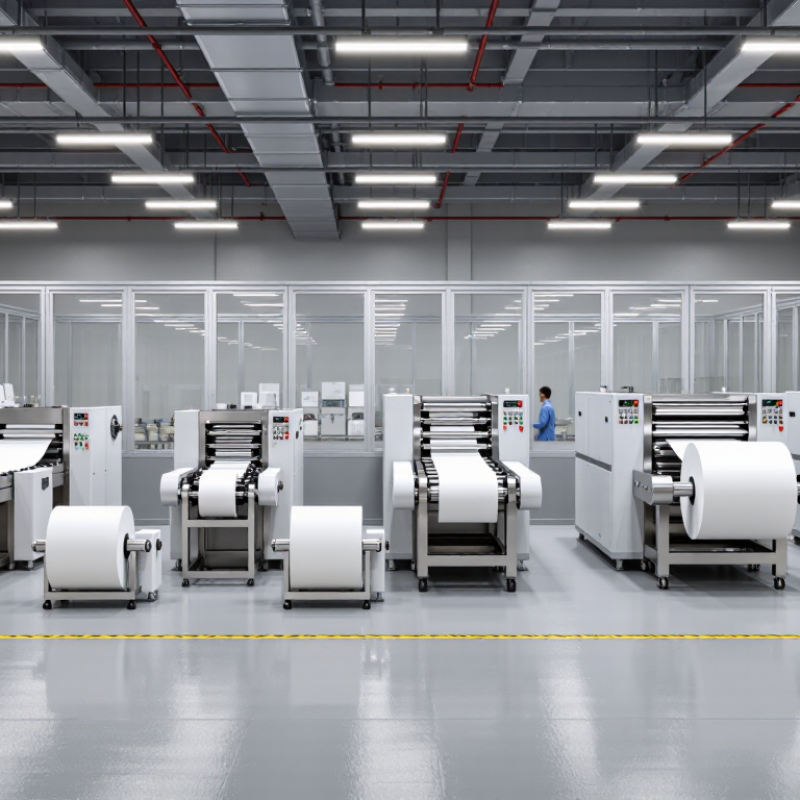
7 Best Thermal Paper Machines for Sale in 2026

Thermal Paper Machine Types and Their Production Roles

Thermal paper production relies on several machine types, each handling a distinct stage. A coating machine applies the heat-sensitive layer and, where required, a protective topcoat. Operators monitor coating weight, dryer temperature, and web tension because small variations can affect image clarity and roll performance. Small details matter. Coating lines also need substantial floor space and careful setup, so their capacity should match realistic production plans.

A slitter-rewinder converts wide parent rolls into narrower rolls for receipt printers or labels. Clean cuts, steady winding tension, and accurate core alignment help prevent loose edges and telescoping rolls. Printing machines can add instructions, logos, or tracking marks, but inks must be compatible with the thermal surface. Sheeting machines produce flat formats for tickets or forms. A faster line is not automatically better. Frequent size changes, excess trim waste, and difficult adjustments can reduce usable output. When comparing machines for sale in 2026, check supported paper widths, finished-roll dimensions, changeover time, and whether a test run can use your own paper. That last step is easy to overlook. It can reveal handling issues that a specification sheet will not.

7 Thermal Paper Machine Types and Their Production Roles

A typical roll-to-roll production sequence, from base-paper feeding to finished-roll packaging.

The bars show each machine’s position in a common production workflow, not its speed or output. Line layouts vary; some operations may be integrated into a single machine.

Key Specifications to Compare Before Buying in 2026

7 Best Thermal Paper Machines for Sale in 2026

Key Specifications to Compare Before Buying in 2026

A machine’s advertised speed is only one part of the decision. Compare usable web width, supported paper thickness, and finished roll diameter. A narrow slitting range may waste material when your orders vary. Check the minimum slit width and how quickly operators can change blade positions. Ask whether stated speeds apply to your actual paper grade, not just ideal test conditions.

Tips: Bring a sample roll and your target core size to a demonstration. Watch the machine run. Check for wandering edges, loose winding, and uneven roll tension. Small details matter.

Confirm unwind and rewind diameter limits, tension controls, and core compatibility before comparing prices. Ask about setup time, operator training, spare blades, and routine maintenance. These affect output after installation. A detailed specification sheet can still leave gaps, so request a written test using your intended paper and roll dimensions. I would also leave room for a little uncertainty: real production speeds can fall below showroom figures, especially during frequent size changes. Check the electrical requirements and available service support at your site before placing an order.

Seven Thermal Paper Machines for Sale in 2026

In 2026, seven thermal paper machines serve different stages of production and converting. A coating machine applies the heat-sensitive layer to base paper. A slitter rewinder cuts jumbo rolls into narrower widths, while a POS roll rewinder forms finished cash-register rolls. These machines are not interchangeable. Check web width, speed, tension control, and the paper grades each unit can handle.

A sheeter cuts thermal paper into flat sheets for ticketing or labels. A flexographic printer adds logos, instructions, or other artwork before rolls are finished. A core cutter trims cardboard tubes to specified lengths, and an inspection machine checks for coating marks, wrinkles, and uneven winding. Small defects matter. Even a faint streak may show clearly on a printed receipt.

When comparing machines for sale, request sample runs using paper close to your intended stock. Ask how operators adjust temperature, blade position, and roll tension, and whether routine cleaning requires special tools. Noise and floor space deserve attention too; they are easy to overlook in a showroom. A detailed specification sheet helps, but it may not reveal setup delays or waste during changeovers. Those details need practical verification.

7 Best Thermal Paper Machines for Sale in 2026

The specifications below are typical planning ranges for industrial equipment, not live quotations or guaranteed specifications for a particular listing. Actual capacity, compatible materials, and configuration vary by manufacturer and order.

No. Machine Type Primary Function Typical Working Range Key Features to Check Best Suited For
1 Thermal Paper Coating Line Applies thermal-sensitive coating and protective layers to base paper. Web width: approximately 1,000–2,500 mm; operating speed: approximately 100–300 m/min. Coating-weight control, drying-zone temperature control, web-tension system, and compatible coating chemistry. Manufacturers producing coated thermal paper from paper base stock.
2 Jumbo Roll Slitter Rewinder Slits large parent rolls into narrower rolls for converting or distribution. Working width: approximately 1,000–2,500 mm; speed: approximately 200–600 m/min; finished roll width depends on setup. Accurate knife positioning, tension control, edge guiding, dust extraction, and automatic roll unloading. Plants converting jumbo thermal paper rolls into smaller production rolls.
3 POS Roll Rewinding Machine Rewinds slit paper into point-of-sale rolls with controlled length and roll diameter. Common roll widths: approximately 57–80 mm; speed: approximately 100–300 m/min. Length measurement accuracy, splice detection, core loading, roll-ejection system, and changeover time. Producers of receipt rolls for retail, hospitality, and payment terminals.
4 Thermal Paper Core Cutter Cuts paper or board core tubes to specified widths for roll winding. Core inside diameters commonly include 12, 17, and 25 mm; cutting capacity depends on tube diameter and wall thickness. Cut-length repeatability, blade guarding, dust collection, and compatibility with core materials. Converting facilities that make their own roll cores or need frequent custom lengths.
5 Flexographic Printing Machine Prints logos, instructions, or promotional information on the reverse side of thermal paper. Print width: approximately 300–1,000 mm; speed: approximately 50–200 m/min, depending on colors and drying needs. Registration accuracy, ink compatibility, drying capacity, anilox-roll selection, and low-tension web handling. Suppliers making branded or customized receipt rolls, without printing on the thermal imaging surface.
6 Roll Wrapping and Packaging Machine Wraps individual rolls or bundles to protect them from dust, moisture, and handling damage. Output commonly ranges from tens to several hundred packs per minute, depending on pack format and roll size. Supported roll dimensions, film or paper packaging options, seal quality, automatic feeding, and format changeover. High-volume converters seeking consistent retail-ready or bulk packaging.
7 Thermal Paper Inspection and Rewinding Machine Checks roll quality and rewinds material while detecting defects or splices. Working width: approximately 300–1,500 mm; speed: approximately 100–400 m/min, depending on inspection system. Defect detection method, splice marking, rewind tension, inspection resolution, and recorded quality data. Operations requiring documented quality checks before converting or shipment.

Comparing Production Capacity, Features, and Operating Costs

7 Best Thermal Paper Machines for Sale in 2026

Compare each machine by usable output, not its headline speed. A coating line handles a different production stage than a slitter-rewinder. Check working width, rated speed, coating-weight control, tension stability, and changeover time. Ask suppliers to show saleable output on your paper grade. A fast line can still waste hours during setup or reject runs. That comparison is imperfect, but useful.

Operating costs include more than electricity: factor in labor, maintenance, compressed air, heat, and coating waste. The U.S. Energy Information Administration reports an average industrial electricity price of 8.14 cents per kilowatt-hour for 2023. At 50 kW and 4,000 operating hours, power alone costs about $16,280 annually. This is a planning estimate, not a guaranteed bill; tariffs and actual machine loads vary. Small differences add up.

Tips: Request a witnessed production trial using your paper stock. Record output, waste, downtime, and energy use. Compare the results with the quoted capacity before choosing a machine.

Choosing a Machine for Your Production Requirements

Choosing a thermal paper machine starts with the roll you need to ship, not the advertised top speed. Define paper width, basis weight, core diameter, roll length, and daily output before comparing equipment. A narrow receipt roll and a wide label-stock jumbo roll place different demands on coating, slitting, and rewinding. The Grand View Research report on the global thermal paper market estimated its 2023 value at USD 4.3 billion and projected 5.2% annual growth from 2024 to 2030. That market outlook makes flexibility useful, but it does not prove every plant needs a faster line.

Match machine capacity to realistic demand, including changeovers and planned maintenance. Check whether coating weight stays even across the web, and ask for trial-roll data on thickness, image response, and edge quality. For a converting line, inspect slitter accuracy and rewind tension; loose rolls can telescope, while excessive tension may deform the core. Small details matter. Compare quoted speed with usable output, not an ideal figure measured under easy conditions. Also assess floor space, operator training, spare-part access, and energy use. A high-capacity machine may look efficient on paper, yet sit idle when orders vary or setup takes too long. That trade-off deserves a second look.

Copyright 2025 Fluidra S.A. | Created by BCM Marketing Agencia Privacy Policy Legal note | Cookie policy |

Technical cookies are strictly necessary for our website to work and you can navigate through it. These types of cookies are those that, for example, allow us to identify you, give you access to certain restricted parts of the page if necessary, or remember different options or services already selected by you, such as your privacy preferences. Therefore, they are activated by default, your authorization not being necessary in this regard. Through the configuration of your browser, you can block or alert the presence of this type of cookies, although such blocking will affect the proper functioning of the different functionalities of our website.


The analysis cookies allow us to study the navigation of the users of our website in general (for example, which sections of the page are the most visited, which services are used most and if they work correctly, etc.). From the statistical information on navigation on our website, we can improve both the operation of the page itself and the different services it offers. Therefore, these cookies do not have an advertising purpose, but only serve to make our website work better, adapting to our users in general. By activating them you will contribute to this continuous improvement. You can enable or disable these cookies by checking the corresponding box, being disabled by default.


Functionality cookies allow us to remember your preferences, to personalize certain characteristics and general options of our website, every time you access it (for example, the language in which the information is presented to you, the sections marked as favorites, your browser type, etc.) Therefore, this type of cookies does not have an advertising purpose, but by activating them you will improve the functionality of the website (for example, adapting to your type of browser) and the customization of it based on your preferences (for example, by presenting the information in the language that you have chosen in previous occasions), which will contribute to the ease, usability and comfort of our page during your navigation. You can enable or disable these cookies by checking the corresponding box, being disabled by default.


Advertising cookies allow us to manage the advertising spaces included in our website based on criteria such as the content shown or the frequency in which the ads are displayed. For example, if you have been shown the same ad several times on our website, and you have not shown a personal interest by clicking on it, it will not appear again. In summary, by activating this type of cookies, the advertising shown on our website will be more useful and diverse, and less repetitive. You can enable or disable these cookies by checking the corresponding box, being disabled by default.


Behavioral advertising cookies allow us to obtain information based on the observation of your browsing habits and behaviors on the web, in order to show you advertising content that best suits your personal tastes and interests. To understand it in a very simple way, we will give you a fictitious example: if your last searches on the web were related to suspense literature, we would show you advertising about suspense books. Therefore, activating this type of cookies, the advertising that we show you on our website will not be generic, but will be oriented to your searches, tastes and interests, therefore adjusting exclusively to you. You can enable or disable these cookies by checking the corresponding box, being disabled by default.
To understand it in a very simple way, we will give you a fictitious example: if your last searches on the web were related to suspense literature, we would show you advertising about suspense books. Therefore, activating this type of cookies, the advertising that we show you on our website will not be generic, but will be oriented to your searches, tastes and interests, therefore adjusting exclusively to you. You can enable or disable these cookies by checking the corresponding box, being disabled by default.

SAVE

We use our own and third-party cookies to ensure the proper functioning of the website and to analyse our services, improve your experience on our website and show you advertisements related to your interests according to profiling based on your browsing habits (e.g. websites visited). You can accept all cookies by clicking "ACCEPT" or set or reject them by clicking here. If you would like to know more about the use of cookies, please see our COOKIE POLICY.


ACCEPT ALL
Reject no essentials


