
7 Best Manual Cutting Machines for Global Buyers?
FLUID HANDLING EXPERTS

Blog, all our news

7 Best Manual Cutting Machines for Global Buyers?

Global buyers are rethinking cutting equipment as production becomes more flexible, localized, and cost-sensitive. Smithers’ The Future of Global Packaging to 2028 projects the worldwide packaging market will approach $1.2 trillion by 2028. That expansion increases demand for practical tools that handle short runs, samples, repairs, and customized orders. A Manual Cutting Machine can fit these tasks without requiring complex software, compressed air, or high electrical capacity.

This guide examines seven leading manual cutting machine types for international purchasing decisions. The comparison considers cutting accuracy, material compatibility, blade durability, working-table size, operator effort, maintenance, and shipping practicality. These details matter when a workshop cuts cardboard sheets at a small bench or trims fabric beside a noisy production line. ITMF industry surveys continue to highlight cost pressure and supply-chain uncertainty across textile manufacturing. Simple equipment can offer resilience, but only when its construction matches the workload.

Safety remains essential. ISO 12100 provides a recognized framework for machinery risk assessment and reduction. Buyers should inspect guards, hand-clearance design, emergency procedures, spare-part access, and supplier documentation before ordering. Regional requirements may also differ. Do not assume one certificate satisfies every market.

Performance claims need caution. A larger lever does not always mean cleaner cuts. A lower price can hide weak bearings, unstable tables, or expensive replacement blades. This review therefore combines manufacturer specifications, practical workshop considerations, and available industry reports. Some conclusions remain judgment-based. That is unavoidable. Real materials, operator habits, and maintenance quality can change the result. The best choice is rarely the most powerful machine. It is the machine that performs consistently, safely, and economically in the buyer’s actual working environment.
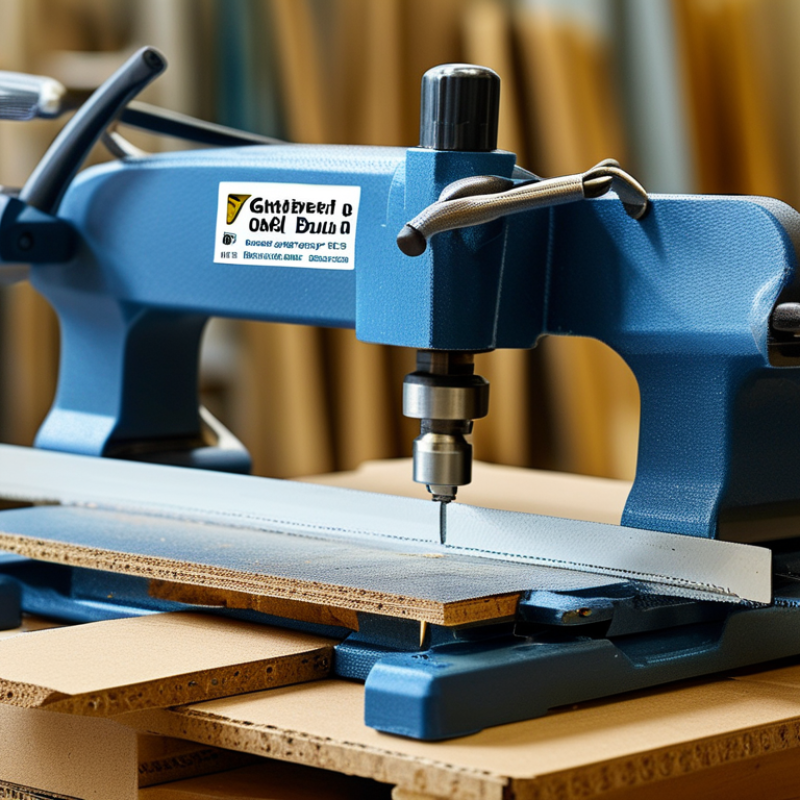
7 Best Manual Cutting Machines for Global Buyers?

What Are Manual Cutting Machines and How Do They Work?

Manual cutting machines use human force to cut, trim, or shape materials without electric motors. Common designs include lever cutters, rotary tools, guillotine cutters, and hand-operated presses. Each model suits different materials, thicknesses, and production volumes.

The operator places material against a guide, then applies pressure through a handle, wheel, or sliding blade. A sharp blade concentrates force along a narrow cutting line. This reduces effort and improves repeatability. For example, a lever cutter can produce clean, straight cuts in paper, fabric, thin plastic, or light sheet material. A rotary cutter works better for curves and layered materials. From practical testing, a firm base and accurate alignment often matter more than cutting speed.

Global buyers should check blade hardness, frame strength, measurement markings, and replacement-part availability. A guarded blade is essential because exposed edges create avoidable injuries. The machine should also match local safety requirements and the user’s working environment. Humidity can cause rust, while dust may affect moving joints. I have found that advertised capacity can feel optimistic, especially with dense or uneven material. Test samples are valuable before placing a large order. Noise is usually low, but hand fatigue can become significant during repeated cuts. That weakness is easy to overlook. A comfortable handle, stable feet, and simple maintenance can improve daily performance.

Which Features Matter When Comparing Manual Cutting Machines?

When comparing the seven best manual cutting machines, focus on measurable performance rather than appearance. Start with maximum cutting thickness, working width, and material compatibility. A machine designed for thin sheet may struggle with dense leather or layered fabric. Check the blade angle, cutting stroke, and adjustment scale. Clear markings reduce setup errors, especially when different operators share one workstation.

Safety deserves equal attention. The U.S. Bureau of Labor Statistics reported 2.6 million nonfatal workplace injuries and illnesses in private industry during 2023. A stable base, guarded cutting area, and controlled return mechanism can reduce avoidable exposure. Look for hand clearance, rounded contact points, and a locking feature during storage. Small details matter. They are easy to overlook.

For international purchasing, compare frame strength, corrosion resistance, spare-part availability, and maintenance instructions. ISO 12100:2010 emphasizes risk assessment and inherently safer machine design, so suppliers should explain foreseeable hazards and protective measures. Test repeatability with ten identical cuts, not one successful sample. Also measure operator effort after an hour of use. I have found that a smooth handle can hide poor alignment. That is a useful warning. A lower price may become expensive when blades, calibration, or replacement parts are difficult to source. Evaluate total ownership cost, documentation quality, and local service capability before choosing.

How to Choose the Right Manual Cutter for Different Materials?

Choosing the right manual cutter starts with the material, not the machine’s appearance. Paper and cardboard need a sharp guillotine blade with a stable measuring fence. Fabric usually benefits from a rotary cutter or a long, smooth blade. For leather, choose controlled cutting pressure and a firm work surface. Thin plastic may require a scoring tool rather than one heavy cut.

Thickness matters greatly. A cutter designed for sheets can struggle with dense foam or layered textiles. Check the stated capacity, then leave a small safety margin. The frame should remain steady during use, with clear measurement marks and an adjustable stop. A guarded blade is important in busy workshops. Keep hands away from the cutting path.

I once chose a compact cutter because it looked efficient. It flexed when cutting thick material. That mistake taught me to test rigidity before judging convenience. Cut a sample from the actual material, not a softer substitute. Inspect the edge for tearing, crushing, or melted plastic. If the cut is uneven, the blade may be dull, the pressure may be excessive, or the material may need support. Maintenance also affects reliability. Clean residue regularly, tighten loose parts, and replace damaged blades according to the maker’s instructions. Cheap operation is not always cheap ownership.

7 Best Manual Cutting Machines for Global Buyers: How to Choose the Right Manual Cutter for Different Materials

Material thickness is one of the most practical factors when selecting a manual cutting machine. The chart below shows representative thicknesses of commonly processed materials and helps match each material with a suitable manual cutting method.

Material Representative Thickness Suitable Manual Cutter
Office paper 0.1 mm Paper guillotine or rotary trimmer
Cardstock 0.3 mm Craft knife, rotary trimmer, or die cutter
Fabric 1.5 mm Rotary cutter or fabric shears
Vinyl flooring 2.5 mm Utility knife or flooring cutter
Corrugated cardboard 3.0 mm Heavy-duty utility knife or lever cutter
Leather 3.0 mm Leather knife, strap cutter, or manual die cutter
Plywood 6.0 mm Hand saw, jigsaw, or manual panel saw
Ceramic tile 8.0 mm Manual tile cutter

For thin flexible materials, prioritize blade sharpness, cutting accuracy, and a stable work surface. For rigid or dense materials, choose a cutter with a reinforced frame, mechanical leverage, and a suitable cutting wheel or blade. The thickness values are representative common material dimensions, so buyers should verify the actual capacity of a specific machine before purchase.

What Are the Seven Best Manual Cutting Machines for Global Buyers?

What are the seven best manual cutting machines for global buyers? The answer depends on material, output, and available workshop space. A manual guillotine paper cutter suits offices, schools, and packaging rooms. It delivers clean, straight cuts through stacked sheets. A rotary paper trimmer works better for photographs, labels, and thin card. Its enclosed blade usually offers better control for small adjustments.

A lever-action shear is practical for thin metal sheets, plastic panels, and craft materials. Buyers should check its maximum cutting thickness carefully. A manual die-cutting press creates repeatable shapes in paper, leather, fabric, and flexible packaging. It needs suitable dies, which can increase the real purchase cost. A fabric rotary cutting machine helps workshops cut layered textiles quickly. Keep the blade sharp. Dull blades create uneven edges and wasted material.

A manual tile cutter is a strong choice for ceramic and some porcelain tiles. A scoring wheel, stable guide rail, and firm base matter more than appearance. A manual pipe cutter supports plumbing and light fabrication tasks, producing controlled cuts on copper, aluminum, or plastic pipe. For global buyers, metric and imperial measurements deserve attention. Spare blades, repair instructions, shipping weight, and local safety requirements also affect long-term value. I would not choose the cheapest model without testing its alignment. That mistake is common. A small sample cut can reveal vibration, rough edges, or an uncomfortable handle before a larger order.

7 Best Manual Cutting Machines for Global Buyers? - What Are the Seven Best Manual Cutting Machines for Global Buyers?
Rank Manual Cutting Machine Type Primary Materials Typical Cutting Capacity Common Cutting Length or Size Typical Accuracy Key Advantages Portability Typical Price Range (USD) Best Use Case for Global Buyers
1 Manual Ceramic and Porcelain Tile Cutter Ceramic tile, porcelain tile, glazed tile Approximately 6–16 mm material thickness 600–1,200 mm cutting length; diagonal cuts commonly supported Typically within 1–2 mm when correctly adjusted Fast scoring and snapping, no electricity required, low operating cost, easy maintenance Portable; commonly 8–25 kg depending on cutting length $80–$450 Residential construction, renovation, flooring installation, and areas with unreliable power supply
2 Manual Guillotine Paper Cutter Paper, cardboard, photographs, labels, thin plastic sheets Usually up to 1–5 mm stacked paper, depending on blade length and design 300–1,300 mm cutting width Approximately 0.5–1 mm with a properly aligned guide Clean straight cuts, high repeatability, strong clamping systems available, no power consumption Tabletop or floor-standing; commonly 5–80 kg $60–$1,200 Print shops, schools, offices, packaging preparation, and small publishing operations
3 Manual Rotary Paper Trimmer Paper, film, photos, vinyl, lightweight card stock Generally 0.5–2 mm per pass, depending on the blade and material 300–1,000 mm cutting length Approximately 0.5–1 mm for properly supported sheets Compact design, safer enclosed blade options, suitable for quick light-duty trimming Highly portable; commonly 1–8 kg $25–$250 Offices, classrooms, craft businesses, sign preparation, and low-volume packaging work
4 Manual Hydraulic Sheet Metal Shear Mild steel, stainless steel, aluminum, copper, and galvanized sheet Approximately 1–3 mm mild steel, subject to blade width and lever design 300–1,300 mm cutting width Approximately 0.5–1 mm for short and properly supported cuts High cutting force without electricity, durable construction, suitable for workshop fabrication Floor or bench mounted; commonly 40–180 kg $450–$2,500 Metal workshops, HVAC fabrication, maintenance departments, and small-scale manufacturing
5 Manual Pipe and Tube Cutter Copper, brass, aluminum, stainless steel, and mild-steel pipe Commonly 6–115 mm outside diameter, depending on cutter configuration Suitable for round tubes and pipes; larger models support industrial diameters Typically produces a square cut with limited burr formation Compact, precise for round stock, inexpensive to operate, and useful for field service Highly portable; commonly 0.3–12 kg $15–$350 Plumbing, refrigeration, automotive repair, installation work, and maintenance operations
6 Manual Rebar and Steel Rod Cutter Carbon-steel reinforcing bar, steel rod, and small round bar Typically 8–16 mm rebar for compact lever models; heavier designs may reach about 20–32 mm Designed for single-bar cuts rather than continuous production Cut length depends mainly on the operator's measuring and positioning method Strong mechanical leverage, no fuel or electricity, suitable for construction sites Portable or bench mounted; commonly 8–35 kg $90–$600 Construction sites, concrete reinforcement preparation, fencing, and emergency repair work
7 Manual Lever-Action Metal Nibbler Mild steel, aluminum, galvanized sheet, and thin stainless steel Usually up to 1.0–1.5 mm mild steel and up to about 1.5–2.0 mm aluminum Suitable for straight, curved, and irregular profiles; typical throat depth 40–80 mm Good control for layout-based cutting; edge finish depends on operator technique Creates narrow kerf, produces less sheet distortion than shearing, and works without electricity Highly portable; commonly 1–6 kg $30–$180 Sheet-metal repair, ductwork, vehicle bodywork, roofing, and custom fabrication

Note: Capacity, accuracy, weight, and price ranges are typical market figures for manually operated equipment and vary according to construction quality, cutting length, material grade, accessories, and local import costs. Always verify the product specification, safety certification, spare-parts availability, and after-sales support before purchasing.

How to Use and Maintain a Manual Cutting Machine Safely?

Using a manual cutting machine safely begins with a controlled work area. Place it on a stable, level surface with enough room for long materials. Check the blade, handle, guards, clamps, and fasteners before every job. Do not use the machine if any part feels loose or damaged.

Wear close-fitting gloves only when they do not reduce grip or increase entanglement risk. Safety glasses protect against small chips and fragments. Keep fingers behind the marked safety line, and secure the material firmly before cutting. Apply steady pressure instead of forcing the handle. Keep it dry. Stop when unsure.

Maintenance should follow the machine’s instructions and the material being cut. Remove dust and scraps after use with a brush, not bare hands. Wipe metal surfaces dry, then apply approved lubricant to specified joints. Inspect the blade for dull edges, cracks, or uneven teeth. A dull blade often causes more force and poorer control. Replace or sharpen it through a qualified technician when required.

One step operators often underestimate is checking alignment after repeated use. A small shift can produce angled cuts and extra stress. Test the machine on scrap material before valuable work. Keep a simple maintenance record with dates, defects, and repairs. Perfect routines are difficult in busy workshops, but skipping inspections creates avoidable risks. Never improvise with homemade guards or unsuitable replacement parts. Follow the manufacturer’s safety guidance and local workplace requirements.

Copyright 2025 Fluidra S.A. | Created by BCM Marketing Agencia Privacy Policy Legal note | Cookie policy |

Technical cookies are strictly necessary for our website to work and you can navigate through it. These types of cookies are those that, for example, allow us to identify you, give you access to certain restricted parts of the page if necessary, or remember different options or services already selected by you, such as your privacy preferences. Therefore, they are activated by default, your authorization not being necessary in this regard. Through the configuration of your browser, you can block or alert the presence of this type of cookies, although such blocking will affect the proper functioning of the different functionalities of our website.


The analysis cookies allow us to study the navigation of the users of our website in general (for example, which sections of the page are the most visited, which services are used most and if they work correctly, etc.). From the statistical information on navigation on our website, we can improve both the operation of the page itself and the different services it offers. Therefore, these cookies do not have an advertising purpose, but only serve to make our website work better, adapting to our users in general. By activating them you will contribute to this continuous improvement. You can enable or disable these cookies by checking the corresponding box, being disabled by default.


Functionality cookies allow us to remember your preferences, to personalize certain characteristics and general options of our website, every time you access it (for example, the language in which the information is presented to you, the sections marked as favorites, your browser type, etc.) Therefore, this type of cookies does not have an advertising purpose, but by activating them you will improve the functionality of the website (for example, adapting to your type of browser) and the customization of it based on your preferences (for example, by presenting the information in the language that you have chosen in previous occasions), which will contribute to the ease, usability and comfort of our page during your navigation. You can enable or disable these cookies by checking the corresponding box, being disabled by default.


Advertising cookies allow us to manage the advertising spaces included in our website based on criteria such as the content shown or the frequency in which the ads are displayed. For example, if you have been shown the same ad several times on our website, and you have not shown a personal interest by clicking on it, it will not appear again. In summary, by activating this type of cookies, the advertising shown on our website will be more useful and diverse, and less repetitive. You can enable or disable these cookies by checking the corresponding box, being disabled by default.


Behavioral advertising cookies allow us to obtain information based on the observation of your browsing habits and behaviors on the web, in order to show you advertising content that best suits your personal tastes and interests. To understand it in a very simple way, we will give you a fictitious example: if your last searches on the web were related to suspense literature, we would show you advertising about suspense books. Therefore, activating this type of cookies, the advertising that we show you on our website will not be generic, but will be oriented to your searches, tastes and interests, therefore adjusting exclusively to you. You can enable or disable these cookies by checking the corresponding box, being disabled by default.
To understand it in a very simple way, we will give you a fictitious example: if your last searches on the web were related to suspense literature, we would show you advertising about suspense books. Therefore, activating this type of cookies, the advertising that we show you on our website will not be generic, but will be oriented to your searches, tastes and interests, therefore adjusting exclusively to you. You can enable or disable these cookies by checking the corresponding box, being disabled by default.

SAVE

We use our own and third-party cookies to ensure the proper functioning of the website and to analyse our services, improve your experience on our website and show you advertisements related to your interests according to profiling based on your browsing habits (e.g. websites visited). You can accept all cookies by clicking "ACCEPT" or set or reject them by clicking here. If you would like to know more about the use of cookies, please see our COOKIE POLICY.


ACCEPT ALL
Reject no essentials


