
7 Best Heat Resisting Waterproof Rubber Tapes
FLUID HANDLING EXPERTS

Blog, all our news

7 Best Heat Resisting Waterproof Rubber Tapes

Choosing the right Heat Resisting Waterproof Rubber Tape requires more than reading a temperature rating. Real performance depends on adhesion, surface condition, moisture exposure, and repeated heating cycles. A tape may resist high heat in a laboratory, yet fail on a dusty pipe or vibrating outdoor connection.

This guide examines seven practical options for demanding repair and sealing work. Each selection is considered through measurable factors, including temperature tolerance, waterproofing strength, flexibility, thickness, stretch, and resistance to aging. We also consider how easily the tape wraps around uneven joints, sharp bends, and narrow fittings. Small details matter.

A reliable tape should form a tight, continuous seal without cracking or lifting at the edges. Application experience shows that clean, dry surfaces usually produce better results. However, preparation cannot fix every weakness. Some tapes feel strong at first but lose tension after several days in sunlight. Others seal well in rain but become difficult to remove later.

Performance also varies with the material being repaired. Rubber, metal, plastic, and painted surfaces can respond differently. Manufacturer data remains important, but field conditions deserve equal attention. Temperature readings may not reflect sudden heat spikes or constant vibration. That is where many comparisons become less certain.

The following choices are not presented as universal solutions. They are practical candidates for different environments, budgets, and repair priorities. Careful testing is still wise. A short trial can reveal more than a confident label.
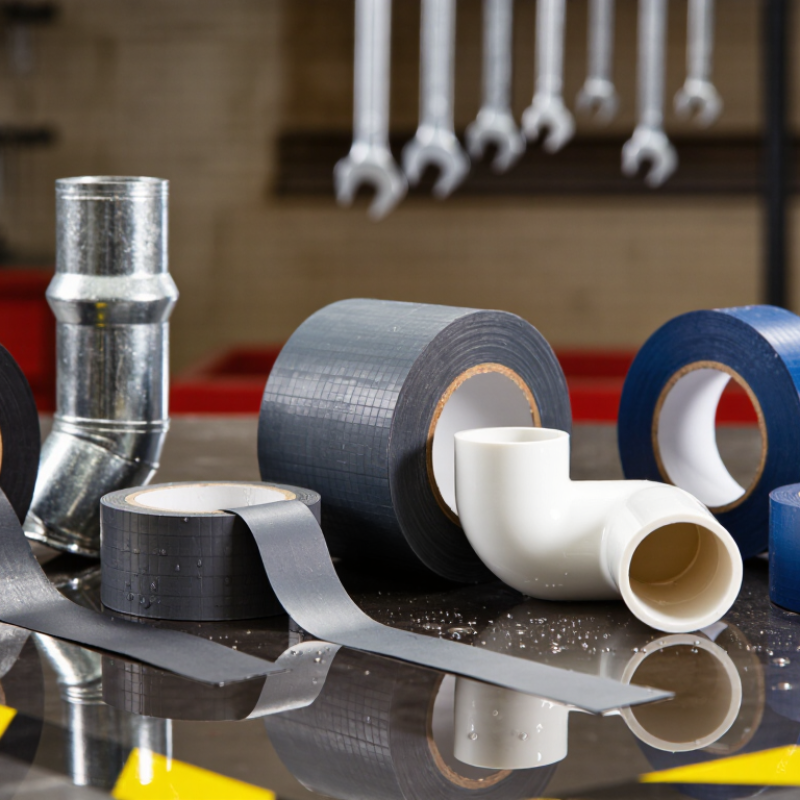
7 Best Heat Resisting Waterproof Rubber Tapes

Heat-Resistant Waterproof Rubber Tape: ASTM and IEC Performance Criteria

Choosing among the 7 best heat-resisting waterproof rubber tapes requires more than reading the temperature label. ASTM and IEC criteria offer a clearer comparison.

ASTM D1000 commonly guides testing for pressure-sensitive electrical tapes, including adhesion, tensile strength, elongation, and dielectric performance. Test conditions matter.

IEC 60454 evaluates pressure-sensitive adhesive tapes for electrical use. Relevant checks may include insulation resistance, breakdown voltage, adhesion, and dimensional stability. Heat aging is important. A tape rated for brief exposure may fail during continuous heating near a motor, pipe, or cable joint. Waterproof claims should also be examined through water immersion, humidity, and seal integrity tests.

Look for documented test temperatures, exposure time, and substrate details. A rubber tape should stretch evenly around a damp cable, bond without lifting, and maintain insulation after aging. Small gaps can become water paths. This is often missed.

Field inspection adds useful evidence. Clean the surface, overlap each wrap, and press the final layer firmly. Then check for edge lifting after heat and moisture exposure. I have seen strong tapes fail because installers stretched them unevenly. A higher rating does not guarantee better performance in every installation. Select the tape according to heat, voltage, moisture, movement, and expected service life. Record the test report, not just the marketing claim.

Seven Tape Types Compared: Silicone, EPDM, Butyl, PVC, Nitrile, FKM, and Fabric

Choosing the best heat-resistant waterproof tape depends on temperature, movement, chemicals, and surface condition. There is no universal winner. Silicone tape handles high heat and stretches around irregular joints, making it useful for emergency hose repairs. EPDM tape resists sunlight, moisture, and weathering, but it performs poorly with petroleum oils. Butyl tape stays soft and seals gaps well. It suits roofs, ducts, and low-pressure joints, though it may creep in hot conditions.

PVC tape is practical for electrical insulation and light moisture protection. It is easy to tear, but prolonged heat can soften the adhesive. Nitrile tape works better around oils and fuels, although its outdoor aging resistance is limited. FKM tape offers excellent resistance to heat, solvents, and aggressive fluids. Its higher cost and lower flexibility can matter during installation. Fabric tape provides strong reinforcement and grip, but its woven surface is not automatically waterproof. A coating or separate seal may be necessary.

Tips: Clean the surface with a suitable solvent, then let it dry completely. Test a small section first. Overlap each wrap by half its width, and stretch self-fusing tape evenly. Avoid stretching adhesive-backed PVC or butyl tape too tightly. Check the technical data sheet for continuous temperature, pressure, and fluid compatibility. In field repairs, I have seen excellent tape fail because moisture remained under the first wrap. Ratings also vary between constructions, so generic material names deserve careful verification.

Silicone and EPDM Tapes: 200–260°C Ratings and Weather Resistance

Heat-resistant waterproof rubber tapes are not interchangeable. The strongest seven options usually include self-fusing silicone, adhesive-backed silicone, reinforced silicone, high-temperature EPDM, fabric-backed EPDM, repair-grade silicone, and weather-sealing EPDM. Silicone is the safer choice near 200–260°C. It remains flexible around hot pipes, engine compartments, and electrical insulation. Some products withstand 260°C briefly, but continuous ratings are often lower.

EPDM offers excellent resistance to sunlight, rain, ozone, and temperature changes. It works well on outdoor cable joints, roof flashing, and exposed plumbing. However, standard EPDM usually handles much lower temperatures than silicone. A product claiming 200°C performance needs careful review. Check whether that figure applies continuously or only during short exposure. I have seen tapes fail when users trusted the highest printed number.

Surface preparation matters more than many buyers expect. Remove oil, dust, and loose rust before wrapping. Stretch self-fusing silicone evenly, then overlap each turn by half its width. Avoid sharp edges that can cut the tape. For outdoor repairs, inspect the seal after heavy rain and freezing weather. Heat ratings come from controlled tests, not every real installation. That detail is easy to miss. Select the tape according to temperature, movement, pressure, and sunlight exposure, not temperature alone.

Butyl, PVC, and Nitrile Tapes: Moisture Sealing and ASTM D1000 Data

Heat resistance and waterproofing are not the same performance claim. The seven best tape choices usually include butyl, PVC, nitrile, silicone, EPDM, acrylic, and foil-backed rubber tapes. Butyl tape remains a strong moisture-sealing option because it stays pliable and fills small surface gaps. PVC tape offers clean handling and reliable electrical insulation. Nitrile tape performs better around oils, fuels, and moderate heat. Silicone self-fusing tape handles temperature changes, but its surface must be clean and dry.

ASTM D1000 is a useful comparison point for pressure-sensitive tapes. Test reports commonly list backing thickness, tensile strength, elongation, and adhesion to steel. These values matter in different ways. Higher adhesion does not automatically mean better waterproofing. A tape with strong peel adhesion may still fail when water enters through an unsealed edge. In field work, I check the tape after heating, stretching, and simulated rain. That practical step can expose weaknesses that laboratory numbers miss. ASTM D1000 data should support judgment, not replace it.

Tips: Match the tape to the exposure. Choose butyl for joints and irregular seams. Use PVC for protected electrical wrapping. Consider nitrile near oily equipment. Apply overlapping layers with firm pressure, especially at corners. Avoid stretching butyl excessively. It may look neat at installation, then shrink or split later. Record temperature, substrate type, and adhesion results during testing. Small details matter.

FKM and Fabric Tapes: Chemical Resistance, Dielectric Strength, and Installation Limits

7 Best Heat Resisting Waterproof Rubber Tapes

Choosing the best heat resisting waterproof rubber tape requires more than checking its temperature rating. FKM tape suits areas exposed to oils, fuels, solvents, and aggressive chemicals. Its rubber structure remains stable across demanding service conditions. However, FKM may feel less flexible during cold-weather installation. That limitation matters around tight bends and irregular fittings.

Fabric tapes offer a different balance. Their woven reinforcement improves tear resistance and handling strength. They can protect hoses, cable jackets, and pipe joints from abrasion and moisture. Yet fabric backing does not automatically provide strong dielectric insulation. Always review dielectric strength test data, thickness, and test conditions. A high voltage figure can mislead when the tape contains gaps or stretches during wrapping.

Installation quality often decides performance. Clean the surface, remove grease, and apply steady tension. Overstretching may thin the adhesive layer and reduce waterproofing. Uneven overlaps can create channels for water. I have found that a tape performing well in a laboratory may fail on a dusty, vibrating joint. That is not always a product fault. Temperature, surface energy, chemical exposure, and curing time can change the result. Check the service temperature, chemical compatibility, voltage limits, and removal method before selecting among seven tape types. Some choices look excellent on paper, but the real installation may prove otherwise.

Copyright 2025 Fluidra S.A. | Created by BCM Marketing Agencia Privacy Policy Legal note | Cookie policy |

Technical cookies are strictly necessary for our website to work and you can navigate through it. These types of cookies are those that, for example, allow us to identify you, give you access to certain restricted parts of the page if necessary, or remember different options or services already selected by you, such as your privacy preferences. Therefore, they are activated by default, your authorization not being necessary in this regard. Through the configuration of your browser, you can block or alert the presence of this type of cookies, although such blocking will affect the proper functioning of the different functionalities of our website.


The analysis cookies allow us to study the navigation of the users of our website in general (for example, which sections of the page are the most visited, which services are used most and if they work correctly, etc.). From the statistical information on navigation on our website, we can improve both the operation of the page itself and the different services it offers. Therefore, these cookies do not have an advertising purpose, but only serve to make our website work better, adapting to our users in general. By activating them you will contribute to this continuous improvement. You can enable or disable these cookies by checking the corresponding box, being disabled by default.


Functionality cookies allow us to remember your preferences, to personalize certain characteristics and general options of our website, every time you access it (for example, the language in which the information is presented to you, the sections marked as favorites, your browser type, etc.) Therefore, this type of cookies does not have an advertising purpose, but by activating them you will improve the functionality of the website (for example, adapting to your type of browser) and the customization of it based on your preferences (for example, by presenting the information in the language that you have chosen in previous occasions), which will contribute to the ease, usability and comfort of our page during your navigation. You can enable or disable these cookies by checking the corresponding box, being disabled by default.


Advertising cookies allow us to manage the advertising spaces included in our website based on criteria such as the content shown or the frequency in which the ads are displayed. For example, if you have been shown the same ad several times on our website, and you have not shown a personal interest by clicking on it, it will not appear again. In summary, by activating this type of cookies, the advertising shown on our website will be more useful and diverse, and less repetitive. You can enable or disable these cookies by checking the corresponding box, being disabled by default.


Behavioral advertising cookies allow us to obtain information based on the observation of your browsing habits and behaviors on the web, in order to show you advertising content that best suits your personal tastes and interests. To understand it in a very simple way, we will give you a fictitious example: if your last searches on the web were related to suspense literature, we would show you advertising about suspense books. Therefore, activating this type of cookies, the advertising that we show you on our website will not be generic, but will be oriented to your searches, tastes and interests, therefore adjusting exclusively to you. You can enable or disable these cookies by checking the corresponding box, being disabled by default.
To understand it in a very simple way, we will give you a fictitious example: if your last searches on the web were related to suspense literature, we would show you advertising about suspense books. Therefore, activating this type of cookies, the advertising that we show you on our website will not be generic, but will be oriented to your searches, tastes and interests, therefore adjusting exclusively to you. You can enable or disable these cookies by checking the corresponding box, being disabled by default.

SAVE

We use our own and third-party cookies to ensure the proper functioning of the website and to analyse our services, improve your experience on our website and show you advertisements related to your interests according to profiling based on your browsing habits (e.g. websites visited). You can accept all cookies by clicking "ACCEPT" or set or reject them by clicking here. If you would like to know more about the use of cookies, please see our COOKIE POLICY.


ACCEPT ALL
Reject no essentials


