
3D Wheel Aligner Tips for Optimal Vehicle Performance?
FLUID HANDLING EXPERTS

Blog, all our news

3D Wheel Aligner Tips for Optimal Vehicle Performance?

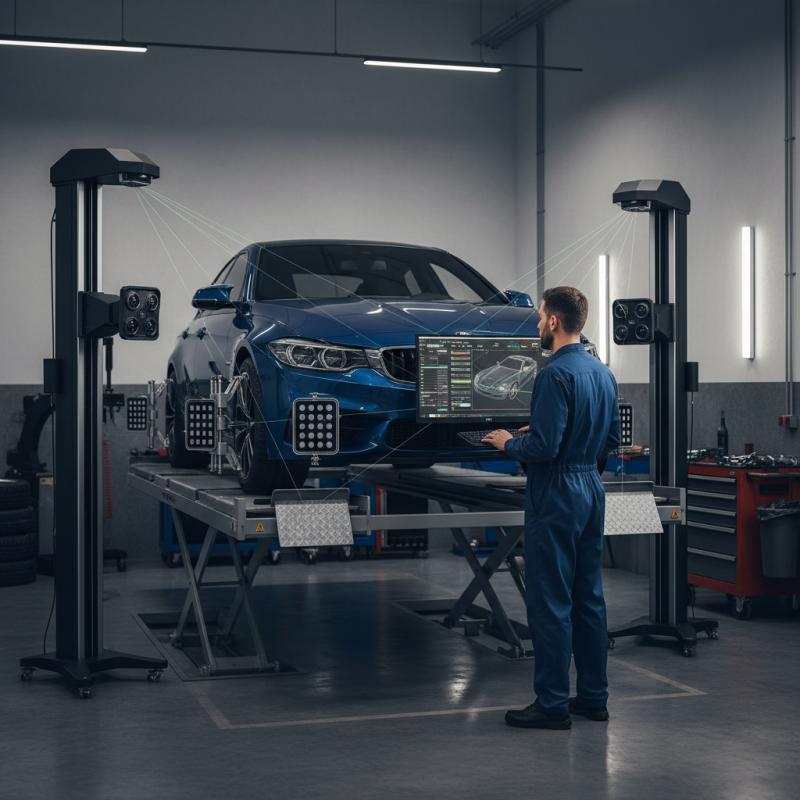
In the world of automotive maintenance, achieving optimal vehicle performance is essential. One of the key aspects to focus on is the alignment of wheels. A precise alignment is crucial for safety, tire longevity, and overall handling. The 3D Wheel Aligner has emerged as a vital tool in this process. This technology provides accurate readings and adjustments, ensuring your vehicle drives smoothly.

Using a 3D Wheel Aligner isn't just about accuracy. It also requires skill and knowledge. Technicians must understand both the technology and the vehicle's dynamics. Each vehicle has its quirks. A one-size-fits-all approach may not work here. Even with advanced tools, human insight is invaluable. It's important to reflect on past alignment practices. Mistakes can lead to uneven tire wear or adverse driving experiences.

Proper usage of a 3D Wheel Aligner can enhance performance significantly. But achieving the best results relies on multiple factors. Regular checks, maintenance habits, and understanding your vehicle's needs are all part of the equation. The journey toward improved vehicle performance is ongoing and requires attention to detail.
3D Wheel Aligner Tips for Optimal Vehicle Performance?

Understanding the Importance of 3D Wheel Alignment in Vehicles

3D wheel alignment is crucial for maintaining optimal vehicle performance. Proper alignment ensures that all four wheels are pointing in the right direction. Misalignment can lead to uneven tire wear, affecting handling and safety. When wheels are out of alignment, the car may pull to one side. This is not only annoying but dangerous for drivers.

Understanding the significance of 3D wheel alignment is essential. It helps in prolonging the lifespan of tires. Regular alignment checks can save money in the long run. However, many vehicle owners overlook this essential service. Some think alignments are only needed if they notice issues. This misconception can lead to bigger problems down the road. It’s advisable to get an alignment after hitting potholes or curbs, as these can throw your wheels out of sync.

Using advanced technology, 3D wheel alignment provides accurate measurements. This precision helps in correcting angles for each wheel. However, this technology is only as good as the technician performing the alignment. Experience and skills matter, and not all shops uphold the same standards. Drivers should seek knowledgeable professionals who prioritize quality service. Regular maintenance and attention to wheel alignment can significantly enhance your vehicle's overall performance.

Key Components of a 3D Wheel Alignment System

In a 3D wheel alignment system, precision is essential for optimal vehicle performance. The core components include advanced imaging technology, sensors, and a computer interface. These elements work together to capture the angles of each wheel. Proper alignment minimizes tire wear and improves handling.

The imaging technology typically employs high-resolution cameras that track wheel positions. Sensors measure critical angles, including camber, toe, and caster. This data is analyzed by a computer system that provides real-time feedback. Regular calibration of these components is vital. Neglecting this can lead to inaccurate readings and subpar performance.

Even with advanced systems, human error can occur. Technicians may misinterpret data or overlook necessary adjustments. Continuous training and experience help mitigate these pitfalls. Ensuring all components are functioning correctly is necessary for reliable results. Ultimately, maintaining a well-aligned vehicle enhances safety and efficiency on the road.

3D Wheel Aligner System Performance Insights

Step-by-Step Process for Performing 3D Wheel Alignment

Performing a 3D wheel alignment requires careful attention to detail. Begin by ensuring the vehicle is on a level surface. Check tire pressures to guarantee they are at recommended levels. Confirm that the suspension components are in good condition. Any worn parts can affect alignment results. This preparation sets the stage for accuracy.

Next, position the 3D alignment equipment around the vehicle. Use the system’s cameras to take initial measurements. Evaluate the readings carefully. If the angles are not within specifications, adjustments are needed. Make incremental changes to the alignment and test again. This process often requires patience, as small tweaks can make significant differences in performance.

After securing optimal angles, take the car for a test drive. Listen for any unusual noises or handling issues. It's valuable to assess how the vehicle feels on the road. A misaligned car may still perform adequately but could lead to uneven tire wear. Document any findings, as this will assist in future maintenance. Regular reflection on the alignment process can enhance skills over time.

Common Problems and Solutions in 3D Wheel Alignment

3D wheel alignment is essential for vehicle performance. However, it can lead to several problems if not done correctly. One common issue is incorrect camber settings. This can cause uneven tire wear and affect handling. If drivers notice their vehicle pulling to one side, it's a sign that camber might be off. Regular checks can prevent this problem.

Another frequent issue is toe misalignment. This occurs when the wheels point inward or outward too much. It can lead to tire degradation and poor fuel efficiency. A simple way to check for this is to look for a feathered edge on tires. If the edges feel uneven, it’s time for a realignment.

Even with advanced technology, human error can still happen. Technicians may overlook adjustments in certain vehicles. This highlights the importance of choosing a qualified service center. Regular maintenance can help avoid these pitfalls. Investing time and resources into wheel alignment pays off in vehicle longevity and performance.

Tips for Maintaining Optimal Vehicle Performance Post-Alignment

Maintaining optimal vehicle performance after a wheel alignment is crucial for long-term efficiency and safety. According to the Tire Industry Association, properly aligned wheels can improve tire life by up to 30%. However, alignment is just the beginning of vehicle maintenance.

To keep your vehicle running smoothly, regularly inspect your tire pressure. Under-inflated tires can cause uneven wear. It’s advisable to check the pressure at least once a month. Additionally, rotating your tires every 5,000 to 7,000 miles can help maintain even wear across the tread surface.

Another essential aspect is suspension maintenance. Your vehicle’s suspension system absorbs shocks and helps maintain wheel alignment. If you notice unusual noises or a rough ride, have your suspension checked by a professional. Ignoring these signs can lead to more significant issues down the road.

Also, tracking your alignment settings is valuable. If your vehicle pulls to one side, you may need another alignment. Frequent misalignment can indicate problems elsewhere in the suspension or steering system. Regular checks can save you time and money in the long run.

Copyright 2025 Fluidra S.A. | Created by BCM Marketing Agencia Privacy Policy Legal note | Cookie policy |

Technical cookies are strictly necessary for our website to work and you can navigate through it. These types of cookies are those that, for example, allow us to identify you, give you access to certain restricted parts of the page if necessary, or remember different options or services already selected by you, such as your privacy preferences. Therefore, they are activated by default, your authorization not being necessary in this regard. Through the configuration of your browser, you can block or alert the presence of this type of cookies, although such blocking will affect the proper functioning of the different functionalities of our website.


The analysis cookies allow us to study the navigation of the users of our website in general (for example, which sections of the page are the most visited, which services are used most and if they work correctly, etc.). From the statistical information on navigation on our website, we can improve both the operation of the page itself and the different services it offers. Therefore, these cookies do not have an advertising purpose, but only serve to make our website work better, adapting to our users in general. By activating them you will contribute to this continuous improvement. You can enable or disable these cookies by checking the corresponding box, being disabled by default.


Functionality cookies allow us to remember your preferences, to personalize certain characteristics and general options of our website, every time you access it (for example, the language in which the information is presented to you, the sections marked as favorites, your browser type, etc.) Therefore, this type of cookies does not have an advertising purpose, but by activating them you will improve the functionality of the website (for example, adapting to your type of browser) and the customization of it based on your preferences (for example, by presenting the information in the language that you have chosen in previous occasions), which will contribute to the ease, usability and comfort of our page during your navigation. You can enable or disable these cookies by checking the corresponding box, being disabled by default.


Advertising cookies allow us to manage the advertising spaces included in our website based on criteria such as the content shown or the frequency in which the ads are displayed. For example, if you have been shown the same ad several times on our website, and you have not shown a personal interest by clicking on it, it will not appear again. In summary, by activating this type of cookies, the advertising shown on our website will be more useful and diverse, and less repetitive. You can enable or disable these cookies by checking the corresponding box, being disabled by default.


Behavioral advertising cookies allow us to obtain information based on the observation of your browsing habits and behaviors on the web, in order to show you advertising content that best suits your personal tastes and interests. To understand it in a very simple way, we will give you a fictitious example: if your last searches on the web were related to suspense literature, we would show you advertising about suspense books. Therefore, activating this type of cookies, the advertising that we show you on our website will not be generic, but will be oriented to your searches, tastes and interests, therefore adjusting exclusively to you. You can enable or disable these cookies by checking the corresponding box, being disabled by default.
To understand it in a very simple way, we will give you a fictitious example: if your last searches on the web were related to suspense literature, we would show you advertising about suspense books. Therefore, activating this type of cookies, the advertising that we show you on our website will not be generic, but will be oriented to your searches, tastes and interests, therefore adjusting exclusively to you. You can enable or disable these cookies by checking the corresponding box, being disabled by default.

SAVE

We use our own and third-party cookies to ensure the proper functioning of the website and to analyse our services, improve your experience on our website and show you advertisements related to your interests according to profiling based on your browsing habits (e.g. websites visited). You can accept all cookies by clicking "ACCEPT" or set or reject them by clicking here. If you would like to know more about the use of cookies, please see our COOKIE POLICY.


ACCEPT ALL
Reject no essentials


