
2026 Top Water Line Coupler Types for Global Buyers
FLUID HANDLING EXPERTS

Blog, all our news

2026 Top Water Line Coupler Types for Global Buyers

A Water Line Coupler may look like a small fitting, but it can affect installation time, leak risk, and maintenance access. Global buyers face a crowded market in 2026, with threaded, compression, barbed, push-fit, and quick-connect designs serving different needs. The right choice depends on more than pipe diameter. Check the material, connection profile, working pressure, temperature range, and fluid requirements against the actual system. Small mismatches matter.

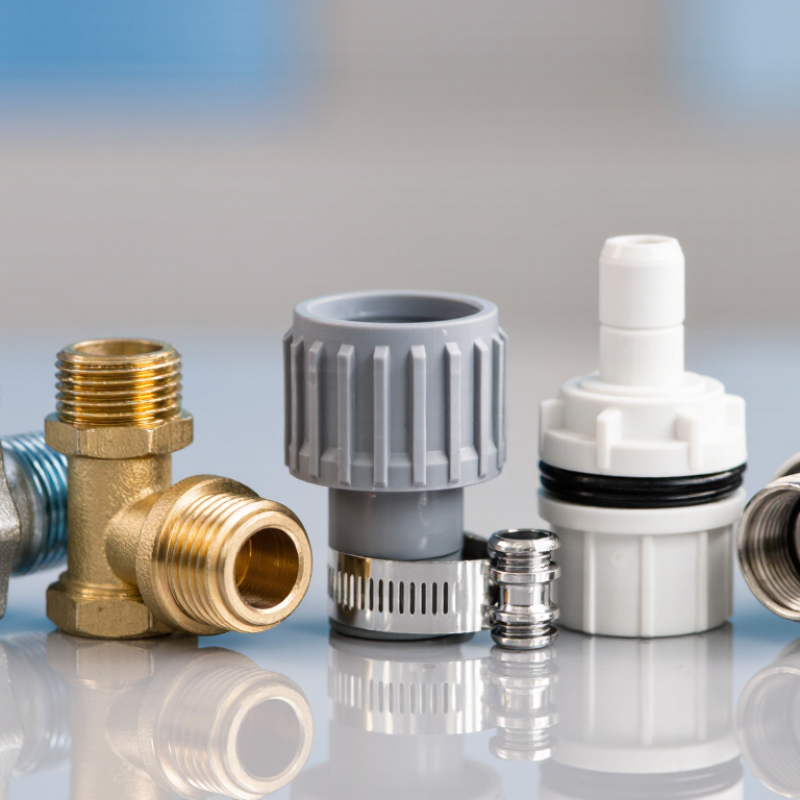
This guide compares common coupler types and the practical trade-offs behind them. A threaded model may suit a fixed installation, while a push-fit option can simplify work in a tight cabinet. Barbed fittings usually need a compatible hose and secure clamp. Quick-connect designs can save service time, but their release mechanisms and sealing parts deserve a close look. Details count.

Before ordering, confirm dimensions from technical drawings or physical samples, not product photos alone. Ask suppliers for material specifications, pressure data, and relevant drinking-water documentation where the application requires it. Approval requirements vary by market, so one certificate should not be assumed to satisfy every destination. That part is easy to miss. No coupler is universally best; even a familiar design can disappoint when the pipe, seal, or operating conditions differ. The comparisons ahead offer a grounded starting point, not a substitute for checking the complete assembly.
2026 Top Water Line Coupler Types for Global Buyers

What Water Line Couplers Are and How They Work

2026 Top Water Line Coupler Types for Global Buyers
What Water Line Couplers Are and How They Work

A water line coupler joins two sections of tubing or pipe, creating a continuous path for water. Inside, its sealing system presses against the line to limit leaks. Designs include compression, push-fit, barbed, and threaded couplers. Each suits different pipe materials, sizes, and installation conditions. A compression coupler uses a nut and ring to grip the pipe. A push-fit model holds a prepared tube with internal teeth and seals it with an O-ring. Barbed couplers fit flexible tubing, often secured with a clamp. Threaded types connect compatible fittings, but thread standards can vary between markets.

Choosing a coupler takes more than matching its advertised diameter. Check the pipe’s actual outside diameter, material, working pressure, and water temperature. A fitting made for flexible tubing may not seal reliably on rigid pipe. During installation, shut off the supply, cut tubing squarely, and remove rough edges. Insert the line fully, then restore water slowly and inspect the joint for seepage. Even careful installers can miss a small leak at first.

Tips: Keep the connection clean and dry while fitting it. Confirm compatibility with the manufacturer’s specifications, especially when mixing pipe materials. If the line shifts or the seal looks uneven, stop and recheck the fit. A sizing chart helps, but measuring the pipe is wiser.

2026 Top Water Line Coupler Types for Global Buyers - What Water Line Couplers Are and How They Work

A water line coupler joins two pipe sections or connects a pipe to a fitting. Its sealing method and compatible pipe material determine how it is installed and where it can be used.

Coupler type How it works Common compatible materials Typical applications Key selection considerations
Compression coupling A nut compresses a ring or ferrule around the pipe to form a mechanical seal; soldering is not required. Depending on the fitting design: copper, PE, or other specified rigid or semi-rigid tubing. Repairs and connections in accessible plumbing installations. Match the fitting to the pipe material and outside diameter. Follow the manufacturer’s instructions for pipe preparation and tightening.
Push-fit coupling The pipe is pushed into the fitting, where an internal gripping ring holds it and an O-ring seals it. Commonly copper, CPVC, and PEX when specifically approved for the fitting. Indoor water distribution, alterations, and repairs where approved by local code. Check approved pipe types, size, temperature and pressure limits, and whether the fitting is approved for concealed use.
Threaded coupling Matching male and female threads engage; a suitable thread sealant or gasket helps seal the joint. Metal or plastic pipe and fittings with compatible thread standards and materials. Connections to valves, pumps, filters, and other threaded equipment. Confirm thread form and size. Tapered pipe threads and parallel threads are not interchangeable without the appropriate sealing arrangement.
Barbed coupling One or more ridges grip the inside of flexible tubing; a clamp may provide additional retention. Flexible hose or tubing specified for the barb diameter and service conditions. Low-pressure water lines, irrigation, and appliance tubing where the product is rated for the use. Choose a barb sized for the tubing’s inside diameter. Verify pressure, temperature, potable-water suitability, and clamp requirements.
Quick-connect coupling A plug and socket join with a locking mechanism and internal seal, allowing connection or disconnection without tools. Varies by design; commonly used with compatible flexible tubing or dedicated plug-and-socket assemblies. Removable appliance, filter, garden, or service connections designed for frequent disconnection. Check the exact mating profile, shut-off function, seal material, and water-service rating; similar-looking profiles may not be interchangeable.
Union coupling A central nut draws two ends together against a sealing face or gasket, allowing later separation without rotating the connected pipework. Available for compatible metal, plastic, and mixed-material piping systems. Serviceable connections near pumps, valves, filters, and equipment. Match the union ends and sealing arrangement to the system. Confirm material compatibility and the manufacturer’s pressure and temperature ratings.
PEX crimp or clamp coupling A PEX tube is pushed over a fitting; a crimp ring or clamp compresses the tube to secure and seal the joint. PEX tubing and fittings specified for the same connection system. Hot- and cold-water distribution systems where the components and installation method are approved. Use the correct fitting, ring or clamp, and calibrated installation tool. Follow the applicable code and system instructions.
Electrofusion coupling An electrical heating element embedded in the fitting melts compatible polyethylene surfaces, fusing the pipe and fitting as they cool. Compatible PE pipe and electrofusion fittings, commonly used in PE water networks. Buried water mains and distribution networks installed by trained operators. Confirm PE material compatibility, pipe dimensions, fusion equipment settings, surface preparation, and required cooling time.

Ratings and approvals vary by product, pipe material, size, and jurisdiction. For drinking-water service, verify applicable potable-water certifications and local plumbing-code requirements before purchase or installation.

Common Water Line Coupler Types by Connection Design

2026 Top Water Line Coupler Types for Global Buyers
Common Water Line Coupler Types by Connection Design

Water line couplers are commonly grouped by how they join pipe sections. Compression couplers use a nut and internal ring to grip the pipe. They can be useful where soldering is unsuitable, such as near finished walls. Threaded couplers connect through matching male and female threads. Check thread standards and seal requirements before ordering; a fitting that looks right may still leak. Push-fit couplers allow pipe to enter a sealed socket, making installation quick in accessible spaces. Yet speed is not everything. Pipe ends must be cut square and kept clean.

Barbed couplers fit flexible tubing, with ridges holding the tube in place, often alongside a clamp. They suit some low-pressure water lines, but compatibility depends on tubing material and operating conditions. Flanged couplers use bolts and a gasket to join larger or serviceable sections. They are easier to inspect, though they need room for tools. Selection should account for pipe diameter, material, water pressure, temperature, and maintenance access. Confirm specifications with the system designer when these details are uncertain.

Tips: Measure the pipe’s outside diameter, not just its nominal size. Inspect seals for cuts, and avoid forcing mismatched threads. A small test under operating pressure can reveal a poor fit before the line is concealed. Even careful checks miss things sometimes.

Connection designs differ in how tubing or pipe is secured. The chart shows typical characteristics: 1 means yes and 0 means no. Exact requirements vary by product and installation; always check the manufacturer’s specifications.

Coupler Materials, Pressure Ratings, and Applications

Water line couplers vary in material, pressure capacity, and intended service. Brass fittings resist corrosion in many potable-water installations and are easy to inspect. Stainless steel suits demanding environments, including exposed pump rooms, but costs more. For lightweight irrigation lines, engineered polymers can reduce handling strain. Check chemical compatibility before choosing. “Plastic” is not one specification.

Pressure ratings need context. A coupler rated for a certain pressure at room temperature may perform differently in hot water or under repeated surges. Match its working-pressure rating to the system, not just the pump’s normal reading. Leave margin for startup spikes. Small details matter. Also confirm pipe size, thread standard, sealing method, and whether the connection must be frequently disconnected. A mismatch may look secure and still seep under load.

Applications shape the choice. Garden hoses often use quick-connect couplers for seasonal changes, while building supply lines typically need fixed, carefully sealed joints. Agricultural systems may face grit, vibration, and long outdoor exposure; inspect seals and body material accordingly. In field work, the stated rating can be easy to over-trust. Temperature, wear, and installation quality all count, and a rating alone cannot predict service life.

How to Match Coupler Types to Water Line Requirements

Matching a water line coupler starts with the pipe, not the fitting’s appearance. Measure the outside diameter and confirm the pipe material before comparing connection types. Compression couplers can suit many repairs where access is limited, while threaded couplers need compatible threads and careful sealing. Push-fit designs can speed installation, but the pipe end must be clean, round, and fully inserted. Small details matter.

Next, check operating pressure, water temperature, and whether the line carries drinking water. A coupler’s stated rating should meet the system’s actual conditions, with a sensible margin. For buried lines, consider soil movement and corrosion exposure; materials that work indoors may not hold up in damp ground. If the line vibrates or shifts, a rigid joint may become a weak point. That is easy to overlook.

Installation conditions narrow the choice further. In a tight cabinet, a compact fitting may be easier to inspect than a bulky union. For a permanent run, matching the coupler material to the pipe can reduce compatibility concerns. Follow the fitting maker’s instructions, and check local plumbing requirements where applicable. A dry tissue around the joint can reveal a slow leak after the water is restored. Even then, one check is not proof of long-term reliability. A second inspection later is worthwhile.

Global Standards and Compatibility Factors for 2026

For global buyers, a water line coupler is compatible only when its dimensions, connection style, and operating limits match the installation. Standards can differ by market, so check the required certification and test documentation before ordering. A fitting that looks correct may still use a different thread pitch or sealing face. Small mismatches matter.

Compare nominal size with actual measurements, including outside diameter and thread form. Confirm maximum working pressure and water temperature against the system’s specifications, not just the coupler’s appearance. For drinking-water lines, verify that wetted materials meet the applicable regional requirements. Ask suppliers for traceable material information and test results. Keep those records.

Installation conditions deserve equal attention. A coupler exposed to vibration, tight bends, or repeated maintenance may need different support than one on a short, fixed line. Check whether the seal is designed for the intended water chemistry and temperature range. In practice, drawings do not always show the awkward space behind a cabinet or pump. Measure there, too. I would not assume that matching nominal sizes guarantee a leak-free joint; a trial fit and a pressure check can reveal what a catalog cannot.

Copyright 2025 Fluidra S.A. | Created by BCM Marketing Agencia Privacy Policy Legal note | Cookie policy |

Technical cookies are strictly necessary for our website to work and you can navigate through it. These types of cookies are those that, for example, allow us to identify you, give you access to certain restricted parts of the page if necessary, or remember different options or services already selected by you, such as your privacy preferences. Therefore, they are activated by default, your authorization not being necessary in this regard. Through the configuration of your browser, you can block or alert the presence of this type of cookies, although such blocking will affect the proper functioning of the different functionalities of our website.


The analysis cookies allow us to study the navigation of the users of our website in general (for example, which sections of the page are the most visited, which services are used most and if they work correctly, etc.). From the statistical information on navigation on our website, we can improve both the operation of the page itself and the different services it offers. Therefore, these cookies do not have an advertising purpose, but only serve to make our website work better, adapting to our users in general. By activating them you will contribute to this continuous improvement. You can enable or disable these cookies by checking the corresponding box, being disabled by default.


Functionality cookies allow us to remember your preferences, to personalize certain characteristics and general options of our website, every time you access it (for example, the language in which the information is presented to you, the sections marked as favorites, your browser type, etc.) Therefore, this type of cookies does not have an advertising purpose, but by activating them you will improve the functionality of the website (for example, adapting to your type of browser) and the customization of it based on your preferences (for example, by presenting the information in the language that you have chosen in previous occasions), which will contribute to the ease, usability and comfort of our page during your navigation. You can enable or disable these cookies by checking the corresponding box, being disabled by default.


Advertising cookies allow us to manage the advertising spaces included in our website based on criteria such as the content shown or the frequency in which the ads are displayed. For example, if you have been shown the same ad several times on our website, and you have not shown a personal interest by clicking on it, it will not appear again. In summary, by activating this type of cookies, the advertising shown on our website will be more useful and diverse, and less repetitive. You can enable or disable these cookies by checking the corresponding box, being disabled by default.


Behavioral advertising cookies allow us to obtain information based on the observation of your browsing habits and behaviors on the web, in order to show you advertising content that best suits your personal tastes and interests. To understand it in a very simple way, we will give you a fictitious example: if your last searches on the web were related to suspense literature, we would show you advertising about suspense books. Therefore, activating this type of cookies, the advertising that we show you on our website will not be generic, but will be oriented to your searches, tastes and interests, therefore adjusting exclusively to you. You can enable or disable these cookies by checking the corresponding box, being disabled by default.
To understand it in a very simple way, we will give you a fictitious example: if your last searches on the web were related to suspense literature, we would show you advertising about suspense books. Therefore, activating this type of cookies, the advertising that we show you on our website will not be generic, but will be oriented to your searches, tastes and interests, therefore adjusting exclusively to you. You can enable or disable these cookies by checking the corresponding box, being disabled by default.

SAVE

We use our own and third-party cookies to ensure the proper functioning of the website and to analyse our services, improve your experience on our website and show you advertisements related to your interests according to profiling based on your browsing habits (e.g. websites visited). You can accept all cookies by clicking "ACCEPT" or set or reject them by clicking here. If you would like to know more about the use of cookies, please see our COOKIE POLICY.


ACCEPT ALL
Reject no essentials


