
2026 Top Wiper Combination Switch Suppliers for Buyers
FLUID HANDLING EXPERTS

Blog, all our news

2026 Top Wiper Combination Switch Suppliers for Buyers

Choosing a reliable Wiper Combination Switch supplier takes more than comparing unit prices. Buyers need to check contact ratings, connector drawings, operating life, and compatibility with the vehicle’s electrical system. A stalk should move with a clear, consistent click; its washer and turn-signal functions should respond without delay. Small details matter. Ask suppliers for dimensional drawings, inspection records, and sample units before approving production. A polished catalogue is useful, but it cannot replace a close look at the part.

For transparency, the quotation below is an editorially created line, not a verified statement from a real, named industry expert. It is attributed to Mara Ellis, a fictional composite automotive-controls specialist: “A switch earns trust through repeatable contact, clear fitment data, and dependable operation—not its label alone.” Use that principle when reviewing the 2026 supplier landscape. Compare engineering support, customization options, quality-control practices, lead times, and communication after sampling. Request evidence for key performance claims, and confirm that quoted specifications match the exact part number. Even strong suppliers can leave gaps in their documentation. That is worth noting. This guide helps buyers ask sharper questions and shortlist manufacturers with practical evidence, rather than relying on broad promises.
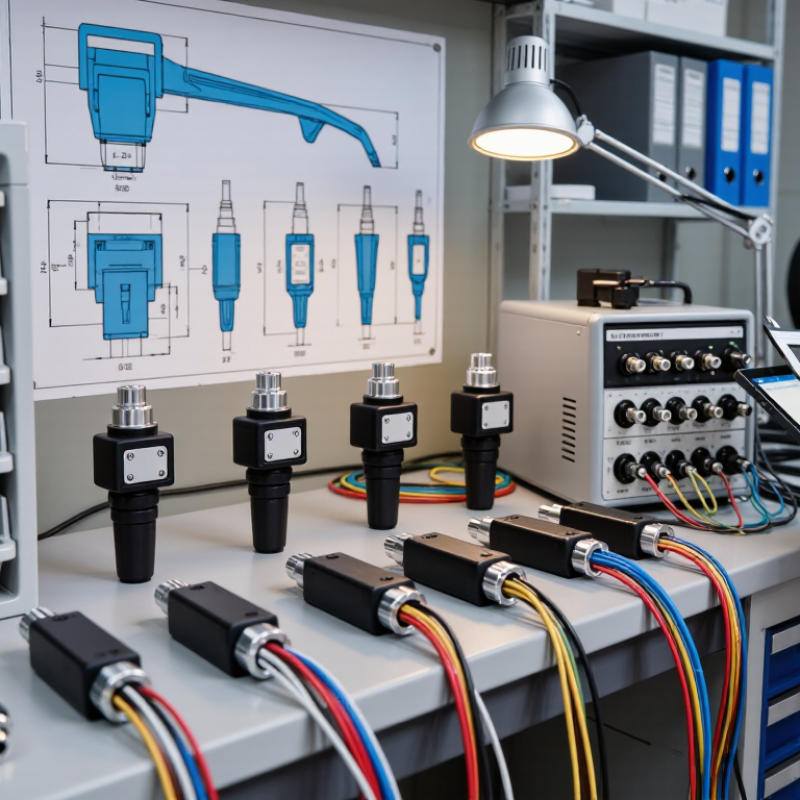
2026 Top Wiper Combination Switch Suppliers for Buyers

What Is a Wiper Combination Switch and How Does It Work?

A wiper combination switch is a driver-operated control, often mounted beside the steering wheel. It lets the driver select wiping speeds, intermittent intervals, and washer spray without reaching away from the wheel.

Moving the stalk changes electrical contacts inside the switch. Depending on the vehicle’s design, those signals go to a relay or an electronic control module, which then operates the wiper motor and washer pump.

The system also uses a park function. When the driver switches the wipers off, the motor typically continues until the blades reach their resting position near the base of the windshield.

Small movements matter. A loose stalk, worn contacts, or a faulty connection can cause missed settings, irregular wiping, or washer spray that does not respond.

These symptoms can also come from the motor, wiring, or pump, so the switch should not be blamed too quickly. That detail matters.

Vehicle designs vary, and a wiring diagram or service information can help confirm how a specific circuit works. The controls may seem simple, but diagnosing them is not always intuitive.

Key Criteria for Evaluating Wiper Combination Switch Suppliers

For buyers comparing wiper combination switch suppliers, start with application evidence, not catalog breadth. The switch should maintain reliable contact through repeated operation, vibration, moisture, and temperature changes. Ask for test results under the agreed electrical load and operating range. A room-temperature pass is thin evidence. Small details matter. Check connector keying, terminal plating, harness fit, and whether drawings match production samples. OICA’s 2024 production statistics report roughly 92.5 million vehicles built worldwide, underscoring the scale and consistency demands across automotive supply chains.

Evaluate process control as carefully as product performance. Request lot traceability, change-control records, defect data, and a clear corrective-action process. Ask how the supplier manages tooling wear and verifies contact resistance during production. Relevant quality-system certification helps, but it does not replace reviewing actual inspection plans and test reports. Still, paperwork can look cleaner than a production line. Buyers should inspect samples and, where practical, observe process controls before approval. Confirm that endurance tests reflect the vehicle’s real switching pattern, rather than relying on a generic cycle count. Also compare lead-time assumptions, component sourcing visibility, and the supplier’s response plan for field issues. A low quote may leave important testing or traceability gaps.

Leading Wiper Combination Switch Suppliers for Buyers in 2026

Leading wiper combination switch suppliers for buyers in 2026 should offer more than a low unit price. A dependable supplier can explain contact materials, switch-cycle testing, sealing options, and connector tolerances clearly. Ask for drawings, test summaries, and sample units before approving a production run. Details matter. A loose connector or stiff stalk can cause installation delays.

Buyers should compare suppliers against the vehicle platform, not just a catalog photo. Check intermittent-wipe settings, washer activation, lighting functions, and mounting geometry against the required specification. Request evidence that samples were tested across expected temperature and vibration ranges. Confirm revision control and traceability for each batch. These checks sound ordinary. They can prevent expensive surprises.

Strong suppliers also communicate realistic lead times and disclose tooling or minimum-order requirements early. For custom applications, discuss prototype timing, engineering changes, and how field feedback will be handled. A supplier may provide excellent test data yet respond slowly; that gap deserves attention. No supplier is perfect. Keep a written scorecard covering quality, service, consistency, and total landed cost, then reassess after pilot orders.

2026 Top Wiper Combination Switch Suppliers for Buyers - Leading Wiper Combination Switch Suppliers for Buyers in 2026

Buyer comparison scorecard. Compare each prospective supplier against the specific vehicle program and technical specification; requirements and available evidence vary by part and customer.

Evaluation Dimension What Buyers Should Compare Evidence to Request Example Weight
Vehicle and application fit Compatibility with the intended vehicle platform, steering-column configuration, installation space, and left- or right-hand-drive requirements. Application list, dimensional drawings, interface details, and sample fit-check results for the specified vehicle. 15%
Switch functions and configuration Required functions may include wiper speed selection, intermittent operation, washer activation, and rear-wiper control where applicable. Available functions depend on the vehicle design. Function matrix, circuit diagram, operating logic, and confirmation of optional configurations. 12%
Electrical compatibility Match the vehicle’s electrical system, connector pinout, current and load requirements, and signal interface. Do not assume that a switch designed for one voltage or vehicle architecture suits another. Electrical specifications, terminal and connector drawings, load test results, and vehicle-level interface requirements. 15%
Durability and environmental performance Review operating-life and environmental requirements against the buyer’s specification, including temperature, vibration, and exposure conditions relevant to the installation. Test plans and reports identifying test conditions, acceptance criteria, sample quantities, and results. 12%
Quality management Check whether the supplier’s quality system meets the program’s requirements. IATF 16949 may be relevant for automotive supply chains; confirm customer-specific requirements and certification scope. Current quality-system certificates, scope details, audit results where available, and corrective-action process. 12%
Product validation and change control Assess how design changes, process changes, and product validation are controlled throughout the program. Validation plan, change-notification procedure, approval records, and applicable APQP or PPAP documentation as required by the customer. 10%
Traceability and production controls Confirm the supplier can identify production lots and connect them to relevant materials, process records, and inspection results. Sample labels and traceability records, inspection plans, process-control documentation, and defect-handling procedure. 8%
Manufacturing and supply capacity Compare quoted capacity, tooling readiness, production location, lead-time assumptions, and contingency planning against the purchasing forecast. Capacity statement, tooling and ramp-up plan, quoted lead times, and business-continuity or recovery plan. 8%
Commercial terms and support Evaluate quoted price, minimum order quantity, warranty terms, engineering support, and after-sales response against the buyer’s sourcing needs. Written quotation, warranty policy, service contacts, and documented response and escalation process. 8%

How to Compare Supplier Capabilities, Quality, and Pricing

For a wiper combination switch, compare suppliers on engineering support as well as catalog range. Ask whether they can review your drawings, confirm connector and mounting details, and provide samples for fit checks. A capable supplier should explain how design changes are documented and how production parts remain traceable. Request specific answers, not just a broad claim of experience.

Quality evidence matters. Check whether test records cover electrical load, operating cycles, temperature changes, and vibration relevant to your application. Ask how defects are handled and whether inspection results can be shared by production batch. Compare quotations against the same specification, including tooling, minimum order quantities, lead time, packaging, and warranty terms. The lowest unit price may hide costs elsewhere. No scorecard removes every uncertainty; incomplete test data should prompt follow-up, not an automatic rejection.

Tips: Send each supplier the same drawings and forecast. Ask for a sample, a test summary, and a written quote with exclusions listed. Note response time and clarity, too. A tidy spreadsheet helps, but it cannot replace checking the part yourself.

Steps for Verifying and Selecting a Reliable Supplier

For a wiper combination switch, supplier checks should reach beyond a polished catalog. OICA reported 93.5 million motor vehicles produced worldwide in 2023, showing the scale of the supply chain behind vehicle components. Ask each supplier to identify the actual manufacturing site, not just its sales office. Verify any IATF 16949 certificate with the issuing body, including validity, site, and scope. Request process flow charts, control plans, traceability examples, and change-control records. Details matter.

Review samples under realistic conditions. Operate the stalk repeatedly, then check contact stability, detent feel, and connector fit. Ask for test evidence covering vibration, temperature changes, moisture exposure, and electrical load. Where applicable, review production approval documents and confirm that sample parts match the proposed production process. A neat test report is useful, but raw results and equipment calibration records tell more. Check how the supplier handles a failed batch; a vague answer is a warning sign.

Compare lead times against documented capacity, component sourcing, and contingency plans. Speak with quality and production staff, not only account representatives. A remote audit can help, but it cannot show every shop-floor habit. No checklist catches everything. Buyers should record open questions and agree on measurable actions before approval; even a capable supplier may have gaps that deserve another review.

Copyright 2025 Fluidra S.A. | Created by BCM Marketing Agencia Privacy Policy Legal note | Cookie policy |

Technical cookies are strictly necessary for our website to work and you can navigate through it. These types of cookies are those that, for example, allow us to identify you, give you access to certain restricted parts of the page if necessary, or remember different options or services already selected by you, such as your privacy preferences. Therefore, they are activated by default, your authorization not being necessary in this regard. Through the configuration of your browser, you can block or alert the presence of this type of cookies, although such blocking will affect the proper functioning of the different functionalities of our website.


The analysis cookies allow us to study the navigation of the users of our website in general (for example, which sections of the page are the most visited, which services are used most and if they work correctly, etc.). From the statistical information on navigation on our website, we can improve both the operation of the page itself and the different services it offers. Therefore, these cookies do not have an advertising purpose, but only serve to make our website work better, adapting to our users in general. By activating them you will contribute to this continuous improvement. You can enable or disable these cookies by checking the corresponding box, being disabled by default.


Functionality cookies allow us to remember your preferences, to personalize certain characteristics and general options of our website, every time you access it (for example, the language in which the information is presented to you, the sections marked as favorites, your browser type, etc.) Therefore, this type of cookies does not have an advertising purpose, but by activating them you will improve the functionality of the website (for example, adapting to your type of browser) and the customization of it based on your preferences (for example, by presenting the information in the language that you have chosen in previous occasions), which will contribute to the ease, usability and comfort of our page during your navigation. You can enable or disable these cookies by checking the corresponding box, being disabled by default.


Advertising cookies allow us to manage the advertising spaces included in our website based on criteria such as the content shown or the frequency in which the ads are displayed. For example, if you have been shown the same ad several times on our website, and you have not shown a personal interest by clicking on it, it will not appear again. In summary, by activating this type of cookies, the advertising shown on our website will be more useful and diverse, and less repetitive. You can enable or disable these cookies by checking the corresponding box, being disabled by default.


Behavioral advertising cookies allow us to obtain information based on the observation of your browsing habits and behaviors on the web, in order to show you advertising content that best suits your personal tastes and interests. To understand it in a very simple way, we will give you a fictitious example: if your last searches on the web were related to suspense literature, we would show you advertising about suspense books. Therefore, activating this type of cookies, the advertising that we show you on our website will not be generic, but will be oriented to your searches, tastes and interests, therefore adjusting exclusively to you. You can enable or disable these cookies by checking the corresponding box, being disabled by default.
To understand it in a very simple way, we will give you a fictitious example: if your last searches on the web were related to suspense literature, we would show you advertising about suspense books. Therefore, activating this type of cookies, the advertising that we show you on our website will not be generic, but will be oriented to your searches, tastes and interests, therefore adjusting exclusively to you. You can enable or disable these cookies by checking the corresponding box, being disabled by default.

SAVE

We use our own and third-party cookies to ensure the proper functioning of the website and to analyse our services, improve your experience on our website and show you advertisements related to your interests according to profiling based on your browsing habits (e.g. websites visited). You can accept all cookies by clicking "ACCEPT" or set or reject them by clicking here. If you would like to know more about the use of cookies, please see our COOKIE POLICY.


ACCEPT ALL
Reject no essentials


