
2026 Top Heat Shrink Bags for Global Buyers
FLUID HANDLING EXPERTS

Blog, all our news

2026 Top Heat Shrink Bags for Global Buyers

In 2026, global buyers comparing Heat Shrink Bags need more than an attractive product photo. They need packaging that fits the product, performs consistently, and arrives with clear specifications. The right choice depends on the item’s shape, weight, surface, and storage conditions. A clear film may suit retail presentation, while tougher material may better protect products during handling. Shrink performance matters, too: uneven heat can leave wrinkles, loose corners, or a package that looks less professional.

Small details matter. Film thickness, seal strength, clarity, and compatibility with existing equipment can affect both packaging quality and production speed. Buyers should compare these specifications rather than relying on broad claims such as “premium” or “heavy duty.” They should also confirm minimum order quantities, lead times, customization options, and sample availability. A polished sample can still behave differently on a busy packing line.

For food or other sensitive applications, request relevant material and product documentation, and verify that it matches the intended use. Requirements differ by destination and application, so buyers should check current guidance with qualified sources. Test samples using the actual product and equipment whenever possible. Look for consistent shrinkage, secure seals, and acceptable appearance after handling. Do not rely on photos alone.

There is no single best bag for every buyer. A smaller importer may prioritize flexible order quantities, while a large distributor may focus on repeatability and supply capacity. This guide outlines practical options and questions to ask suppliers. Some comparisons remain imperfect; real-world trials often reveal what specification sheets miss.
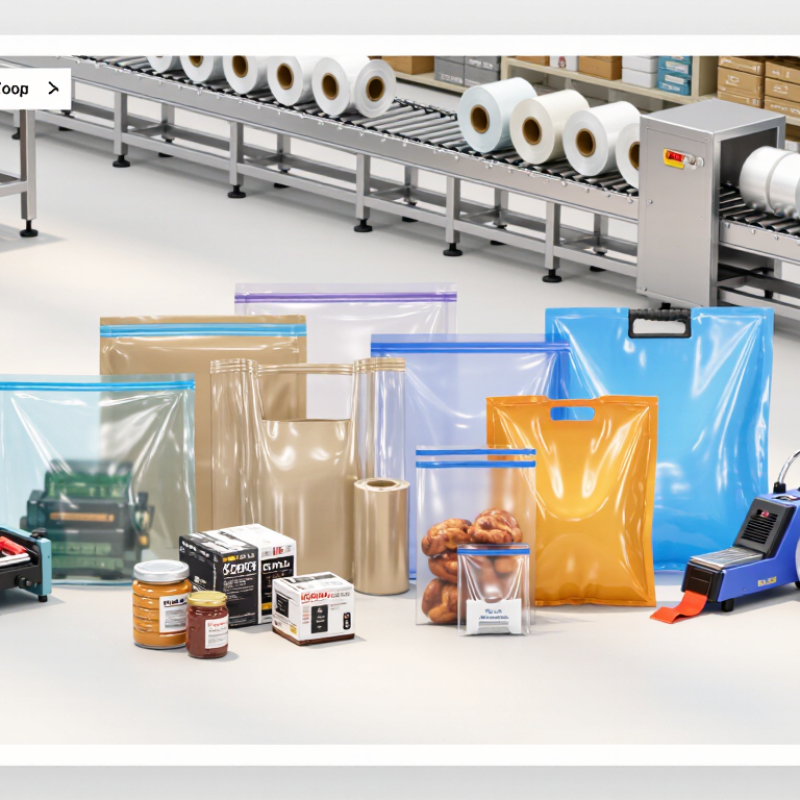
2026 Top Heat Shrink Bags for Global Buyers

What Heat Shrink Bags Are and How They Work

2026 Top Heat Shrink Bags for Global Buyers

What Heat Shrink Bags Are and How They Work

Heat shrink bags are pre-formed plastic pouches that tighten around products when heated. Many are made from oriented thermoplastic film. Heat releases some of that orientation, causing the film to contract around the contents. The result is a close-fitting package. Not magic. The fit depends on bag size, film type, and heat settings.

In practice, an operator places an item inside, seals the opening, then applies controlled heat. A heat tunnel usually gives more even results than a handheld heat source. ASTM International’s D2732 test method measures unrestrained linear thermal shrinkage in plastic film. It can help compare film behavior, but real product trials still matter. Watch for trapped air, sharp corners, and uneven seals.

For broader market context, Smithers’ The Future of Global Packaging to 2028 estimated the global packaging market at US$1.17 trillion in 2023, with a forecast of US$1.42 trillion by 2028. This figure covers packaging overall, not shrink bags specifically. It signals a large packaging sector, but does not guarantee every shrink-bag format suits every shipment.

Check the finished package for wrinkles, seal strength, and product movement. A tidy exterior can hide a weak seal.

Key Materials, Sizes, Thicknesses, and Performance Features

2026 Top Heat Shrink Bags for Global Buyers

Material choice shapes clarity, strength, and sealing behavior. Polyolefin bags suit many retail products, offering clear presentation and balanced shrink performance. Polyethylene options can provide more toughness for heavier or bundled goods. PVC may fit certain applications, but buyers should check handling, processing, and regional requirements before specifying it. No material is perfect.

Size should follow the product, not just its label. Measure the item at its widest points, then allow room for loading and the intended shrink fit. A bag that is too tight can strain seams; one that is too loose may wrinkle around corners. Thickness also matters. Light products often need less film, while sharp edges or rough handling may call for a heavier gauge. Test with real samples.

Performance depends on more than material and thickness. Check seal strength, optical clarity, shrink consistency, and resistance to punctures. Ask suppliers for sample specifications and test bags on the actual packing line, since tunnel temperature and speed can change results. Small details matter. Even a good specification can miss a weak corner seal. Record settings, inspect several finished packs, and revise the size or film gauge when the fit looks uneven.

2026 Top Heat Shrink Bags for Global Buyers - Key Materials, Sizes, Thicknesses, and Performance Features
Bag Material Common Bag Sizes (W × L) Typical Film Thickness Shrink Performance Key Performance Features Common Applications Buyer Considerations
Polyolefin (POF) Small: 100 × 150 mm; medium: 200 × 300 mm; large: 300 × 450 mm. Custom sizes are widely available. Approximately 15–30 μm (0.6–1.2 mil) High shrink capability; often selected for tight, clear presentation. Actual shrink depends on film grade and process conditions. Good clarity and gloss; flexible film; commonly available in centerfold, single-wound, and bag formats. Many grades are suitable for food packaging when certified for the intended use. Books, toys, cosmetics, household products, gift sets, and retail multipacks. Confirm product dimensions, seal compatibility, shrink equipment, and applicable food-contact requirements.
Polyethylene (PE) Commonly made to order; examples include 250 × 350 mm, 400 × 600 mm, and larger industrial formats. Approximately 40–150 μm (1.6–6 mil); heavier gauges are available. Moderate shrink response with strong, durable packaging; performance varies by formulation and film orientation. High toughness and puncture resistance; suitable for heavier loads and bundling. Often used where strength matters more than fine-detail presentation. Beverage and can multipacks, cartons, building materials, and industrial products. Choose gauge according to load weight, sharp edges, transport conditions, and required pack stability.
PVC (Polyvinyl Chloride) Commonly available in smaller retail formats, such as 100 × 150 mm to 300 × 450 mm; custom dimensions depend on supplier capability. Approximately 15–25 μm (0.6–1.0 mil) Strong shrink response on compatible equipment; the result depends on grade, package shape, and heating conditions. Good clarity and a crisp finish. Material handling, workplace ventilation, and end-of-life requirements should be considered. Some non-food retail items, stationery, compact products, and tamper-evident overwraps. Check local regulations and recycling guidance; confirm that the film is appropriate for the product and application.
Cross-linked Polyolefin (Cross-linked POF) Available in small and medium retail bag sizes; typical examples range from 100 × 150 mm to 350 × 500 mm, with custom options. Approximately 15–30 μm (0.6–1.2 mil) Designed to provide consistent shrink and improved resistance to tearing or splitting compared with many standard POF grades. Good clarity, strong seals, and reliable performance on complex or irregular packs when correctly specified. Retail multipacks, printed products, irregularly shaped goods, and higher-speed packaging lines. Check line speed, sealing method, and the supplier’s test data for the intended machine and package.
Heavy-Duty PE Shrink Bag Often specified for large packs; examples include 500 × 700 mm and 800 × 1,000 mm. Final dimensions are load-dependent. Approximately 75–200 μm (3–8 mil), depending on load and handling needs. Provides a secure bundle or overwrap; shrink behavior and finished-pack tightness depend on film formulation and equipment. Robust protection for bulk products; can help hold grouped items together during storage and distribution. Industrial components, lumber bundles, large cartons, and construction products. Specify pack weight, bundle shape, edge protection, storage conditions, and required seal strength.

Note: Size and thickness figures are indicative examples, not universal standards. Shrink performance varies with film formulation, test method, package geometry, and machine settings. Confirm specifications and regulatory suitability with the supplier before ordering.

Leading Heat Shrink Bag Types for Different Packaging Needs in 2026

Heat shrink bags differ in clarity, strength, and shrink behavior, so the right choice depends on the product and packing line. Polyolefin bags offer clear presentation and a soft feel, making them useful for boxed goods, printed materials, and retail bundles. They can form a neat finish around edges. Test the film with your sealer and heat source before ordering in bulk.

PVC bags can provide strong clarity and a firm, close fit for lightweight items. However, their handling and temperature requirements may differ from other films, so confirm product specifications and workplace procedures. For heavier multipacks, polyethylene shrink bags are often considered because they provide added strength. The finish may be less transparent, though. That trade-off matters when shoppers need to see the contents.

Bag dimensions also affect results. Leave enough room for loading, but avoid excessive slack that creates loose folds at the corners. A small sample run can reveal wrinkles, weak seals, or uneven shrinkage around handles and protrusions. Check the packed item after cooling, not just while it is warm. Some products may not tolerate heat well. This part is easy to overlook. Record the film type, bag size, and equipment settings that worked, while allowing for adjustments when materials or product shapes change.

2026 Top Heat Shrink Bag Types for Global Buyers

Typical shrinkage ranges by commonly used film material

PVC commonly shrinks around 40–50%, polyolefin around 50–75%, and polyethylene around 50–80%. Actual performance varies by formulation, film thickness, and processing conditions; check supplier specifications for a specific application.

How Global Buyers Can Compare Suppliers and Product Specifications

2026 Top Heat Shrink Bags for Global Buyers

How Global Buyers Can Compare Suppliers and Product Specifications

Compare the bag to the product, not just the supplier’s price. Measure length, width, and depth, including handles or sharp corners. A bag that fits on paper may split at a seam. Check film type, thickness in microns, shrink ratio, and the recommended sealing and heating range. Ask for measurement tolerances, not only nominal dimensions.

Request samples made to the quoted specifications. Test them on your own equipment with actual products. Observe seal strength, clarity, and whether the film shrinks evenly around corners. Small details matter. If material suitability or product documentation matters for your application, request current supporting records and check that they match the quoted film. Compare minimum order quantities, production time, packing method, and shipping estimates alongside unit cost.

Keep a written comparison sheet. It will not capture everything. A lower price may come with less consistent measurements or longer lead times, so clarify what happens if a batch differs from the agreed specification. Ask suppliers to confirm key details in writing, including thickness range and packaging dimensions. Some differences only appear during a production run, so sample testing is useful but not a guarantee.

Import, Compliance, and Storage Considerations for International Buyers

For international buyers, heat shrink bags need more than a suitable size and price. Request a specification sheet showing polymer type, thickness, dimensions, and recommended shrinking conditions. Confirm that samples match the production order; a small difference in gauge can affect sealing and fit. Ask for test reports that support any performance or product-contact claims. Requirements vary by destination and intended use, so verify current import, labeling, and material rules with a qualified customs broker. Check that invoices and packing lists describe the goods consistently. Classification can be less straightforward than it looks.

Tips: Confirm carton counts, dimensions, and gross weight before booking freight. Keep copies of specifications and test documents with the purchase record.

After arrival, store bags in sealed cartons, away from direct sunlight, damp floors, and heat sources. Use pallets where possible, and rotate stock so older cartons are used first. Follow the supplier’s storage guidance, since material performance can change with time and conditions. Inspect a few bags from each shipment before approving routine use. Look for cloudy patches, sticking, or uneven edges. These checks take a little time, and they may still miss a problem, but they can reveal issues before a full production run.

Copyright 2025 Fluidra S.A. | Created by BCM Marketing Agencia Privacy Policy Legal note | Cookie policy |

Technical cookies are strictly necessary for our website to work and you can navigate through it. These types of cookies are those that, for example, allow us to identify you, give you access to certain restricted parts of the page if necessary, or remember different options or services already selected by you, such as your privacy preferences. Therefore, they are activated by default, your authorization not being necessary in this regard. Through the configuration of your browser, you can block or alert the presence of this type of cookies, although such blocking will affect the proper functioning of the different functionalities of our website.


The analysis cookies allow us to study the navigation of the users of our website in general (for example, which sections of the page are the most visited, which services are used most and if they work correctly, etc.). From the statistical information on navigation on our website, we can improve both the operation of the page itself and the different services it offers. Therefore, these cookies do not have an advertising purpose, but only serve to make our website work better, adapting to our users in general. By activating them you will contribute to this continuous improvement. You can enable or disable these cookies by checking the corresponding box, being disabled by default.


Functionality cookies allow us to remember your preferences, to personalize certain characteristics and general options of our website, every time you access it (for example, the language in which the information is presented to you, the sections marked as favorites, your browser type, etc.) Therefore, this type of cookies does not have an advertising purpose, but by activating them you will improve the functionality of the website (for example, adapting to your type of browser) and the customization of it based on your preferences (for example, by presenting the information in the language that you have chosen in previous occasions), which will contribute to the ease, usability and comfort of our page during your navigation. You can enable or disable these cookies by checking the corresponding box, being disabled by default.


Advertising cookies allow us to manage the advertising spaces included in our website based on criteria such as the content shown or the frequency in which the ads are displayed. For example, if you have been shown the same ad several times on our website, and you have not shown a personal interest by clicking on it, it will not appear again. In summary, by activating this type of cookies, the advertising shown on our website will be more useful and diverse, and less repetitive. You can enable or disable these cookies by checking the corresponding box, being disabled by default.


Behavioral advertising cookies allow us to obtain information based on the observation of your browsing habits and behaviors on the web, in order to show you advertising content that best suits your personal tastes and interests. To understand it in a very simple way, we will give you a fictitious example: if your last searches on the web were related to suspense literature, we would show you advertising about suspense books. Therefore, activating this type of cookies, the advertising that we show you on our website will not be generic, but will be oriented to your searches, tastes and interests, therefore adjusting exclusively to you. You can enable or disable these cookies by checking the corresponding box, being disabled by default.
To understand it in a very simple way, we will give you a fictitious example: if your last searches on the web were related to suspense literature, we would show you advertising about suspense books. Therefore, activating this type of cookies, the advertising that we show you on our website will not be generic, but will be oriented to your searches, tastes and interests, therefore adjusting exclusively to you. You can enable or disable these cookies by checking the corresponding box, being disabled by default.

SAVE

We use our own and third-party cookies to ensure the proper functioning of the website and to analyse our services, improve your experience on our website and show you advertisements related to your interests according to profiling based on your browsing habits (e.g. websites visited). You can accept all cookies by clicking "ACCEPT" or set or reject them by clicking here. If you would like to know more about the use of cookies, please see our COOKIE POLICY.


ACCEPT ALL
Reject no essentials


