
Choosing a Hot Water Absorption Chiller is not simply a matter of comparing cooling capacity. The right unit must match the available hot-water temperature, flow rate, cooling load, and site conditions. A chiller rated for one heat source may perform poorly when actual water temperatures fluctuate. Small details matter: pipe length, seasonal load changes, and the space available for maintenance.
Professor Ruzhu Wang of Shanghai Jiao Tong University is known for research in refrigeration and heat-driven cooling. A useful paraphrase of the engineering lesson behind this field—not a verified verbatim quotation—is: “Match the chiller to its heat source and operating conditions, not just its rated capacity.” That distinction deserves attention. A polished specification sheet can hide a poor fit.
This guide explains how to assess performance, operating costs, controls, and supplier support before making a decision. It also considers whether the hot-water source remains dependable during peak cooling demand. Ask for performance data at the temperatures your system will actually provide. Check how the unit responds when those temperatures shift. Be practical.
There is no universal best choice. A system that suits a factory’s steady waste heat may not suit a hotel with changing loads. And one overlooked maintenance requirement can complicate an otherwise sound installation. Good selection takes careful questions, realistic site data, and room to reconsider assumptions.
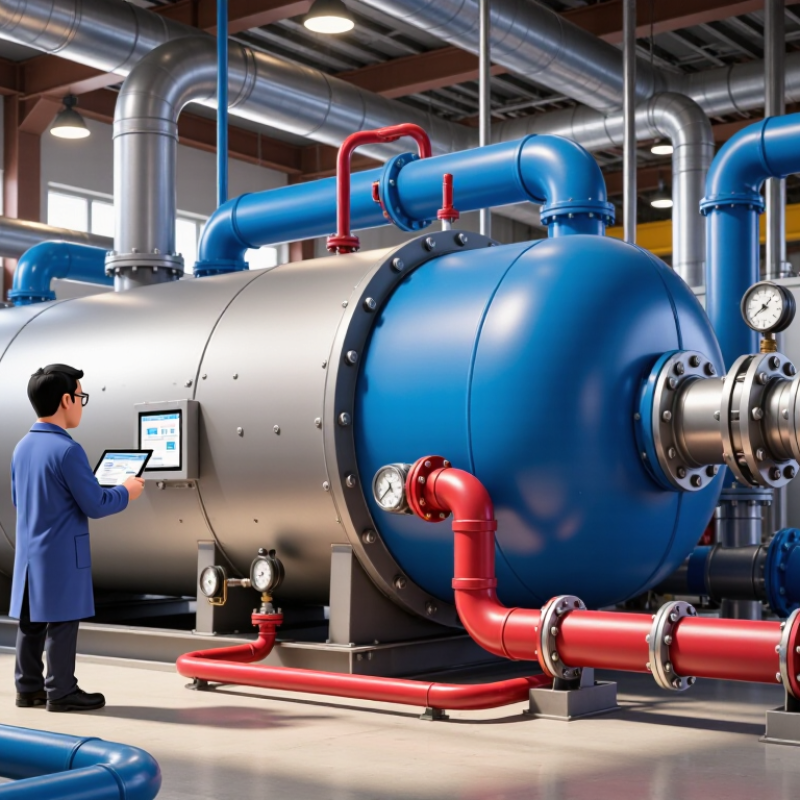
A hot water absorption chiller uses heat to produce cooling instead of relying on a conventional mechanical compressor. In the generator, incoming hot water warms a refrigerant-and-absorbent solution. Refrigerant vapor separates from the solution and moves toward the condenser, where cooling water carries away heat. The refrigerant then passes into the evaporator and evaporates at low pressure, drawing heat from the chilled-water loop. That is the cooling effect.
The vapor enters the absorber and is taken up by the absorbent. A small pump returns the stronger solution to the generator, and the cycle repeats. No large compressor is needed. That matters when usable waste heat or solar-heated water is available, but the chiller still needs electricity for pumps and heat rejection equipment. A cooling tower may be required, depending on the system design.
Performance depends on more than the chiller’s rated capacity. Check the hot-water temperature and flow across the expected operating range, along with cooling-water conditions and the building’s cooling load. A temperature that looks adequate on a drawing may sag during real operation. It sounds simple, but the heat balance is easy to underestimate. Ask for performance data at your actual operating conditions, and confirm how controls respond when heat supply fluctuates. A careful site review can prevent an oversized unit, or a unit that cannot meet peak demand.

A hot water absorption chiller should match the cooling load your site actually experiences, not just its rated peak. Review hourly demand across a typical week and note seasonal changes. A building may need strong cooling at midday but very little before opening. Check required chilled-water supply temperature, flow rate, and the temperature range equipment must handle. Small details matter. A process needing steady cooling has different priorities from a space-cooling system with sharp daily peaks.
Then examine the heat source and surrounding equipment. Record hot-water temperature and flow during normal operation, including periods when other systems compete for heat. Measure it. Also check cooling-water temperatures, tower capacity, local summer conditions, available floor space, and maintenance access. Compare these measurements with performance data for the proposed operating range; rated capacity alone can be misleading. Leave some allowance for changing loads, but avoid oversizing without evidence. One imperfect part of planning is that early load estimates often miss shoulder-season conditions. Recheck assumptions against utility records or temporary measurements before setting the final capacity.
Typical operating temperature ranges for preliminary selection
Use these indicative ranges to screen whether a hot water absorption chiller may suit your heat source and cooling system. Actual operating limits and performance depend on chiller design, load, and site conditions; confirm them against the equipment performance data and your measured operating temperatures.
Choose a hot-water absorption chiller by matching its rated cooling capacity to your measured peak load, not just the building’s floor area. Include the hottest operating days and likely future load changes. The U.S. Department of Energy’s 2017 CHP Technology Fact Sheet reports typical thermal COPs of about 0.7 for single-effect and 1.2 for double-effect chillers. These are reference values, not guarantees; actual performance depends on operating conditions.
Hot-water temperature and flow rate determine whether the unit can deliver its rated output. Check the required inlet temperature against the heat source’s real operating profile, including seasonal dips and return-water temperature. A high COP is less useful if available heat cannot support full capacity. Also compare cooling-water conditions and chilled-water setpoints, since both influence output. A neat spreadsheet can still miss an awkward detail: the heat source may peak when cooling demand is low.
Tips: Request performance data at your actual hot-water temperature, flow, and cooling-water conditions. Ask for capacity and COP at part load, too. Leave room for uncertainty; measured site data is better than a perfect-looking estimate.
For hot-water absorption chillers, purchase price is only the opening cost. The U.S. Department of Energy’s CHP Technology Fact Sheet reports typical thermal COPs near 0.7 for single-effect and 1.2 for double-effect machines. ASHRAE’s Handbook—HVAC Systems and Equipment gives similar ranges, while stressing that performance depends on operating conditions. Check the required hot-water temperature against the actual plant supply, not just the catalogue rating. Fit matters.
Installation costs often hide in the surrounding system. Measure the route for the chiller, check floor loading, and confirm space for pumps, cooling-tower connections, and tube cleaning. A tight plant room can turn routine maintenance into a costly shutdown. Ask bidders to price piping, electrical work, water treatment, commissioning, and operator training separately. Those details are easy to miss.
For lifecycle comparisons, use the U.S. DOE Federal Energy Management Program’s life-cycle costing guidance: include initial cost, energy, maintenance, replacements, and residual value. Model several years of heat and cooling-load data, plus realistic water and labor prices. Compare costs per unit of cooling, not COP alone. A unit with lower efficiency may still suit low-cost waste heat, but only if that heat is reliably available. The estimate will never be perfect; document assumptions and test a low-load scenario before deciding.
Start with the cooling duty, not the equipment catalogue. Record peak and typical loads, required chilled-water temperatures, and operating hours. Then confirm the available hot-water temperature and flow across seasons. A brief temperature dip can reduce output when cooling demand is highest. Small details matter.
Compare performance at your actual design conditions, including cooling-water temperatures and expected part-load operation. Ask for selection data covering these conditions, not just a single rated point. Check the required pump flows, pressure drops, footprint, service clearances, and connections to existing plant systems. A chiller that fits on paper may still be awkward to install beside a crowded pipe rack.
Consider water treatment, routine inspection access, controls, and backup capacity. These affect dependable operation as much as nominal efficiency. Review how the unit responds when heat supply or cooling demand changes; request assumptions behind projected energy use. If project data is incomplete, flag that openly and verify it before final selection. I would not treat one supplier’s estimate as a guarantee: site conditions and operating habits can shift results.

Cepex is the brand for the fluid handling market belonging to the Fluidra group. One of the leading european manufacturer of valves and fittings in thermoplastic materials.
Dedicated to the swimming pool, irrigation and industrial markets, we distribute our products worldwide with the Fluidra commercial network and presence in 46 countries with 136 sales branches.


