
2026 Best Stainless Steel Plate Manufacturer?
FLUID HANDLING EXPERTS

Blog, all our news

2026 Best Stainless Steel Plate Manufacturer?

Choosing the 2026 best Stainless Steel Plate Manufacturer requires more than comparing prices or polished factory photographs. The word “best” is imperfect. It depends on grade, thickness, surface finish, delivery stability, and documented quality control.

Industry data shows why this decision matters. The International Stainless Steel Forum reported global crude stainless steel production of about 58.4 million metric tonnes in 2023. Its statistics also showed uneven regional performance, making supply planning increasingly important. The World Steel Association’s 2024 outlook highlighted continuing pressure on steel demand, energy costs, and industrial investment. These conditions can affect lead times, surcharges, and production consistency.

A reliable manufacturer should provide heat numbers, mill test certificates, and traceable inspection records. Look for compliance with ASTM A240 or EN 10088, depending on the application and market. ISO 9001 certification can support process discipline, but certification alone proves little without practical evidence. Ask for independent test reports, surface photographs, dimensional records, and sample plates cut from actual production batches.

Details matter. A 3-millimetre 304 plate should arrive with uniform thickness, clean edges, and a stable No. 1 or 2B finish. Small deviations may create serious problems during fabrication. Welding distortion, pitting, or delayed delivery can increase total project costs.

This guide evaluates manufacturers through production capability, metallurgy expertise, inspection depth, export experience, and after-sales support. It also considers sustainability claims carefully, using supplier disclosures and recognized industry data rather than marketing language. No single report identifies a universal winner. The strongest choice is the supplier that can repeatedly match your technical specification, documentation needs, and delivery schedule.
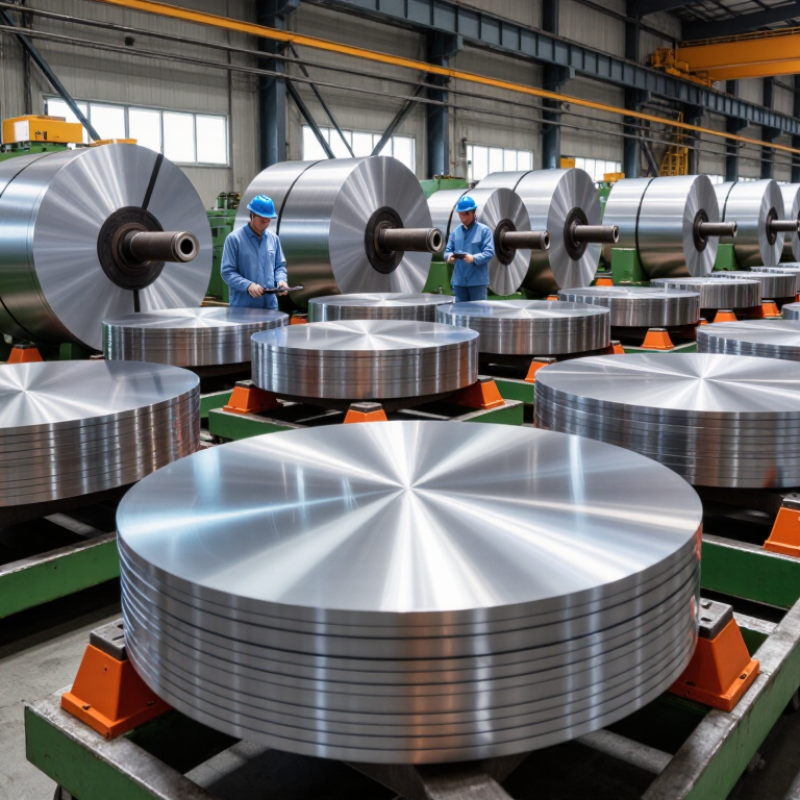
2026 Best Stainless Steel Plate Manufacturer?

Stainless Steel Plate Fundamentals: 304 Uses 18% Cr and 8% Ni

2026 Best Stainless Steel Plate Manufacturer?

Stainless steel plate selection starts with chemistry, not surface appearance. Type 304 commonly contains about 18% chromium and 8% nickel. Chromium forms a thin passive film that helps resist rust. Nickel improves ductility, toughness, and corrosion performance. The balance is mainly iron, with controlled carbon and other elements.

304 plate suits kitchen equipment, food-processing frames, storage tanks, architectural panels, and many indoor industrial parts. It welds well and accepts common forming methods. However, it is not the strongest choice for warm chloride environments, coastal splash zones, or concentrated chemicals. A bright surface can still conceal poor thickness control or unsuitable chemistry. That detail deserves attention.

Tips: Ask the manufacturer for a heat number, material test certificate, actual thickness report, and applicable standard. Check chromium and nickel values against the purchase specification. Inspect edges for laminations, deep scratches, and uneven cutting. For welded parts, confirm the required finish and post-weld cleaning method. Do not choose only by price. Lower cost may reflect weaker inspection or inconsistent flatness. I may be overly cautious, but a small sample test can prevent a costly fabrication mistake. A reliable supplier should explain tolerances clearly and answer technical questions without vague promises.

Stainless Steel Plate Fundamentals: 304 Uses 18% Cr and 8% Ni

Type 304 stainless steel is an austenitic grade commonly specified with approximately 18% chromium and 8% nickel. Chromium supports corrosion resistance by forming a passive oxide layer, while nickel helps stabilize the austenitic structure and improves formability.

Grade Selection: 316L Adds 2–3% Mo for Chloride Resistance

In chloride-bearing service, grade selection often decides whether a plate survives or stains early. 316L typically contains about 2–3% molybdenum, or Mo. That small addition matters. It improves resistance to pitting and crevice corrosion in saltwater, coastal air, and process brines. However, Mo is not a guarantee. Temperature, oxygen levels, deposits, and surface finish still influence performance.

When I review stainless steel plate for a project, I check the fluid before comparing prices. Seawater tanks, washdown zones, and chloride-rich chemical lines may justify 316L. For cleaner indoor service, 304L can sometimes meet the duty at lower cost. Do not choose by grade name alone. Mill certificates should confirm chemistry, tensile properties, thickness, and heat treatment. I also ask for test results from the actual heat, not a generic brochure.

Fabrication details deserve equal attention. Cut edges, weld discoloration, and trapped moisture can create weak points. Low carbon content helps 316L resist sensitization after welding, but correct procedures remain essential. Passivation and thorough cleaning are practical safeguards. One uncomfortable lesson is that overspecification can waste money, while underspecification can shorten service life. I have seen attractive surfaces fail because chloride deposits were ignored. A reliable supplier should explain limits, traceability, and inspection records clearly. Ask difficult questions.

Manufacturing Standards: ASTM A240, EN 10088, and ISO 9001

Choosing the 2026 best stainless steel plate manufacturer starts with evidence, not polished photographs. ASTM A240 defines requirements for stainless steel plate, sheet, and strip. It covers chemistry, mechanical properties, dimensions, and testing. EN 10088-2 adds European delivery conditions for flat products. These standards are not interchangeable in every project. Confirm the required grade, thickness, surface finish, and test method before ordering.

The International Stainless Steel Forum reported approximately 58.4 million tonnes of stainless crude steel production in 2023. Such scale increases the need for precise traceability. Ask for heat numbers, mill test certificates, and inspection records. Check whether the certificate matches the actual plate. Small details matter.

A practical audit lesson is simple: verify markings before fabrication, not after cutting. Sampling should also reflect the product’s intended service, especially for corrosive environments.

ISO 9001 supports controlled processes and documented corrective actions. ISO’s 2023 Survey recorded more than 1.26 million ISO 9001 certificates worldwide. Yet certification does not prove every plate is perfect. It proves that a management system exists. That assumption needs testing. Review calibration records, nonconformance handling, and complaint response times. A capable manufacturer should explain deviations clearly, without hiding behind certificates. The strongest choice combines ASTM A240 compliance, EN 10088 alignment, and ISO 9001 discipline with transparent evidence.

Quality Verification: PMI, Tensile Testing, and ±0.3 mm Tolerance

2026 Best Stainless Steel Plate Manufacturer?

Quality verification should begin before the plate reaches fabrication. A reliable manufacturer records the heat number, thickness, grade, and production route for every batch. PMI testing confirms the alloy chemistry at the plate surface. XRF is quick for nickel, chromium, and molybdenum checks. However, it may not measure carbon accurately. OES testing can provide deeper chemical detail when carbon content matters.

Tensile testing shows how the plate behaves under controlled force. Inspectors should review yield strength, tensile strength, and elongation results. The sample must represent the actual heat, not a convenient substitute. Dimensional inspection also requires care. Calibrated micrometers should check thickness at several locations, including edges and corners. A ±0.3 mm tolerance sounds precise, but the purchase specification must define the measuring method and reference points. One unchecked area can create trouble during forming.

Tips: Ask for PMI records, tensile reports, calibration dates, and heat traceability. Compare the report with the physical marking. Do not rely on a clean certificate alone. A rushed inspection can miss variation. Even experienced teams should question unusual results and repeat tests when sampling seems too limited. Some measurements look acceptable until the plate is cut, welded, or bent. That is where weak verification becomes expensive.

2026 Manufacturer Ranking: Capacity, Lead Time, MOQ, and Lifecycle Cost

2026 Best Stainless Steel Plate Manufacturer?

A credible 2026 ranking should measure more than annual sales. Capacity must reflect usable plate production, not only installed equipment. Reviewers should verify furnace output, rolling width, finishing lines, and monthly shipment records. A plant producing 20,000 tonnes monthly may still struggle with custom thicknesses. This detail matters.

Lead time deserves equal attention. Standard 304 plate may leave the mill within 10 to 18 days. Special grades, mirror finishes, or tight flatness requirements can require 30 to 60 days. Ask for recent order data, not optimistic quotations. Port distance, inspection queues, and export documentation can change delivery dates. Small delays become expensive.

MOQ often separates practical suppliers from impressive brochures. A flexible manufacturer may accept 5 to 10 tonnes for common sizes. Custom patterns may require a full heat or larger batch. The lowest MOQ is not always the lowest cost. Compare cutting loss, packaging, testing, freight, and replacement risk. Lifecycle cost includes corrosion performance, cleaning frequency, repair exposure, and expected service life. Stainless steel that costs more initially may reduce maintenance beside humid production floors.

A ranking can still mislead. Capacity figures may be seasonal, and lead-time promises may exclude testing. I would request mill certificates, sample inspection reports, and three comparable delivery references. Check the plate edge, surface, and thickness with your own instruments. Small measurement errors can become large fabrication problems. Judge evidence, not confidence.

2026 Best Stainless Steel Plate Manufacturer? - 2026 Manufacturer Ranking: Capacity, Lead Time, MOQ, and Lifecycle Cost

Rank Anonymous Manufacturer Profile Annual Stainless Plate Capacity
(Metric Tonnes)
Typical Lead Time
(Working Days)
Minimum Order Quantity
(Metric Tonnes)
Typical Thickness Range
(mm)
Available Grades On-Time Delivery
(%)
Lifecycle Cost Index
(Lower Is Better)
Best Fit
1 Integrated High-Volume Producer 500,000–1,500,000 20–35 20–50 3–300 304/304L, 316/316L, 321, 347, duplex 95–98 92–100 Large infrastructure and repeat programs
2 Regional Full-Service Mill 150,000–500,000 25–45 10–25 2–200 304/304L, 316/316L, 309, 310, 321 92–96 96–105 Industrial equipment and standard export orders
3 Specialty Alloy Producer 60,000–200,000 35–60 5–15 3–150 Duplex, super duplex, 254SMO, nickel-bearing grades 88–94 88–98 Chemical, marine, offshore and corrosive-service applications
4 Flexible Mid-Sized Manufacturer 30,000–120,000 15–35 2–10 1.5–100 304/304L, 316/316L, 310S, 321 85–92 102–115 Small and medium batches with varied dimensions
5 Stock-Based Service Center 10,000–60,000 5–20 0.5–5 1–50 Common 304/304L and 316/316L sizes 90–97 110–125 Urgent orders and low-volume maintenance requirements
Evaluation basis: This anonymized ranking uses industry benchmark ranges for stainless steel plate producers and service centers. The ranking weighs production capacity, delivery reliability, lead time, MOQ flexibility, grade coverage and normalized lifecycle cost. Lifecycle Cost Index uses 100 as the benchmark for a balanced procurement option and includes purchase price, freight, inspection, fabrication suitability, maintenance exposure and expected service life. Actual values vary by grade, thickness, surface finish, certification, quantity, destination and contract terms.
Copyright 2025 Fluidra S.A. | Created by BCM Marketing Agencia Privacy Policy Legal note | Cookie policy |

Technical cookies are strictly necessary for our website to work and you can navigate through it. These types of cookies are those that, for example, allow us to identify you, give you access to certain restricted parts of the page if necessary, or remember different options or services already selected by you, such as your privacy preferences. Therefore, they are activated by default, your authorization not being necessary in this regard. Through the configuration of your browser, you can block or alert the presence of this type of cookies, although such blocking will affect the proper functioning of the different functionalities of our website.


The analysis cookies allow us to study the navigation of the users of our website in general (for example, which sections of the page are the most visited, which services are used most and if they work correctly, etc.). From the statistical information on navigation on our website, we can improve both the operation of the page itself and the different services it offers. Therefore, these cookies do not have an advertising purpose, but only serve to make our website work better, adapting to our users in general. By activating them you will contribute to this continuous improvement. You can enable or disable these cookies by checking the corresponding box, being disabled by default.


Functionality cookies allow us to remember your preferences, to personalize certain characteristics and general options of our website, every time you access it (for example, the language in which the information is presented to you, the sections marked as favorites, your browser type, etc.) Therefore, this type of cookies does not have an advertising purpose, but by activating them you will improve the functionality of the website (for example, adapting to your type of browser) and the customization of it based on your preferences (for example, by presenting the information in the language that you have chosen in previous occasions), which will contribute to the ease, usability and comfort of our page during your navigation. You can enable or disable these cookies by checking the corresponding box, being disabled by default.


Advertising cookies allow us to manage the advertising spaces included in our website based on criteria such as the content shown or the frequency in which the ads are displayed. For example, if you have been shown the same ad several times on our website, and you have not shown a personal interest by clicking on it, it will not appear again. In summary, by activating this type of cookies, the advertising shown on our website will be more useful and diverse, and less repetitive. You can enable or disable these cookies by checking the corresponding box, being disabled by default.


Behavioral advertising cookies allow us to obtain information based on the observation of your browsing habits and behaviors on the web, in order to show you advertising content that best suits your personal tastes and interests. To understand it in a very simple way, we will give you a fictitious example: if your last searches on the web were related to suspense literature, we would show you advertising about suspense books. Therefore, activating this type of cookies, the advertising that we show you on our website will not be generic, but will be oriented to your searches, tastes and interests, therefore adjusting exclusively to you. You can enable or disable these cookies by checking the corresponding box, being disabled by default.
To understand it in a very simple way, we will give you a fictitious example: if your last searches on the web were related to suspense literature, we would show you advertising about suspense books. Therefore, activating this type of cookies, the advertising that we show you on our website will not be generic, but will be oriented to your searches, tastes and interests, therefore adjusting exclusively to you. You can enable or disable these cookies by checking the corresponding box, being disabled by default.

SAVE

We use our own and third-party cookies to ensure the proper functioning of the website and to analyse our services, improve your experience on our website and show you advertisements related to your interests according to profiling based on your browsing habits (e.g. websites visited). You can accept all cookies by clicking "ACCEPT" or set or reject them by clicking here. If you would like to know more about the use of cookies, please see our COOKIE POLICY.


ACCEPT ALL
Reject no essentials


