
2026 Best Potassium Sulfate Suppliers for Global Buyers
FLUID HANDLING EXPERTS

Blog, all our news

2026 Best Potassium Sulfate Suppliers for Global Buyers

Choosing reliable Potassium Sulfate suppliers requires more than comparing prices on a spreadsheet. Global buyers must examine product purity, potassium content, sulfur levels, particle size, packaging strength, and shipment consistency. These details affect fertigation systems, greenhouse crops, and chloride-sensitive plants. A wet or dusty product can create problems before it reaches the field.

Dr. Thomas Bruulsema, a recognized plant nutrition specialist, has emphasized, “Potassium supports crop quality as well as yield.” This principle matters when evaluating suppliers for 2026. Potassium Sulfate is valued for delivering potassium without adding chloride, especially in crops such as potatoes, tobacco, fruits, vegetables, and ornamental plants. Yet product quality can vary between factories. That point deserves more attention.

A dependable supplier should provide recent laboratory certificates, clear technical data sheets, batch traceability, and transparent origin information. Buyers should also confirm whether the material is suitable for granular application, water-soluble fertilizer production, or controlled fertigation. ISO-based quality systems can strengthen confidence, but certification alone never tells the whole story.

This guide reviews leading Potassium Sulfate suppliers for global buyers in 2026. It considers manufacturing capacity, export experience, logistics, documentation, technical support, and responsiveness. Freight routes may change. Costs may shift. Even strong suppliers can face delays during peak seasons.

That is why careful verification remains essential. Request samples. Test solubility. Check the fine print. A practical sourcing decision balances price, consistency, crop needs, and long-term reliability.
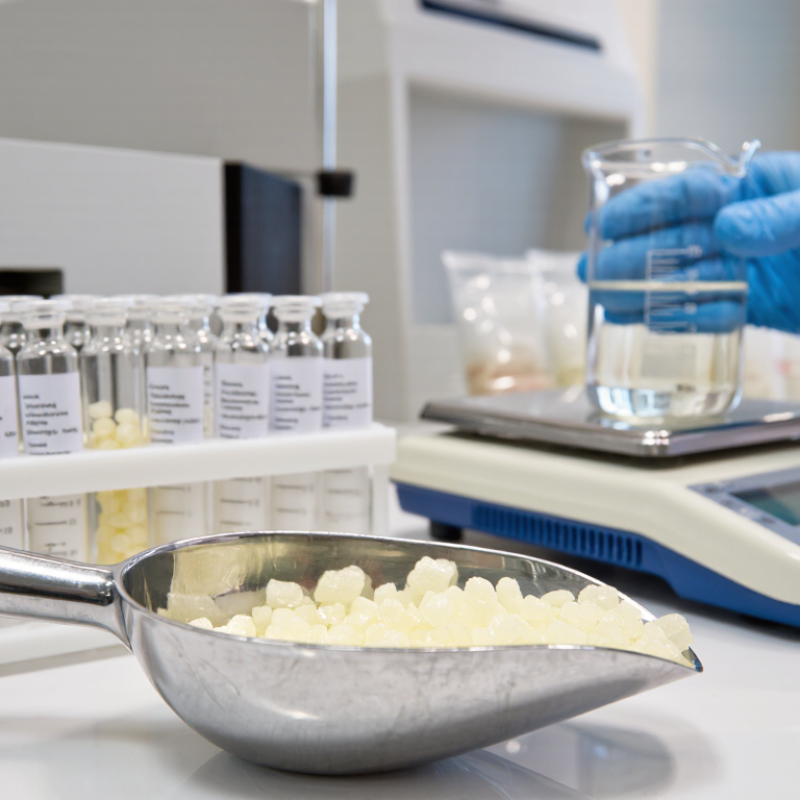
2026 Best Potassium Sulfate Suppliers for Global Buyers

Potassium Sulfate: Definition, Uses, and Global Market Role

Potassium sulfate, commonly called SOP, is a crystalline fertilizer containing potassium and sulfur. Its formula is K2SO4. Unlike potassium chloride, it adds little chloride to the soil. This matters for crops such as tobacco, potatoes, grapes, vegetables, and some greenhouse plants. Farmers often apply it through soil blending, fertigation, or carefully measured top dressing.

Its market role extends beyond a simple fertilizer sale. Potassium supports water regulation, crop strength, and fruit quality. Sulfur helps plants form proteins and enzymes. Global buyers may receive SOP in 25-kilogram bags, one-ton bulk bags, or vessel-sized shipments. Granule size, moisture, solubility, and dust levels can affect field performance. A practical buyer should request a current certificate of analysis, safety data sheet, origin details, and independent test results.

Supply conditions vary by region and production route. Some material comes from natural mineral processing, while other material uses chemical conversion methods. Freight costs, port congestion, energy prices, and seasonal demand can change delivered prices quickly. The market is not perfectly transparent. No supplier is perfect. I would compare at least three offers and check whether laboratory values match the shipment. A low price may hide excessive fines, delayed delivery, or unsuitable packaging. Careful sampling remains important, especially when the product crosses several borders.

Key Criteria for Evaluating Potassium Sulfate Suppliers

2026 Best Potassium Sulfate Suppliers for Global Buyers

Key Criteria for Evaluating Potassium Sulfate Suppliers

For global buyers, supplier evaluation should begin with product evidence, not a low quotation. The International Fertilizer Association’s 2024 Medium-Term Fertilizer Outlook projects global fertilizer demand above 200 million tonnes of nutrients annually through 2028. That scale makes consistency essential. A qualified potassium sulfate supplier should disclose potassium content, sulfur content, chloride, moisture, insoluble matter, and particle-size distribution. Standard SOP products usually contain about 50% K2O and 17–18% sulfur. Request lot-specific certificates of analysis and independent laboratory results. A polished certificate is not proof. Test a retained sample.

Supply resilience also deserves careful review. The USGS Mineral Commodity Summaries 2025 indicates that potash production remains concentrated among a limited number of countries. Buyers should examine actual production capacity, backup facilities, export experience, port access, and average lead times. Ask for shipment records, packaging photographs, and a clear response plan for delayed cargo. Check whether bags arrive dry and intact, especially after humid sea transport. Small details matter.

Commercial terms can hide technical weaknesses. Compare chloride limits, delivery tolerances, payment security, inspection rights, and claims procedures. A supplier may offer excellent pricing but inconsistent granulation. That mistake can damage fertilizer blending and field application. Personally, I would audit quality systems before negotiating volume. Still, audits are not perfect; occasional retesting remains necessary.

Regional Overview of Leading Supplier Markets in 2026

In 2026, potassium sulfate supply remains regionally concentrated. China offers broad conversion capacity and competitive export logistics, especially from coastal industrial zones. Europe remains important for high-purity grades, supported by established Mannheim-process facilities and strict product controls. The Middle East and North Africa are developing, but their supply is less consistent.

Chile and parts of southern Europe contribute natural potassium sulfate resources. North America relies more heavily on imports, although local distributors provide dependable warehouse coverage. The International Fertilizer Association’s Medium-Term Fertilizer Outlook 2024–2028 expects global fertilizer demand to approach 197 million tonnes of nutrients by 2028. That wider demand supports SOP consumption in fruit, vegetable, and chloride-sensitive crop markets. USGS reporting also shows that global potash production exceeds 70 million tonnes annually, but sulfate-specific output is much smaller and less transparent. That distinction matters. Some trade statistics combine potassium sulfate with other potash products, creating misleading comparisons.

Tips: Compare origin, assay, moisture, particle size, and delivery terms. Ask for recent independent laboratory results. A bright white product is not proof of quality. Check whether the supplier can maintain supply during port congestion or seasonal demand. I would also review two years of shipment records, not only a polished quotation. Regional pricing can look attractive, yet inland freight may quietly erase the saving. Supplier databases are useful, but they are not perfect; verify production claims through customs data, certificates, and direct facility evidence.

Product Quality, Certifications, Packaging, and Shipping Options

2026 Best Potassium Sulfate Suppliers for Global Buyers

For global buyers, potassium sulfate quality begins with consistent chemical analysis, not attractive sales language. Ask for a recent certificate of analysis covering potassium, sulfate, moisture, chloride, and insoluble matter. Granule size also matters. Uniform particles spread more evenly and reduce dust during farm application.

Look for suppliers with documented quality systems, such as ISO 9001, when available. Product certificates should match the actual shipment, not a generic sample. A safety data sheet, technical data sheet, and batch traceability record improve purchasing confidence. I have seen buyers focus heavily on price, then discover excessive fines during unloading. That mistake can affect storage, blending, and field performance.

Packaging should suit the route and local climate. Common choices include moisture-resistant 25-kilogram bags, flexible intermediate bulk containers, and bulk loading. Confirm liner quality, pallet treatment, stitching strength, and container weight limits before signing. Small details matter.

Shipping options may include ocean freight, rail, truck delivery, or multimodal transport. Request clear Incoterms, loading photographs, estimated transit times, and container ventilation details. Port congestion can change schedules. Allow practical buffer time. Suppliers should also explain export documents, certificate requirements, and destination customs expectations. No supplier gets every shipment perfect, so responsive communication and transparent corrective procedures are valuable. A pre-shipment inspection may cost more, but it can reveal damaged bags, inconsistent granules, or incorrect labels before departure.

2026 Best Potassium Sulfate Suppliers for Global Buyers

Product quality benchmarks for agricultural-grade potassium sulfate (SOP), based on commonly specified commercial ranges.

Commercial potassium sulfate commonly contains approximately 50–52% K₂O and 17–18% sulfur, with moisture typically controlled below 1%. Buyers should verify certificates of analysis, applicable ISO or product-quality certifications, packaging such as 25 kg or 50 kg bags and 500–1,000 kg big bags, and shipping availability by bulk vessel, container, or palletized cargo.

How Global Buyers Can Select and Work With the Right Supplier

Selecting the right potassium sulfate supplier requires more than comparing quoted prices. Global buyers should verify potassium content, sulfur levels, chloride limits, moisture, particle size, and product consistency. A reliable supplier should provide recent certificates of analysis and batch traceability. Request independent test results when crop sensitivity or regulatory requirements are strict. Do not accept vague specifications.

Evaluate production capacity, packaging quality, export experience, and delivery reliability together. Ask how the supplier protects bags from humidity during port storage and ocean transport. Confirm production schedules, minimum order quantities, payment terms, Incoterms, and claims procedures before signing. A factory audit, video inspection, or documented quality system can reveal gaps hidden in sales materials. Small details matter.

Communication after the order is equally important. The supplier should answer technical questions clearly and report delays early. Keep approved samples, inspection records, loading photos, and agreed specifications in one file. This reduces disputes when different laboratories produce slightly different results. In practice, the cheapest offer may create higher costs through rejected cargo or missed planting windows. I have learned that trust needs evidence, not confident promises. Yet even a careful supplier can make mistakes, so buyers should keep backup logistics options and review performance after every shipment.

Copyright 2025 Fluidra S.A. | Created by BCM Marketing Agencia Privacy Policy Legal note | Cookie policy |

Technical cookies are strictly necessary for our website to work and you can navigate through it. These types of cookies are those that, for example, allow us to identify you, give you access to certain restricted parts of the page if necessary, or remember different options or services already selected by you, such as your privacy preferences. Therefore, they are activated by default, your authorization not being necessary in this regard. Through the configuration of your browser, you can block or alert the presence of this type of cookies, although such blocking will affect the proper functioning of the different functionalities of our website.


The analysis cookies allow us to study the navigation of the users of our website in general (for example, which sections of the page are the most visited, which services are used most and if they work correctly, etc.). From the statistical information on navigation on our website, we can improve both the operation of the page itself and the different services it offers. Therefore, these cookies do not have an advertising purpose, but only serve to make our website work better, adapting to our users in general. By activating them you will contribute to this continuous improvement. You can enable or disable these cookies by checking the corresponding box, being disabled by default.


Functionality cookies allow us to remember your preferences, to personalize certain characteristics and general options of our website, every time you access it (for example, the language in which the information is presented to you, the sections marked as favorites, your browser type, etc.) Therefore, this type of cookies does not have an advertising purpose, but by activating them you will improve the functionality of the website (for example, adapting to your type of browser) and the customization of it based on your preferences (for example, by presenting the information in the language that you have chosen in previous occasions), which will contribute to the ease, usability and comfort of our page during your navigation. You can enable or disable these cookies by checking the corresponding box, being disabled by default.


Advertising cookies allow us to manage the advertising spaces included in our website based on criteria such as the content shown or the frequency in which the ads are displayed. For example, if you have been shown the same ad several times on our website, and you have not shown a personal interest by clicking on it, it will not appear again. In summary, by activating this type of cookies, the advertising shown on our website will be more useful and diverse, and less repetitive. You can enable or disable these cookies by checking the corresponding box, being disabled by default.


Behavioral advertising cookies allow us to obtain information based on the observation of your browsing habits and behaviors on the web, in order to show you advertising content that best suits your personal tastes and interests. To understand it in a very simple way, we will give you a fictitious example: if your last searches on the web were related to suspense literature, we would show you advertising about suspense books. Therefore, activating this type of cookies, the advertising that we show you on our website will not be generic, but will be oriented to your searches, tastes and interests, therefore adjusting exclusively to you. You can enable or disable these cookies by checking the corresponding box, being disabled by default.
To understand it in a very simple way, we will give you a fictitious example: if your last searches on the web were related to suspense literature, we would show you advertising about suspense books. Therefore, activating this type of cookies, the advertising that we show you on our website will not be generic, but will be oriented to your searches, tastes and interests, therefore adjusting exclusively to you. You can enable or disable these cookies by checking the corresponding box, being disabled by default.

SAVE

We use our own and third-party cookies to ensure the proper functioning of the website and to analyse our services, improve your experience on our website and show you advertisements related to your interests according to profiling based on your browsing habits (e.g. websites visited). You can accept all cookies by clicking "ACCEPT" or set or reject them by clicking here. If you would like to know more about the use of cookies, please see our COOKIE POLICY.


ACCEPT ALL
Reject no essentials


