2026 Best Irrigation Valve Boxes for Global Buyers?
FLUID HANDLING EXPERTS

Blog, all our news

2026 Best Irrigation Valve Boxes for Global Buyers?

Choosing the right irrigation valve boxes in 2026 requires more than comparing prices and dimensions. Global buyers must examine soil conditions, climate exposure, traffic loads, installation depth, and local project requirements. A box placed beside a busy driveway faces different risks than one installed in a quiet lawn.

This guide evaluates practical options for contractors, distributors, landscape professionals, and infrastructure buyers. It considers durable polypropylene, reinforced polymer, and concrete-compatible designs. Important details include lid strength, hinge quality, drainage behavior, UV resistance, and access for maintenance tools. In field applications, a poorly fitted lid can rattle, collect debris, or become difficult to remove after seasonal ground movement.

Small details matter.

Reliable selection also depends on supply consistency. Buyers should verify technical datasheets, manufacturing tolerances, packaging quality, replacement availability, and realistic delivery capacity. Products should be reviewed against applicable regional standards and project specifications, rather than judged by marketing claims alone. A low-cost model may appear efficient, yet fragile hinges or weak lids can increase maintenance expenses.

No box is perfect. Even experienced buyers can overlook freezing conditions, compacted soil, or unexpected vehicle access. Therefore, this overview compares performance, installation practicality, lifecycle value, and supplier reliability across international purchasing scenarios. The goal is not to promote one universal design, but to help buyers make clearer decisions with evidence, measured expectations, and fewer costly surprises.
2026 Best Irrigation Valve Boxes for Global Buyers?

What Are Irrigation Valve Boxes and Why Do They Matter?

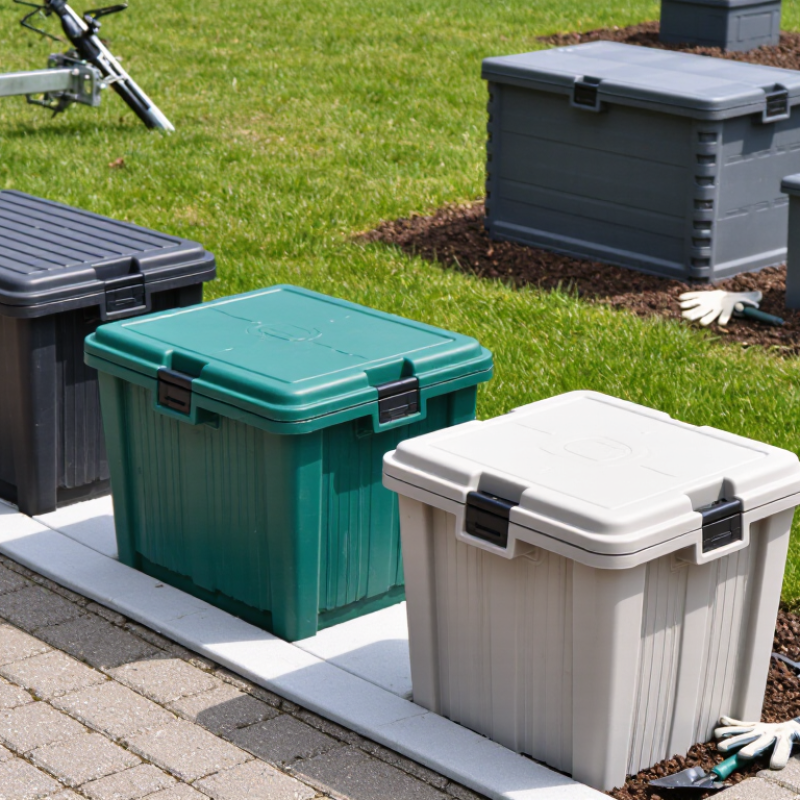
Irrigation valve boxes are ground-level enclosures that protect control valves, filters, and fittings. They provide access for inspection, repairs, and seasonal adjustment. Without a box, buried valves face soil pressure, mower damage, standing water, and accidental impact. A cracked lid can also become a small safety hazard.

Their importance grows as water systems become more carefully managed. FAO AQUASTAT reports that agriculture accounts for about 70% of global freshwater withdrawals. A valve box cannot reduce water use by itself. However, it helps technicians find leaks, replace damaged parts, and adjust irrigation zones quickly. The U.S. EPA WaterSense program also emphasizes regular system maintenance for efficient irrigation. In field work, accessible components usually mean faster troubleshooting. That practical advantage is easy to underestimate. I have seen a clean installation fail because drainage was ignored.

Tips: Choose a box with enough internal clearance for hand tools. Match the lid strength to traffic conditions. Use a gravel base where soil drains poorly. Keep the lid visible, level, and free from turf. Check for sediment after heavy rain. A larger box is not always better, but an overly tight box creates frustrating repairs.

Key Types of Irrigation Valve Boxes for Different Applications

2026 Best Irrigation Valve Boxes for Global Buyers?

Key Types of Irrigation Valve Boxes for Different Applications

Rectangular valve boxes suit projects with several valves, filters, or pressure regulators. Their wider opening gives technicians more room for inspection and repairs. Round boxes work well for single valves in narrow planting beds. They use less surface space and often resist soil pressure evenly. Shallow boxes fit drip irrigation lines near the surface. Deep boxes protect larger assemblies below lawns, sports fields, and public landscapes. Measure the valve height carefully. A tight box turns routine maintenance into an awkward job.

Material also affects application choice. Reinforced polymer boxes are lightweight, corrosion-resistant, and practical for residential gardens or commercial landscapes. Concrete boxes provide strong support where heavy equipment may cross the surface. Load-rated covers are important near driveways, parking areas, and pedestrian routes. They need correct installation, not just a stronger label. Poor bedding can cause cracking or sinking.

Drainage matters in every type. A gravel base can reduce standing water around electrical connections and metal components. However, drainage openings may allow soil or insects to enter in some locations. Fine mesh or a suitable filter can help, but it may require cleaning. Global buyers should check local load requirements, dimensions, UV exposure, and temperature ranges before ordering. I would avoid choosing by price alone. A slightly oversized box is often easier to service, although excessive space can collect debris and waste installation material. Field conditions are rarely perfect. 豪泰一

How to Choose the Right Valve Box for Global Projects

Choosing a valve box for a global irrigation project starts with the site, not the catalog. Soil, traffic, rainfall, and maintenance routines vary across regions. A box beside a greenhouse may need different protection from one beneath a public walkway. Measure valve dimensions, pipe entry points, and working clearance before ordering. Small errors become expensive when crews and replacement parts are already in transit.

For heavy soil or frequent flooding, select a box with strong walls, planned drainage, and a cover that resists shifting. In sandy ground, check whether the body needs anchoring or a wider base. Covers should support expected pedestrian or vehicle loads. Their ratings must match actual installation conditions. UV-resistant materials help in exposed sites, while cold regions require better impact strength. I have seen projects fail because the box fit the valve but left no room for a wrench.

Global buyers should verify drawings, material data, load classifications, and dimensional tolerances with suppliers. Ask how the material and hardware perform after repeated opening. Confirm packaging dimensions too. Oversized cartons can sharply increase freight costs. Local installers should review the design, because distant specifications may miss soil movement or drainage problems. No selection is perfect. Recheck access after pipes settle, and record what the field crew would change next time.

2026 Best Irrigation Valve Boxes for Global Buyers? - How to Choose the Right Valve Box for Global Projects

Selection Dimension Recommended Option Typical Technical Range Best Project Application Global Buying Considerations
Box Material Glass-fiber-reinforced polypropylene or recycled polymer Common wall thickness: approximately 3–8 mm; non-corrosive construction Residential landscapes, municipal irrigation, commercial grounds and agricultural zones Confirm UV stabilization, recycled-content documentation and resistance to fertilizer, salt and common soil chemicals.
Box Shape Rectangular box for multiple valves; round box for compact single-valve installations Typical internal widths: 150–600 mm; typical depths: 200–500 mm Rectangular designs suit valve manifolds; round designs suit isolated valves or compact drip systems. Check local excavation equipment, pipe routing, valve spacing and available replacement-cover sizes.
Load Class Pedestrian-duty, landscape-duty or traffic-rated cover selected according to site exposure Light-duty covers may support foot traffic; reinforced covers can be specified for driveways and service areas. Pedestrian paths, lawns, parking areas and roads require different structural designs. Do not select by appearance alone. Verify the tested load rating, support frame and applicable local standard.
Cover Design Lockable, recessed or textured cover with an identification marking Common features include lift slots, anti-slip textures and removable fasteners. Public areas, schools, parks and installations requiring controlled access Confirm tool type, replacement-cover availability, tamper resistance and compatibility with local maintenance procedures.
Valve Capacity Select internal clearance based on the number and size of valves, fittings and cable bends Typical irrigation valve sizes: 20–100 mm nominal pipe connection range Single-zone systems, multi-zone manifolds, filtration assemblies and pressure-control installations Allow working clearance around unions, solenoids, filters and wiring; avoid forcing valves into the box.
Drainage Open-bottom box installed over a properly prepared gravel drainage base Drainage layer commonly uses washed aggregate; depth depends on soil permeability and groundwater conditions. Most buried irrigation installations where standing water could damage valves or electrical connections In clay, high-water-table or flood-prone soils, design additional drainage rather than relying only on box openings.
Water Ingress Control Use a well-fitted cover and raised installation profile where surface runoff is expected Valve boxes are generally ventilated and are not intended to be fully watertight enclosures. Rainfall zones, landscaped slopes and sites exposed to irrigation overspray Review flood risk, finished-grade requirements and local rules for drainage discharge.
Temperature Performance UV-stabilized polymer suitable for the project climate Many polymer products are specified for approximately −20°C to +60°C service environments, subject to design verification. Hot, sunny regions, freeze-prone areas and locations with large seasonal temperature changes Ask for tested impact, brittleness and UV-aging information for the intended climate.
Freeze Protection Drainable layout with adequate burial depth and accessible shutoff points Required burial depth varies by local frost line, soil and pipe material; the box itself does not prevent freezing. Temperate and cold climates with seasonal frost Coordinate valve-box depth with local frost-depth guidance and winterization procedures.
Installation Depth Set the cover level with the finished surface while keeping valves reachable Typical box depths range from approximately 150–600 mm, depending on valve assembly and site conditions. Lawns, planting beds, hardscape borders and utility corridors Prevent buried covers, trip hazards and settlement by coordinating excavation, bedding and final grading.
Pipe Entry Field-cut openings or preformed knockouts sized for the selected pipework Common irrigation pipe materials include PVC, polyethylene and flexible tubing. Projects using different pipe standards or mixed connection systems Confirm metric or inch-based dimensions, fitting clearance and pipe-entry orientation before ordering.
Electrical Compatibility Adequate space for solenoids, low-voltage wiring, connectors and conduit bends Many irrigation control systems use low-voltage solenoid circuits; connector protection remains essential. Automatic irrigation systems and remotely controlled valve manifolds Use connectors and conduit practices approved for wet or underground locations in the destination market.
Color and Visibility Green or earth-tone cover for landscape integration; contrasting marking where visibility is important Color is primarily an identification and aesthetic feature, not a substitute for load rating. Parks, golf courses, residential gardens and public utility areas Check local requirements for utility identification, accessibility and color coding.
Maintenance Access Removable cover with unobstructed access to all service components Provide clearance for hand tools, valve adjustment, filter cleaning and seasonal inspection. Large commercial landscapes, sports fields and municipal irrigation networks Consider local labor practices, service frequency, spare-part logistics and cover lifting requirements.
Standards and Documentation Product with dimensional drawings, material information, load-test evidence and installation instructions Required documentation depends on the country, project owner, road authority and installation environment. Public infrastructure, international tenders and projects requiring formal submittals Request multilingual technical files, harmonized units, test methods, packaging details and traceability information.
Shipping Efficiency Nestable boxes and stackable covers with protected edges Freight volume is often determined by product nesting, pallet layout and packaging protection rather than product weight alone. Cross-border procurement and large-volume infrastructure projects Compare packed dimensions, container utilization, moisture protection, customs classification and replacement-part availability.
Best Overall Selection Method Choose by site load, internal clearance, drainage, climate, access and local compliance—not by price alone A suitable specification should match the valve assembly, finished grade, soil conditions and expected maintenance cycle. Global projects with varied climates, standards and installation practices Approve a dimensional sample or technical submittal before mass purchasing whenever project risk is high.

Note: Technical ranges shown above are general planning references for irrigation valve-box selection. Final dimensions, load ratings, temperature limits and compliance requirements must be verified against the project drawings, local regulations and the selected product documentation.

Essential Materials, Sizes, Features, and Performance Standards

For global buyers in 2026, irrigation valve boxes should be selected by soil, traffic, climate, and service depth. Agriculture represents about 70% of global freshwater withdrawals, according to the UN World Water Development Report 2023. Small design choices can therefore affect maintenance and water efficiency.

Recycled polypropylene or HDPE suits many landscaped areas because these materials resist corrosion, moisture, and common soil chemicals. Polymer concrete offers greater stiffness for deeper installations and heavier ground loads. In vehicle-access zones, specify a reinforced cover and verify its tested load class. EN 124 classifications, from A15 to F900, provide a useful reference where applicable. However, a rating alone is not enough.

Measure the valve, fittings, and operating clearance before choosing the box. Common internal widths range from about 150 to 600 millimeters, but local standards differ. The box should allow a wrench to turn freely, without touching the walls. Telescoping risers help on uneven ground. Lockable covers improve security in public landscapes. Drainage openings reduce standing water, although poor soil can still cause flooding.

Field experience exposes a common weakness: thin covers deform under repeated loading. It happens. UV resistance, ribbed walls, visible identification, and replaceable covers are practical safeguards. Buyers should request material data, dimensional drawings, load-test results, and temperature limits. ISO 9001 certification supports process control, but it does not prove long-term field performance. Independent testing and installation records remain more convincing.

Installation, Maintenance, and International Purchasing Considerations

2026 Best Irrigation Valve Boxes for Global Buyers?

A reliable valve box starts with correct site measurement. Check valve size, pipe alignment, cover clearance, and soil depth before ordering. A box that looks spacious may become difficult to service after backfilling. Leave enough working room for gloved hands and removable fittings. Use a stable base of compacted gravel, especially in wet or clay-heavy soil. Keep the cover level with the finished surface, not the temporary ground level. This small detail prevents trip hazards and mower damage.

Material selection depends on climate and traffic. Reinforced polymer resists corrosion, while heavy-duty covers suit driveways or public areas. In freezing regions, allow drainage beneath the box and avoid trapping water around the valve. In hot climates, check ultraviolet resistance and cover distortion limits. Inspect the enclosure during routine irrigation checks. Remove soil, roots, and standing water before they hide leaks. Confirm that the lid remains secure after repeated opening.

International buyers should compare metric and imperial dimensions carefully. Request technical drawings, wall thickness, load ratings, color specifications, and packing details before payment. Confirm whether the product tolerates local temperature ranges and installation practices. Ask for material declarations and test reports where projects require them. Shipping costs can rise sharply when covers are packed inefficiently. Customs descriptions must match the actual product. A mistake I still see is choosing the lowest unit price, then discovering incompatible pipe spacing. No checklist catches every site mismatch.

Copyright 2025 Fluidra S.A. | Created by BCM Marketing Agencia Privacy Policy Legal note | Cookie policy |

Technical cookies are strictly necessary for our website to work and you can navigate through it. These types of cookies are those that, for example, allow us to identify you, give you access to certain restricted parts of the page if necessary, or remember different options or services already selected by you, such as your privacy preferences. Therefore, they are activated by default, your authorization not being necessary in this regard. Through the configuration of your browser, you can block or alert the presence of this type of cookies, although such blocking will affect the proper functioning of the different functionalities of our website.


The analysis cookies allow us to study the navigation of the users of our website in general (for example, which sections of the page are the most visited, which services are used most and if they work correctly, etc.). From the statistical information on navigation on our website, we can improve both the operation of the page itself and the different services it offers. Therefore, these cookies do not have an advertising purpose, but only serve to make our website work better, adapting to our users in general. By activating them you will contribute to this continuous improvement. You can enable or disable these cookies by checking the corresponding box, being disabled by default.


Functionality cookies allow us to remember your preferences, to personalize certain characteristics and general options of our website, every time you access it (for example, the language in which the information is presented to you, the sections marked as favorites, your browser type, etc.) Therefore, this type of cookies does not have an advertising purpose, but by activating them you will improve the functionality of the website (for example, adapting to your type of browser) and the customization of it based on your preferences (for example, by presenting the information in the language that you have chosen in previous occasions), which will contribute to the ease, usability and comfort of our page during your navigation. You can enable or disable these cookies by checking the corresponding box, being disabled by default.


Advertising cookies allow us to manage the advertising spaces included in our website based on criteria such as the content shown or the frequency in which the ads are displayed. For example, if you have been shown the same ad several times on our website, and you have not shown a personal interest by clicking on it, it will not appear again. In summary, by activating this type of cookies, the advertising shown on our website will be more useful and diverse, and less repetitive. You can enable or disable these cookies by checking the corresponding box, being disabled by default.


Behavioral advertising cookies allow us to obtain information based on the observation of your browsing habits and behaviors on the web, in order to show you advertising content that best suits your personal tastes and interests. To understand it in a very simple way, we will give you a fictitious example: if your last searches on the web were related to suspense literature, we would show you advertising about suspense books. Therefore, activating this type of cookies, the advertising that we show you on our website will not be generic, but will be oriented to your searches, tastes and interests, therefore adjusting exclusively to you. You can enable or disable these cookies by checking the corresponding box, being disabled by default.
To understand it in a very simple way, we will give you a fictitious example: if your last searches on the web were related to suspense literature, we would show you advertising about suspense books. Therefore, activating this type of cookies, the advertising that we show you on our website will not be generic, but will be oriented to your searches, tastes and interests, therefore adjusting exclusively to you. You can enable or disable these cookies by checking the corresponding box, being disabled by default.

SAVE

We use our own and third-party cookies to ensure the proper functioning of the website and to analyse our services, improve your experience on our website and show you advertisements related to your interests according to profiling based on your browsing habits (e.g. websites visited). You can accept all cookies by clicking "ACCEPT" or set or reject them by clicking here. If you would like to know more about the use of cookies, please see our COOKIE POLICY.


ACCEPT ALL
Reject no essentials