
2026 Top Drip Hose Types for Global Buyers?
FLUID HANDLING EXPERTS

Blog, all our news

2026 Top Drip Hose Types for Global Buyers?

Water efficiency is no longer a regional concern for agricultural buyers. FAO AQUASTAT reports that agriculture accounts for roughly 70% of global freshwater withdrawals. This pressure makes efficient irrigation equipment increasingly important. Drip Hose systems deliver water near the root zone, reducing surface evaporation and unnecessary wetting. However, performance depends on filtration, pressure control, water quality, and installation discipline.

Water changes everything. A vegetable grower in Spain may prefer thin-wall inline hose for seasonal beds. A greenhouse operator in the Middle East may require pressure-compensating emitters and stronger filtration. Orchard managers often select durable round hose for repeated installation. Porous and soaker designs can suit landscaping, nurseries, and low-pressure applications, but clogging remains a practical risk. The World Bank and FAO both emphasize that irrigation efficiency requires more than equipment selection; management and maintenance are equally important. Industry forecasts, including MarketsandMarkets’ drip irrigation research, indicate continued market expansion through the decade. Yet published estimates differ because definitions, regions, and product categories are not always consistent. Numbers need context. This 2026 guide compares major Drip Hose types through buyer-focused criteria, including emitter spacing, wall thickness, operating pressure, UV resistance, recyclability, and expected service life. It also considers regional standards, spare-part access, and total ownership cost. Some recommendations will remain conditional. That is intentional. The lowest purchase price may become expensive after repeated flushing, repairs, or uneven crop growth. Global buyers need evidence from field trials, technical datasheets, and verified supplier experience before committing to volume orders.
2026 Top Drip Hose Types for Global Buyers?

What Is a Drip Hose and How Does It Work?

What Is a Drip Hose and How Does It Work?

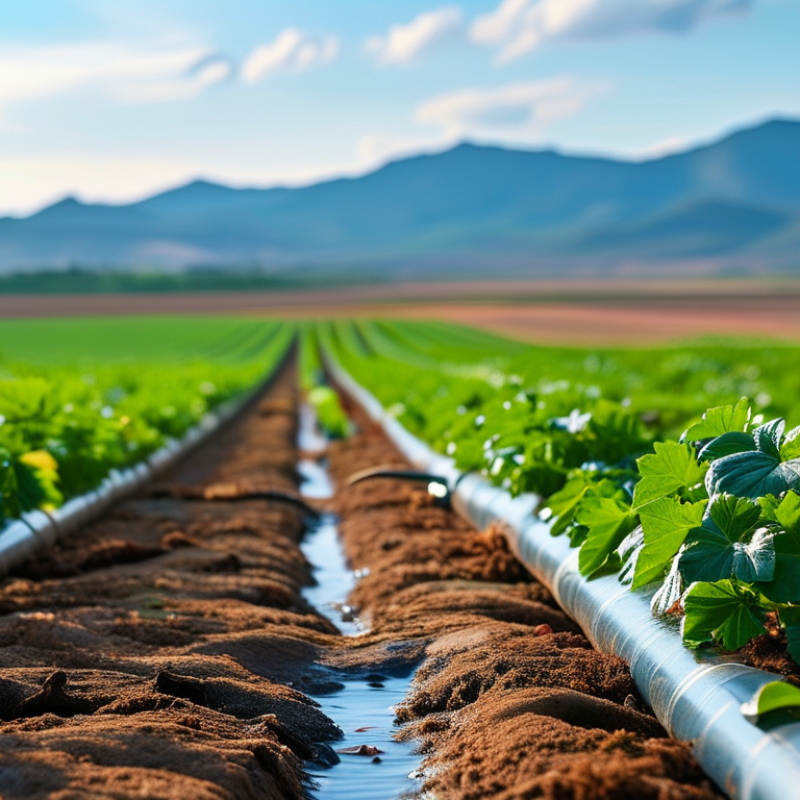
A drip hose is a flexible irrigation line that delivers water slowly near plant roots. Unlike a sprinkler, it wets a narrow strip instead of the entire field. Small outlets, called emitters, release measured water through the hose wall. Common spacing includes 20, 30, or 40 centimeters, depending on crop needs.

Water enters through a filter, pressure regulator, and main connector. The filter protects emitters from sand, algae, and other particles. The regulator keeps pressure stable, often between 0.7 and 1.2 bar for low-pressure systems. Inside the hose, water moves along the tube and exits through each emitter. Pressure-compensating emitters help maintain similar flow on sloping ground. Non-compensating types usually suit level beds and shorter runs.

Farm inspections show that installation quality matters as much as hose selection. Lay the line with emitters facing upward or sideways, not directly into loose soil. Flush the open ends before closing them. Tiny debris can reduce flow within days. Check wetting patterns after irrigation; dry patches may indicate clogged outlets, excessive length, or weak pressure. It is easy to overwater when the surface looks dry. Roots may still be receiving enough moisture below. Porous hoses can work well for garden rows, but their output may become uneven over time. That limitation deserves attention. Temperature, water quality, crop spacing, and sunlight exposure should guide the final hose choice.

2026 Top Drip Hose Types for Global Buyers? - What Is a Drip Hose and How Does It Work?

A drip hose is a low-pressure irrigation tube that delivers water directly to the soil near plant roots through built-in emitters, perforations, or porous walls. The following comparison summarizes common drip hose types and typical technical ranges used in agricultural, horticultural, landscape, and residential irrigation projects.

Drip Hose Type Typical Construction Common Diameter / Thickness Outlet or Emitter Pattern Typical Operating Pressure Typical Flow Best-Fit Applications Main Buying Considerations
Drip Tape Thin-wall polyethylene tape with factory-formed labyrinth emitters 16–22 mm outside diameter; approximately 0.10–0.38 mm wall thickness 10–60 cm spacing; pressure-compensating versions are less common About 0.4–0.8 bar Approximately 0.6–1.6 L/h per outlet Annual vegetables, row crops, nurseries, and short seasonal projects Low purchase cost, careful filtration, installation handling, and seasonal replacement
Thin-Wall Inline Dripline Flexible polyethylene tubing with integrated non-pressure-compensating emitters 12–20 mm outside diameter; approximately 0.40–0.70 mm wall thickness 15–60 cm spacing; commonly 0.6–2.0 L/h emitters About 0.6–1.0 bar Approximately 0.6–2.0 L/h per emitter Vegetable beds, greenhouse crops, flower beds, and small orchards Good balance of cost and durability; check maximum lateral length and slope sensitivity
Thick-Wall Inline Dripline Heavy polyethylene tubing with integrated emitters designed for repeated use 16–25 mm outside diameter; approximately 0.90–1.50 mm wall thickness 20–100 cm spacing; pressure-compensating or non-compensating options About 0.8–1.5 bar Approximately 0.8–3.0 L/h per emitter Orchards, vineyards, perennial crops, landscapes, and multi-season systems Higher initial cost but improved resistance to handling, sunlight, and repeated installation
Pressure-Compensating Dripline Polyethylene tubing with pressure-compensating diaphragm emitters 16–25 mm outside diameter; usually 0.80–1.50 mm wall thickness 30–100 cm spacing; stable nominal flow over a defined pressure range About 0.8–3.5 bar, depending on emitter design Approximately 1.0–3.8 L/h per emitter Sloping land, long rows, orchards, vineyards, and uneven terrain Higher uniformity, but buyers should verify pressure range, flushing design, and filtration requirements
Online Emitter Hose Plain polyethylene tubing fitted with separate barbed or inserted emitters 12–25 mm outside diameter; wall thickness commonly 0.70–1.50 mm Emitter locations can be customized; typical spacing is 20–150 cm About 0.7–2.5 bar Approximately 1.0–8.0 L/h per emitter Container plants, irregular plant spacing, landscaping, and retrofit systems Flexible layout and easy repair; requires careful punching, fitting, and emitter placement
Porous Soaker Hose Porous rubber, recycled elastomer, or porous polymer wall that releases water continuously 12–19 mm outside diameter; wall thickness varies by material Continuous seepage rather than fixed emitters About 0.3–0.7 bar Flow is commonly specified per hose length rather than per emitter Home gardens, raised beds, borders, and short low-pressure runs Simple installation, but water distribution can vary with pressure, hose length, and terrain
Subsurface Dripline Buried polyethylene dripline with integrated emitters and root-intrusion protection options 16–25 mm outside diameter; approximately 0.90–1.50 mm wall thickness 20–60 cm spacing for many row-crop and landscape designs About 0.8–2.0 bar Approximately 0.8–2.3 L/h per emitter Turf, permanent beds, orchards, vineyards, and water-conservation projects Requires filtration, flushing, accurate depth control, leak detection, and root-management planning
Micro-Tubing with Remote Emitters Small distribution tubing connected to adjustable, button, or pot emitters 3–8 mm outside diameter distribution tubing One or more remote emitters per plant or container About 0.7–2.0 bar Approximately 0.5–8.0 L/h per outlet Greenhouses, nurseries, hanging baskets, containers, and mixed plant layouts Very precise placement; inspect connectors and outlets regularly for clogging or disconnection
Buyer’s technical checklist: Select a hose according to crop spacing, soil texture, field slope, lateral length, operating pressure, filtration quality, flushing access, UV exposure, and whether the system will be installed for one season or multiple years. The ranges shown are typical design values; actual performance depends on tubing geometry, emitter design, water temperature, filtration, and installation conditions.

Which Drip Hose Types Will Global Buyers Find in 2026?

Which Drip Hose Types Will Global Buyers Find in 2026?

Global buyers will mainly find thin-wall drip tape, thick-wall drip hose, and inline emitter hose in 2026. Thin-wall tape suits seasonal vegetables and large fields because it is light, affordable, and easy to install. Thick-wall hose offers better puncture resistance for orchards, nurseries, and repeated use. Inline hoses place emitters inside the pipe, creating steady wetting along crop rows.

The choice should follow water quality, field length, pressure, and crop spacing. FAO AQUASTAT reports that agriculture uses about 70% of global freshwater withdrawals. This keeps water efficiency central to purchasing decisions. Pressure-compensating emitters can help on sloped land, while non-compensating types may cost less on flat fields. USDA NRCS irrigation guidance also stresses filtration, pressure control, and proper maintenance. Buyers sometimes focus too heavily on wall thickness. That can be a costly mistake.

Tips: Ask for flow-rate charts, emitter spacing, operating-pressure ranges, and filtration requirements. Test a sample roll with the intended water source. Check connectors by hand. They often fail first. The 2024 United Nations World Water Development Report links rising water stress with stronger efficiency needs, but local conditions still matter more than market predictions. A premium hose may perform poorly with dirty water or weak pressure. I would compare lifecycle cost, not only the purchase price. Even experienced buyers can overlook end-of-row pressure loss.

2026 Top Drip Hose Types for Global Buyers

Typical emitter flow rates vary by hose design and application. Drip tape and inline hoses are commonly used for row crops, while pressure-compensating hoses and online emitters are preferred where terrain, long runs, or uneven pressure require more uniform irrigation.

Data shown are representative agricultural specification values at approximately 1 bar operating pressure; actual performance depends on emitter spacing, filtration, pressure, temperature, and manufacturer specifications.

How Do Drip Hose Materials and Designs Affect Performance?

For global buyers, drip hose performance begins with material choice, not the catalog label. Polyethylene hose usually balances flexibility, pressure resistance, and cost for seasonal fields. Recycled content can reduce expense, but inconsistent quality may create brittle sections. PVC options feel more rigid and can tolerate rough handling, yet they may kink around sharp beds. In hot climates, ultraviolet stabilizers matter because sunlight attacks exposed walls. Cold regions need a hose that stays flexible during installation. This sounds obvious, but buyers often test only water flow, not seasonal aging.

Design changes how evenly water reaches each plant. Thin-wall hose is light and economical, but it needs careful pressure control. Thick-wall hose suits repeated installation and rocky ground. Built-in emitters simplify placement, while adjustable emitters offer more control over uneven soil. Spacing should match crop roots, not simply follow a standard chart. A 20-centimeter gap may suit leafy vegetables, but fruit trees usually need wider spacing or multiple lines. Field trials are essential. One small mistake is assuming higher flow always means better irrigation. It can produce runoff, clogged soil, and wasted water.

Tips: Ask for wall thickness, emitter flow rate, working pressure, filtration needs, and UV testing data. Check samples after bending, stretching, and several hours under pressure. Measure flow from the first and last outlet. Keep installation notes; memory is unreliable. If water contains sand or minerals, inspect filters weekly. A modest design may outperform an advanced one when maintenance is irregular. That is not a perfect rule, but farms rarely operate under perfect conditions.

How Should Buyers Match Drip Hoses to Crops and Irrigation Systems?

Choosing the right drip hose in 2026 starts with the crop, not the product label. Leafy vegetables usually need close emitter spacing, often 15 to 30 centimeters, for shallow root zones. Tomatoes, peppers, and fruit crops may perform better with wider spacing and stronger flow control. Check the soil first. Sandy beds lose water quickly, while clay soils spread moisture slowly and may need lower application rates.

Match hose flow to the irrigation system’s pressure and filtration capacity. A thin-wall hose suits short seasonal crops and careful handling. Thicker hose works better in long beds, rocky fields, or repeated installation. For greenhouses, select uniform emitters because small pressure differences can create visible wet and dry patches. Clean filtration matters. Fine particles can block outlets within days.

I once chose a high-flow hose for a sandy trial, expecting faster establishment. The outer rows received enough water, but the center bed dried between cycles. That mistake showed why field length, elevation, and inlet pressure must be measured together. Test one section before buying for the whole farm. Check discharge with a container, inspect several emitters, and compare moisture at different depths. Perfect matching is rare. Seasonal adjustments are still necessary.

What Standards and Features Should Global Buyers Compare?

Global buyers should compare drip hoses by verified performance, not appearance or advertised water savings.

Common options include thin-wall seasonal hoses, thicker reusable hoses, and pressure-compensating designs. Each suits different fields, climates, and operating pressures. A hose may perform well in a small greenhouse but fail in rocky soil or long rows.

Check whether the product follows relevant standards, such as ISO 9261 for agricultural irrigation equipment. Ask for test results covering emitter flow, pressure range, spacing, and manufacturing consistency. Also review wall thickness, tensile strength, UV resistance, and temperature tolerance. These details matter during hot storage, installation, and repeated seasonal use. Request material information and declarations for any market-specific requirements. Documentation should be clear, current, and traceable.

Filtration needs careful attention. Fine emitters can clog when water carries sand, algae, or mineral deposits. Compare recommended mesh sizes, flushing methods, connector quality, and maximum working pressure.

Flow uniformity should remain stable across the hose length, especially on sloped fields. Pressure-compensating emitters may help, but they are not magic. Poor filtration still causes trouble.

Installation conditions are often underestimated. A buyer may choose a strong hose, then damage it with sharp stones or excessive pressure. That mistake is common. It deserves more attention.

Some recycled materials can reduce environmental impact, yet they may require stricter quality checks. Compare samples under real water conditions before placing a large order.

Article Source:

Copyright 2025 Fluidra S.A. | Created by BCM Marketing Agencia Privacy Policy Legal note | Cookie policy |

Technical cookies are strictly necessary for our website to work and you can navigate through it. These types of cookies are those that, for example, allow us to identify you, give you access to certain restricted parts of the page if necessary, or remember different options or services already selected by you, such as your privacy preferences. Therefore, they are activated by default, your authorization not being necessary in this regard. Through the configuration of your browser, you can block or alert the presence of this type of cookies, although such blocking will affect the proper functioning of the different functionalities of our website.


The analysis cookies allow us to study the navigation of the users of our website in general (for example, which sections of the page are the most visited, which services are used most and if they work correctly, etc.). From the statistical information on navigation on our website, we can improve both the operation of the page itself and the different services it offers. Therefore, these cookies do not have an advertising purpose, but only serve to make our website work better, adapting to our users in general. By activating them you will contribute to this continuous improvement. You can enable or disable these cookies by checking the corresponding box, being disabled by default.


Functionality cookies allow us to remember your preferences, to personalize certain characteristics and general options of our website, every time you access it (for example, the language in which the information is presented to you, the sections marked as favorites, your browser type, etc.) Therefore, this type of cookies does not have an advertising purpose, but by activating them you will improve the functionality of the website (for example, adapting to your type of browser) and the customization of it based on your preferences (for example, by presenting the information in the language that you have chosen in previous occasions), which will contribute to the ease, usability and comfort of our page during your navigation. You can enable or disable these cookies by checking the corresponding box, being disabled by default.


Advertising cookies allow us to manage the advertising spaces included in our website based on criteria such as the content shown or the frequency in which the ads are displayed. For example, if you have been shown the same ad several times on our website, and you have not shown a personal interest by clicking on it, it will not appear again. In summary, by activating this type of cookies, the advertising shown on our website will be more useful and diverse, and less repetitive. You can enable or disable these cookies by checking the corresponding box, being disabled by default.


Behavioral advertising cookies allow us to obtain information based on the observation of your browsing habits and behaviors on the web, in order to show you advertising content that best suits your personal tastes and interests. To understand it in a very simple way, we will give you a fictitious example: if your last searches on the web were related to suspense literature, we would show you advertising about suspense books. Therefore, activating this type of cookies, the advertising that we show you on our website will not be generic, but will be oriented to your searches, tastes and interests, therefore adjusting exclusively to you. You can enable or disable these cookies by checking the corresponding box, being disabled by default.
To understand it in a very simple way, we will give you a fictitious example: if your last searches on the web were related to suspense literature, we would show you advertising about suspense books. Therefore, activating this type of cookies, the advertising that we show you on our website will not be generic, but will be oriented to your searches, tastes and interests, therefore adjusting exclusively to you. You can enable or disable these cookies by checking the corresponding box, being disabled by default.

SAVE

We use our own and third-party cookies to ensure the proper functioning of the website and to analyse our services, improve your experience on our website and show you advertisements related to your interests according to profiling based on your browsing habits (e.g. websites visited). You can accept all cookies by clicking "ACCEPT" or set or reject them by clicking here. If you would like to know more about the use of cookies, please see our COOKIE POLICY.


ACCEPT ALL
Reject no essentials



