
2026 Best Bottom Gusset Pouches for Global Buyers?
FLUID HANDLING EXPERTS

Blog, all our news

2026 Best Bottom Gusset Pouches for Global Buyers?

Choosing the right Bottom Gusset Pouches in 2026 requires more than comparing glossy supplier catalogs. Global buyers need practical evidence, consistent specifications, and clear communication across markets. This guide examines pouch structure, film performance, closure quality, printing accuracy, and shipment reliability. It also considers changing recycling expectations and regional packaging requirements. A pouch that performs well in a dry warehouse may fail in humid coastal conditions.

Details matter. A realistic evaluation starts with product samples, not promises. Fill each pouch with the intended product, then check its balance, seal strength, zipper alignment, and shelf presence. For heavier contents, inspect the bottom fold and side seams after handling. Test printed colors under retail lighting. Ask suppliers for material layers, thickness tolerances, production lead times, and quality records. Samples reveal flaws.

Reliable sourcing also depends on supplier experience. Review factory audits, export history, inspection procedures, and responses to corrective actions. Confirm whether the quoted price includes cylinders, tooling, freight terms, and approved sample revisions. Small omissions can disrupt a full container shipment. Buyers should verify food-contact or other applicable standards with qualified local professionals before ordering. Requirements differ by destination and product category.

No pouch fits every application. A recyclable structure may involve trade-offs in barrier protection, stiffness, or sealing speed. A premium finish may increase cost without improving product safety. Even careful recommendations can miss a company’s equipment limitations. Therefore, this 2026 overview focuses on transparent comparisons, measurable performance, and realistic purchasing decisions for international buyers.
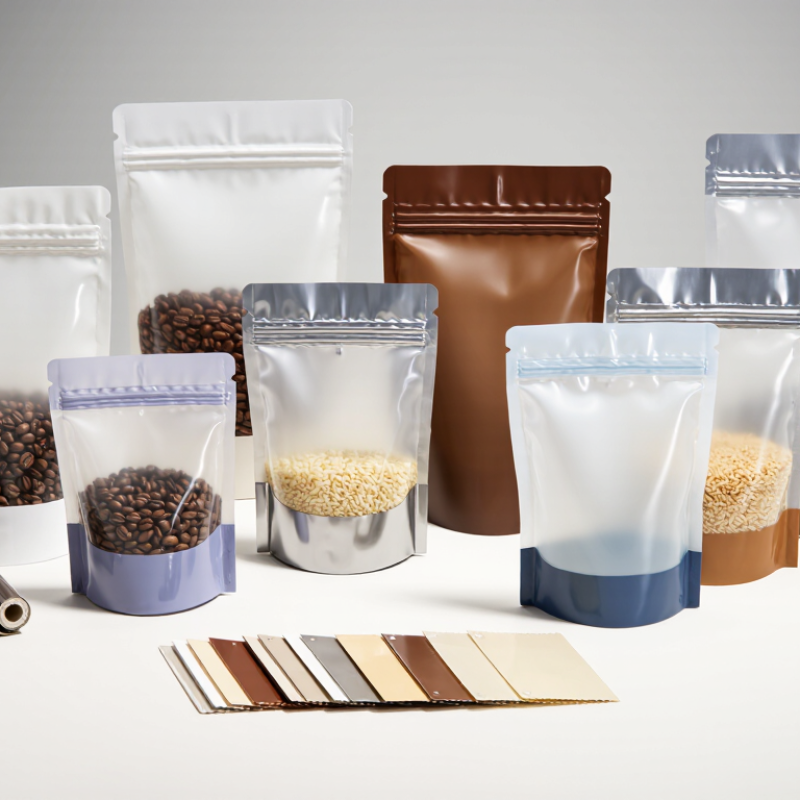
2026 Best Bottom Gusset Pouches for Global Buyers?

What Are Bottom Gusset Pouches and How Do They Work?

Bottom gusset pouches are flexible bags with an expanded panel along the lower edge. This panel opens during filling and creates a stable base. Unlike flat pouches, they can stand upright on shelves or pallets. Their structure usually combines several film layers. Each layer serves a purpose, such as barrier protection, strength, or heat sealing. In real packaging projects, the gusset width affects capacity and balance. A wider base can improve stability, but it may also increase material use.

During production, packaging equipment forms the bottom fold and seals the side edges. A filling machine opens the pouch, measures the product, and releases it through the top opening. Heat seals close the mouth after air is adjusted. For powders, granules, and other dry goods, seal temperature and pressure need careful control. Too much heat can weaken the film. Too little heat can create leaks. I have found that actual product trials matter more than drawings. Vibration, sharp particles, and moisture can change performance. That point is sometimes underestimated.

Tips: Ask for filled samples before ordering. Check standing stability, seal strength, drop resistance, and odor transfer. Confirm the pouch fits your filling line. Measure the filled height, width, and gusset depth, not only the empty dimensions. Request material specifications and relevant contact documentation. Review storage conditions and transport temperatures. A pouch that works in a cool warehouse may behave differently in humid conditions. Leave room for revision. Packaging decisions are rarely perfect on the first test.

2026 Best Bottom Gusset Pouches for Global Buyers? - What Are Bottom Gusset Pouches and How Do They Work?
Bottom Gusset Pouch Type How It Works Typical Structure Common Capacity Range Typical Barrier Performance Recommended Contents Closure Options Key Advantages Important Buying Considerations
Quad-Seal Bottom Gusset Pouch Four sealed vertical corners create a stable rectangular base. The gusset opens as the pouch is filled, allowing it to stand upright. PET/PE for standard dry goods; PET/AL/PE or PET/MPET/PE for higher light and oxygen protection. 500 g to 5 kg, depending on width, height, gusset depth, and film strength. Medium to very high, depending on whether a metallized or aluminum barrier layer is used. Coffee, grains, flour, pet food, powdered products, and dry snacks. Heat seal, zipper, tin tie, degassing valve, or tear notch. Excellent shelf stability, strong load distribution, and a premium retail appearance. Confirm seal strength, corner construction, filling speed, and the required package headspace.
K-Seal Bottom Gusset Pouch A central bottom seal forms a K-shaped pattern when the pouch is opened, helping the package stand while using fewer bottom sealing lines. PE-based mono-material structures or laminated PET/PE structures are commonly used. 250 g to 2 kg. Low to high, depending on film selection and coating or barrier layers. Pet treats, confectionery, snacks, cereals, and lightweight dry products. Press-to-close zipper, heat seal, tear notch, or slider zipper. Good merchandising stability and efficient material use for many dry products. Check whether the bottom seal design matches the product weight and automated filling process.
Doyen-Style Bottom Gusset Pouch A folded bottom panel opens into a broad base, allowing the pouch to stand upright without a separate rigid container. Typically PET/PE, BOPP/PE, or high-barrier laminated films. 100 g to 2 kg. Low to high; metallized film or aluminum foil improves protection from light and oxygen. Snacks, nuts, dried fruit, pet treats, and powdered foods. Zipper, heat seal, laser score, tear notch, or resealable top. Wide front display area, convenient opening, and good use of shelf space. Evaluate base width, filled-pouch balance, top seal area, and compatibility with retail display requirements.
Coffee Bottom Gusset Pouch The bottom gusset provides a stable base, while a one-way valve releases carbon dioxide from freshly roasted coffee without allowing outside air to enter. PET/PE, PET/MPET/PE, or PET/AL/PE; the inner layer must provide reliable heat sealing. 250 g, 500 g, 1 kg, and larger commercial formats. High to very high oxygen and aroma protection when a suitable barrier laminate is used. Whole-bean coffee and ground coffee. One-way degassing valve, zipper, tin tie, heat seal, and tear notch. Protects aroma, supports degassing, and creates a strong upright presentation. Specify valve placement, oxygen transmission target, seal temperature range, and roast-to-pack timing.
High-Barrier Aluminum Bottom Gusset Pouch An aluminum foil layer blocks light and greatly reduces transmission of oxygen and moisture when the laminate and seals are properly designed. PET/AL/PE, OPA/AL/PE, or other foil-based multilayer laminates. 100 g to 5 kg. Very high protection against light, oxygen, aroma loss, and moisture ingress. Specialty coffee, spices, powdered beverages, sensitive ingredients, and long-shelf-life dry foods. Heat seal, zipper, tear notch, and optional degassing valve. Strong product protection and reliable performance for demanding storage conditions. Foil is not transparent and is generally less suitable for recycling than approved mono-material alternatives.
Recyclable Mono-Material PE Pouch A PE-based film structure forms the pouch and bottom gusset while maintaining flexibility and a stand-up format. PE/PE or compatible polyethylene film layers, subject to local recycling guidelines. 100 g to 2 kg. Low to medium; enhanced PE barrier grades can provide higher protection for selected products. Dry snacks, pet food, detergent powders, and products with moderate barrier requirements. PE zipper, heat seal, tear notch, or laser-scored opening. Potentially simpler material stream and good flexibility. Recyclability depends on local collection systems, approved structures, inks, adhesives, and applicable regulations.
Paper-Laminated Bottom Gusset Pouch A paper outer layer provides a natural appearance while the inner polymer layer provides sealing and product protection. Kraft paper/PE, paper/PET/PE, or paper/foil/PE for higher barrier needs. 100 g to 2 kg. Low to high, depending on the inner film and whether a metallized or foil layer is included. Bakery products, dry foods, coffee, tea, pet treats, and non-food powders. Heat seal, zipper, tin tie, tear notch, or valve for coffee formats. Paper-based appearance, printable surface, and strong shelf differentiation. Paper-laminated packs are not automatically recyclable; verify local recycling acceptance and separation requirements.
Heavy-Duty Industrial Bottom Gusset Pouch A reinforced gusset and high-strength film support heavier contents and reduce the risk of rupture during handling and transport. Heavy-gauge PE, woven PP laminate, or multilayer industrial film. 5 kg to 25 kg or more, depending on construction and filling conditions. Low to high, based on film, coatings, and required moisture or oxygen barrier. Animal feed, agricultural products, minerals, chemicals, and industrial powders. Heat seal, sewn closure, tamper-evident seal, or valve closure. High load capacity, efficient palletization, and improved handling performance. Request drop-test data, seam strength, puncture resistance, pallet pattern, and transport-condition testing.
Spouted Bottom Gusset Pouch The bottom gusset provides stability while a fitment and cap enable controlled pouring or dispensing of liquids and semi-liquids. PE or multilayer PET/PE and PET/NY/PE structures, selected according to product compatibility. 200 ml to 5 L. Medium to high, depending on the product, oxygen sensitivity, and laminate specification. Liquid foods, sauces, concentrates, detergents, and personal-care products. Spout with screw cap, tethered cap, tamper-evident ring, or induction-compatible closure. Lightweight format, controlled dispensing, and efficient use of transport volume. Validate fitment torque, leak resistance, chemical compatibility, filling temperature, and drop performance.

Note: Capacity, barrier performance, dimensions, and seal strength vary according to film thickness, laminate structure, pouch geometry, filling equipment, product density, and local packaging regulations. All figures shown are typical industry ranges for preliminary specification and should be confirmed through supplier testing.

Key Materials and Barrier Options for 2026 Packaging Needs

2026 Best Bottom Gusset Pouches for Global Buyers?

Bottom gusset pouches offer stable shelf presentation and useful filling volume. Their material choice should match the product, climate, and distribution route. Polyethylene provides flexibility, seal strength, and reliable moisture protection. Polypropylene can improve stiffness and heat resistance. For oxygen-sensitive goods, EVOH or aluminum foil may provide stronger protection. Metallized films can reduce light and oxygen exposure, often with lower material use than foil.

Barrier performance is not only a film issue. Seals, closures, folds, and printing layers can create weak points. A pouch tested in a dry warehouse may perform differently after weeks in humid transport. I have seen specifications look excellent, yet practical handling exposed seal distortion. That is worth reviewing. Mono-material structures may support simpler recycling pathways, but their barrier limits require careful testing. No option fits every product.

Tips: Define the required oxygen transmission rate and moisture transmission rate before requesting samples. Test filled pouches through heat, cold, stacking, vibration, and humidity cycles. Check whether the bottom gusset opens smoothly without stressing the seal. Ask for migration data, food-contact documentation, and batch consistency records. Keep a retained sample from each production lot. Small details matter.

2026 Best Bottom Gusset Pouches for Global Buyers: Key Barrier Options

The chart compares representative oxygen transmission rates (OTR) for common bottom gusset pouch material structures at approximately 23°C and 50% relative humidity. Lower OTR indicates stronger oxygen protection. Metallized films, aluminum foil laminates, and EVOH-based structures are generally preferred for coffee, snacks, powdered foods, pet food, and other oxygen-sensitive products. Actual performance varies with film thickness, seal quality, humidity, converting process, and test method.

How to Compare Sizes, Features, and Filling Performance

2026 Best Bottom Gusset Pouches for Global Buyers?

Choosing a bottom gusset pouch starts with the product, not the catalog photo. Measure volume, density, and settling behavior before selecting dimensions. A 500-gram powder may need more headspace than dense granules. Compare width, height, and gusset depth together. A wider base improves shelf stability, but it can increase material use. That trade-off deserves attention.

For filling performance, check the pouch opening, seal area, and internal clearance. Automatic lines usually need consistent pouch geometry and firm top edges. A narrow mouth can slow powder flow and create dust around the seal. A larger opening may fill faster, yet it can reduce control with small particles. Test the actual product at production speed. Small trials reveal surprises. Observe dropping, air release, seal wrinkles, and final weight variation. Filling tests matter more than attractive samples.

Features should match handling conditions. A zipper supports repeated use, while a tear notch improves access. Barrier layers help protect contents from moisture, oxygen, light, or odors. Choose based on storage time and transport exposure, not assumptions. Ask for seal-strength data, dimensional tolerances, and migration documentation when relevant. Reliable suppliers should explain test methods and provide traceable samples. Production reviews often reveal oversized gussets collapsing when the base forms unevenly. It looked efficient on paper. A second trial may change the specification.

Which Bottom Gusset Pouches Suit Different Global Products?

Bottom gusset pouches suit many products, but the correct structure depends on weight, flow, moisture, and shelf-life needs. They stand upright on shelves and during filling, creating useful display space. Dry snacks often need a strong seal, moderate barrier protection, and a wide opening. Coffee requires stronger oxygen and moisture protection, especially during long-distance shipping. Powdered products need controlled filling because fine particles can weaken the seal.

Heavier items, such as grains or household powders, usually require thicker films and reinforced gussets. Liquid or oily products need carefully tested seal layers to prevent leakage. A resealable zipper helps frequent-use products, but it may add cost and packaging height. I have found that appearance can mislead buyers. A pouch may look stable but collapse after repeated opening or rough transport. Sample testing remains essential.

Tips: Match the gusset width to the product’s weight and filling method. Test filled pouches in hot, cold, and humid conditions. Check seal strength after vibration and stacking. Ask suppliers for food-contact documents, material specifications, and migration test reports when applicable. Do not select the lowest price automatically. A small film upgrade may reduce returns, but the result should be measured rather than assumed.

How to Evaluate Suppliers, Compliance, and Total Cost

2026 Best Bottom Gusset Pouches for Global Buyers?

How to Evaluate Suppliers, Compliance, and Total Cost

Choosing a bottom gusset pouch requires more than comparing unit prices. Ask suppliers for material structures, thickness tolerances, sealing temperatures, and production samples. A sample should stand upright on a shelf and remain stable after filling. Check the zipper, corners, and seal strength by handling filled pouches, not empty ones.

Supplier reliability needs evidence. Review factory quality records, testing schedules, equipment maintenance, and traceability procedures. Request recent reports for food-contact safety, ink migration, heavy metals, and packaging composition. Requirements differ across markets, so confirm documents with qualified local specialists. A polished certificate may still be outdated. That detail matters.

Calculate the total cost carefully. Include tooling, minimum order quantities, freight, import charges, inspection, storage, and possible rejects. A cheaper pouch can become expensive when poor seals cause product loss. Ask how defects are measured and who pays for replacements. Clarify lead times during holiday periods, too. Delays rarely appear in the quotation.

Sustainability claims deserve practical questions. Request the exact recyclable structure and disposal guidance, rather than accepting broad language. Some thinner films may reduce material use but perform poorly under heavy filling. This is where evaluation becomes imperfect. A buyer may value appearance, barrier protection, and lower cost differently. Record those trade-offs before approving a supplier, and keep an inspection sample from every production batch.

Copyright 2025 Fluidra S.A. | Created by BCM Marketing Agencia Privacy Policy Legal note | Cookie policy |

Technical cookies are strictly necessary for our website to work and you can navigate through it. These types of cookies are those that, for example, allow us to identify you, give you access to certain restricted parts of the page if necessary, or remember different options or services already selected by you, such as your privacy preferences. Therefore, they are activated by default, your authorization not being necessary in this regard. Through the configuration of your browser, you can block or alert the presence of this type of cookies, although such blocking will affect the proper functioning of the different functionalities of our website.


The analysis cookies allow us to study the navigation of the users of our website in general (for example, which sections of the page are the most visited, which services are used most and if they work correctly, etc.). From the statistical information on navigation on our website, we can improve both the operation of the page itself and the different services it offers. Therefore, these cookies do not have an advertising purpose, but only serve to make our website work better, adapting to our users in general. By activating them you will contribute to this continuous improvement. You can enable or disable these cookies by checking the corresponding box, being disabled by default.


Functionality cookies allow us to remember your preferences, to personalize certain characteristics and general options of our website, every time you access it (for example, the language in which the information is presented to you, the sections marked as favorites, your browser type, etc.) Therefore, this type of cookies does not have an advertising purpose, but by activating them you will improve the functionality of the website (for example, adapting to your type of browser) and the customization of it based on your preferences (for example, by presenting the information in the language that you have chosen in previous occasions), which will contribute to the ease, usability and comfort of our page during your navigation. You can enable or disable these cookies by checking the corresponding box, being disabled by default.


Advertising cookies allow us to manage the advertising spaces included in our website based on criteria such as the content shown or the frequency in which the ads are displayed. For example, if you have been shown the same ad several times on our website, and you have not shown a personal interest by clicking on it, it will not appear again. In summary, by activating this type of cookies, the advertising shown on our website will be more useful and diverse, and less repetitive. You can enable or disable these cookies by checking the corresponding box, being disabled by default.


Behavioral advertising cookies allow us to obtain information based on the observation of your browsing habits and behaviors on the web, in order to show you advertising content that best suits your personal tastes and interests. To understand it in a very simple way, we will give you a fictitious example: if your last searches on the web were related to suspense literature, we would show you advertising about suspense books. Therefore, activating this type of cookies, the advertising that we show you on our website will not be generic, but will be oriented to your searches, tastes and interests, therefore adjusting exclusively to you. You can enable or disable these cookies by checking the corresponding box, being disabled by default.
To understand it in a very simple way, we will give you a fictitious example: if your last searches on the web were related to suspense literature, we would show you advertising about suspense books. Therefore, activating this type of cookies, the advertising that we show you on our website will not be generic, but will be oriented to your searches, tastes and interests, therefore adjusting exclusively to you. You can enable or disable these cookies by checking the corresponding box, being disabled by default.

SAVE

We use our own and third-party cookies to ensure the proper functioning of the website and to analyse our services, improve your experience on our website and show you advertisements related to your interests according to profiling based on your browsing habits (e.g. websites visited). You can accept all cookies by clicking "ACCEPT" or set or reject them by clicking here. If you would like to know more about the use of cookies, please see our COOKIE POLICY.


ACCEPT ALL
Reject no essentials


