
What Is the 2026 Best Automatic Bag Feeding Machine?
FLUID HANDLING EXPERTS

Blog, all our news

What Is the 2026 Best Automatic Bag Feeding Machine?

Choosing the best Automatic Bag Feeding Machine in 2026 requires more than comparing speed claims. The right model should match bag materials, product dimensions, production volume, and available floor space. A machine that performs well with flat pouches may struggle with gusseted bags or uneven packaging. That difference matters.

In a real packaging line, operators notice small details first. Does the feeder separate bags cleanly at 80 cycles per minute? Can its sensors detect a folded edge before filling begins? Are adjustments simple enough for a trained worker to complete without extended downtime? Reliable machines usually offer stable feeding, accessible controls, stainless-steel contact parts, and clear maintenance procedures. They should also connect smoothly with fillers, sealers, printers, and inspection systems. Safety guarding and emergency-stop access deserve equal attention.

There is no universal winner.

A professional review should examine verified specifications, testing conditions, warranty terms, spare-part support, and supplier experience. Energy use and noise levels also influence long-term operating costs. Some manufacturers advertise maximum output, but practical performance may fall when bags vary in thickness or surface texture. That is where careful testing becomes essential. Buyers should request sample trials using their actual bags and products. The best Automatic Bag Feeding Machine is therefore not simply the fastest option. It is the most dependable fit for a specific operation, supported by measurable evidence and responsive technical service. Even this approach has limits, because future bag designs and changing production demands can expose weaknesses that a short trial misses.
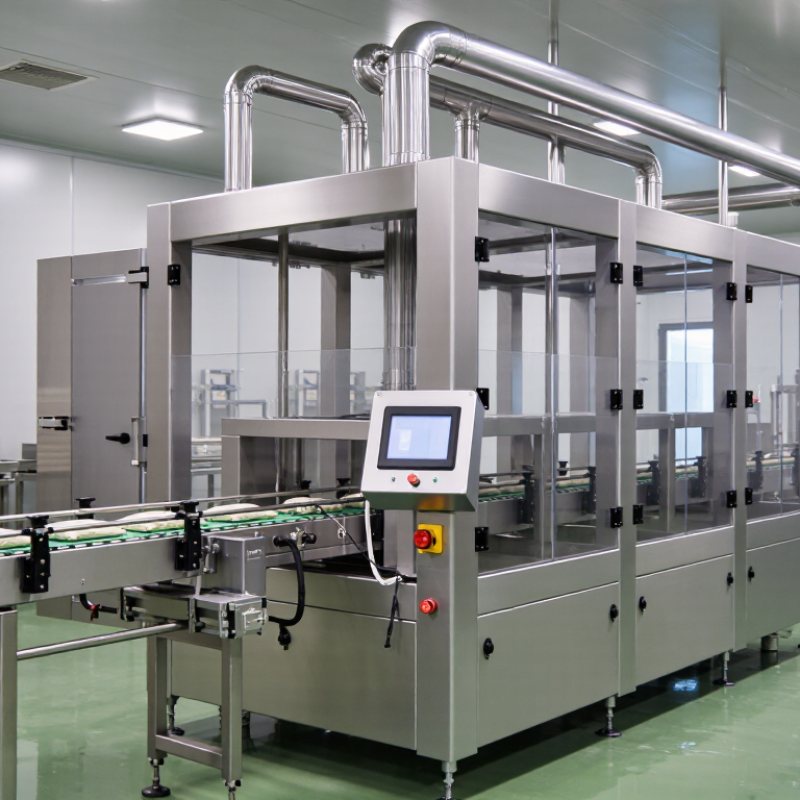
What Is the 2026 Best Automatic Bag Feeding Machine?

Definition and Core Function of an Automatic Bag Feeding Machine

What Is the 2026 Best Automatic Bag Feeding Machine?

Definition and Core Function of an Automatic Bag Feeding Machine

An automatic bag feeding machine is an industrial system for handling empty, pre-made bags. It retrieves bags from a stack, separates them, and positions them for filling. The machine replaces repeated manual placement with controlled mechanical movement. Its core function is simple: deliver one correctly oriented bag at a stable speed.

Typical units use vacuum cups, grippers, belts, and sensors. A vacuum cup lifts the top bag, while sensors check its position and presence. Grippers may open the bag before transferring it to a filling or sealing station. Some systems also detect double bags, crooked edges, or failed pickup. These checks reduce stoppages and material waste.

In real production, bag quality strongly affects performance. Thin film may cling together, while rough paper can resist opening. Humidity, dust, and uneven stacks create additional problems. No machine handles every bag perfectly. A specification can look impressive and still disappoint on the factory floor. Careful testing with actual bag sizes is essential. Operators should measure pickup accuracy, changeover time, and recovery after a fault. Regular cleaning matters, especially around vacuum filters and sensors. A reliable design should be adjustable, accessible, and clear to operate, not merely fast. Even then, small alignment errors may require human judgment.

What Is the 2026 Best Automatic Bag Feeding Machine?

Definition and Core Function of an Automatic Bag Feeding Machine

An automatic bag feeding machine removes pre-made bags from a magazine, separates them, transfers them to the next station, and can support opening, detection, and handoff operations. The chart shows the generalized process order used in automated packaging lines; the exact configuration depends on the bag material, size, closure style, and downstream equipment.

How the 2026 Best Automatic Bag Feeding Machine Works

What Is the 2026 Best Automatic Bag Feeding Machine?

How the 2026 Best Automatic Bag Feeding Machine Works

A modern automatic bag feeding machine begins with a stacked magazine of pre-made bags. A servo-driven pick-up arm removes one bag at a controlled speed. Vacuum cups or mechanical grippers hold the bag securely. Sensors check its position before the next movement starts. This prevents empty cycles and reduces accidental tearing. The controller then guides the bag toward the filling station. In many systems, a pneumatic opener separates the front and rear panels. The bag becomes ready for accurate product loading.

After filling, another sensor confirms the bag’s height and alignment. The machine may then fold, seal, or transfer it to a conveyor. A programmable controller coordinates timing between every station. Operators can adjust gripping pressure, opening depth, and cycle speed. From practical testing, correct adjustment matters as much as machine design. Thin film bags may wrinkle. Humid packaging can also reduce vacuum grip. No system performs perfectly without maintenance and suitable materials.

Tips: Keep the magazine clean and evenly loaded. Test several bag sizes before full production. Check vacuum filters every day. Reduce speed when bags show stretching or misalignment. Record failed cycles, because small patterns often reveal larger setup problems. A short manual inspection remains useful, even with advanced sensors.

Key Features That Define the Best Models in 2026

What Is the 2026 Best Automatic Bag Feeding Machine?

Key Features That Define the Best Models in 2026

The best automatic bag feeding machine in 2026 is not defined by speed alone. It must handle different bag sizes with steady accuracy. A reliable system adjusts opening width, feeding timing, and conveyor speed without lengthy manual work.

In production trials, smooth bag separation often matters more than impressive maximum output. Small jams can quickly damage efficiency.

Modern models should include servo-driven controls, clear sensors, and real-time fault alerts. These features help operators detect double bags, empty pockets, and misaligned openings.

Tool-free changeover is also valuable when packaging requirements change during a shift. A practical machine should make adjustments visible, not hide them inside complex menus. That saves training time.

Hygienic construction is another defining feature. Smooth stainless-steel surfaces reduce dust collection and simplify daily cleaning. The feeding path should remain accessible for inspection.

Safety doors, emergency stops, and controlled restart functions are essential for responsible operation. Energy monitoring can reveal waste that is easy to overlook.

However, automation is not always perfect. Sensors may struggle with thin, glossy, or static-prone bags. Operators still need judgment, regular maintenance, and careful testing. The strongest 2026 models combine intelligent control with dependable mechanical design, rather than relying on software alone.

Applications and Benefits Across Modern Packaging Operations

What Is the 2026 Best Automatic Bag Feeding Machine?

Applications and Benefits Across Modern Packaging Operations

The best automatic bag feeding machine in 2026 is not simply the fastest model. It must match bag material, product weight, filling speed, and available floor space. On a modern line, it can pick pre-made pouches, open them, and position them for accurate filling. Food, household goods, cosmetics, agricultural products, and regulated healthcare packaging can all use this format. Clean contact surfaces matter. So does gentle handling.

The Smithers report, The Future of Global Packaging to 2029, forecasts continued global packaging growth through 2029. Flexible packaging remains important because it reduces material use and shipping weight. An automatic bag feeder supports this shift by improving pouch consistency and reducing manual handling. PMMI’s 2024 U.S. Packaging Machinery State of the Industry report also identifies automation and labor availability as major equipment investment drivers. The practical benefit is visible: fewer empty bags, steadier machine cycles, and simpler operator movement.

Integration decides real performance. A reliable feeder should communicate with filling, sealing, coding, inspection, and reject systems. Tool-free adjustments can shorten changeovers between pouch sizes. Servo control can improve placement accuracy, but poor bag quality still causes stoppages. That is easy to overlook. The International Federation of Robotics reported 541,302 industrial robots installed worldwide in 2023, showing how strongly automation is expanding. Yet the most expensive machine is not always the best choice. Trial runs with actual bags, products, and speeds reveal problems that brochures rarely show.

How to Evaluate and Select the Right Machine for Your Needs

What Is the 2026 Best Automatic Bag Feeding Machine?

The best automatic bag feeding machine is not always the fastest model. It is the machine that matches your bags, products, floor space, and operators. Measure each bag carefully, including width, length, thickness, and sealing edge. Small differences can cause jams. Test bags under real production conditions, not only with factory samples.

Check feeding accuracy, changeover time, sensor performance, and access for cleaning. A useful machine should handle your expected speed without constant adjustments. Ask for trial data using your actual bags and product weights. Review rejected bags, stoppages, and recovery time. Speed is not everything. A smooth recovery matters.

Controls should be clear for new operators. Safety guards, emergency stops, and documented maintenance procedures should be easy to verify. Consider local technical support, spare-part availability, and training quality before purchase. Total cost includes electricity, film waste, labor, and downtime. A cheaper machine may cost more after one year. I would also request a long-run test, because a short demonstration can hide heat, dust, or alignment problems. No evaluation is perfect. Leave room for operator feedback after installation.

Copyright 2025 Fluidra S.A. | Created by BCM Marketing Agencia Privacy Policy Legal note | Cookie policy |

Technical cookies are strictly necessary for our website to work and you can navigate through it. These types of cookies are those that, for example, allow us to identify you, give you access to certain restricted parts of the page if necessary, or remember different options or services already selected by you, such as your privacy preferences. Therefore, they are activated by default, your authorization not being necessary in this regard. Through the configuration of your browser, you can block or alert the presence of this type of cookies, although such blocking will affect the proper functioning of the different functionalities of our website.


The analysis cookies allow us to study the navigation of the users of our website in general (for example, which sections of the page are the most visited, which services are used most and if they work correctly, etc.). From the statistical information on navigation on our website, we can improve both the operation of the page itself and the different services it offers. Therefore, these cookies do not have an advertising purpose, but only serve to make our website work better, adapting to our users in general. By activating them you will contribute to this continuous improvement. You can enable or disable these cookies by checking the corresponding box, being disabled by default.


Functionality cookies allow us to remember your preferences, to personalize certain characteristics and general options of our website, every time you access it (for example, the language in which the information is presented to you, the sections marked as favorites, your browser type, etc.) Therefore, this type of cookies does not have an advertising purpose, but by activating them you will improve the functionality of the website (for example, adapting to your type of browser) and the customization of it based on your preferences (for example, by presenting the information in the language that you have chosen in previous occasions), which will contribute to the ease, usability and comfort of our page during your navigation. You can enable or disable these cookies by checking the corresponding box, being disabled by default.


Advertising cookies allow us to manage the advertising spaces included in our website based on criteria such as the content shown or the frequency in which the ads are displayed. For example, if you have been shown the same ad several times on our website, and you have not shown a personal interest by clicking on it, it will not appear again. In summary, by activating this type of cookies, the advertising shown on our website will be more useful and diverse, and less repetitive. You can enable or disable these cookies by checking the corresponding box, being disabled by default.


Behavioral advertising cookies allow us to obtain information based on the observation of your browsing habits and behaviors on the web, in order to show you advertising content that best suits your personal tastes and interests. To understand it in a very simple way, we will give you a fictitious example: if your last searches on the web were related to suspense literature, we would show you advertising about suspense books. Therefore, activating this type of cookies, the advertising that we show you on our website will not be generic, but will be oriented to your searches, tastes and interests, therefore adjusting exclusively to you. You can enable or disable these cookies by checking the corresponding box, being disabled by default.
To understand it in a very simple way, we will give you a fictitious example: if your last searches on the web were related to suspense literature, we would show you advertising about suspense books. Therefore, activating this type of cookies, the advertising that we show you on our website will not be generic, but will be oriented to your searches, tastes and interests, therefore adjusting exclusively to you. You can enable or disable these cookies by checking the corresponding box, being disabled by default.

SAVE

We use our own and third-party cookies to ensure the proper functioning of the website and to analyse our services, improve your experience on our website and show you advertisements related to your interests according to profiling based on your browsing habits (e.g. websites visited). You can accept all cookies by clicking "ACCEPT" or set or reject them by clicking here. If you would like to know more about the use of cookies, please see our COOKIE POLICY.


ACCEPT ALL
Reject no essentials


