
What is a 12v Battery UPS and How Does it Work?
FLUID HANDLING EXPERTS

Blog, all our news

What is a 12v Battery UPS and How Does it Work?

A 12v Battery Ups is an essential device for ensuring an uninterrupted power supply. This system uses 12-volt batteries to maintain operation during voltage disturbances or outages. It mainly serves electronic devices that require a stable power source. Understanding how a 12v Battery UPS operates can help users make informed decisions about their energy needs.

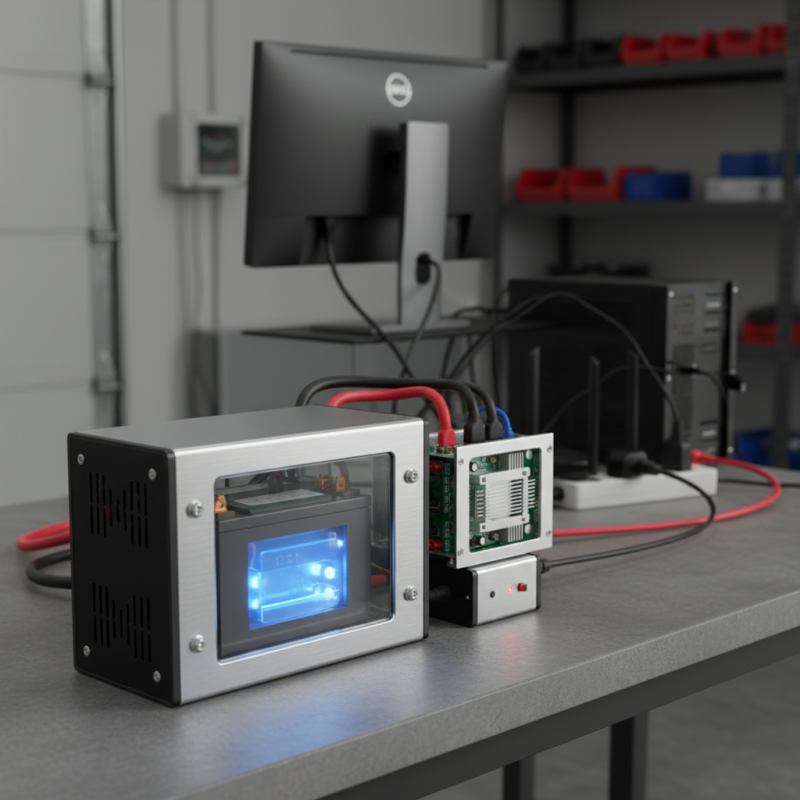
It primarily consists of a battery, an inverter, and a charging unit. The battery stores energy, while the inverter converts DC power to AC power. Within this system, there are also critical components, such as the transfer switch that ensures a seamless transition between power sources. During an outage, a 12v Battery UPS can keep devices running without interruptions.

However, users may encounter challenges, like battery maintenance or finding the right capacity. This emphasizes the importance of researching and understanding your specific requirements. Investing in a reliable 12v Battery UPS can significantly enhance the safety and efficiency of your electronic equipment.
What is a 12v Battery UPS and How Does it Work?

Overview of 12v Battery UPS Systems

A 12v Battery UPS (Uninterruptible Power Supply) system provides backup power when the main supply fails. These systems are crucial for maintaining operations during blackouts. They store energy in a 12-volt battery, ensuring that critical devices remain functional, even during outages. These units are often used in home and small office settings.

Installation is relatively straightforward. The UPS connects between the power source and the equipment needing backup. This setup ensures that the battery charges while in use. It automatically switches to battery power during an outage, providing immediate support.

Tips: Regularly test the system to ensure reliability. Batteries have a lifespan, so replace them as needed. Monitor the UPS’s battery status indicators for optimal performance.

For many users, understanding battery capacity is key. A 12v battery is typically rated in Ah (amp hours). Higher ratings mean longer runtime during outages. However, larger batteries are also heavier and may require more space.

Tips: Size your UPS according to the total wattage of devices. Oversizing can lead to wasted energy. Conversely, undersizing may leave devices unsupported. Evaluate your power needs carefully to optimize performance. Keep the UPS in a well-ventilated area to prevent overheating.

Components of a 12v Battery UPS

A 12V battery UPS (Uninterruptible Power Supply) is crucial for various applications. It provides reliable backup power during outages. The primary components of a 12V battery UPS include the battery, inverter, and charger. Each plays a vital role in ensuring seamless operation.

The battery stores energy. Typical lead-acid batteries range from 20Ah to 200Ah capacity. According to industry reports, approximately 70% of UPS failures are due to battery issues. Proper maintenance can extend battery life. The inverter converts DC power from the battery into AC power for devices, making it essential for delivering usable electricity during interruptions. Inverters are often rated in VA or kVA, indicating their power capacity.

The charger ensures the battery is always ready. It maintains optimal charge levels and prevents overcharging. Many modern chargers include features for efficiency and protection, which can improve battery lifespan by 20% to 30%. However, not all chargers are equally effective. Choosing the right charger is crucial.

Overall, while a 12V battery UPS can be an excellent investment, users must pay attention to each component's quality and maintenance requirements. Regular checks can prevent unexpected failures.

How a 12v Battery UPS Functions

A 12v battery UPS (Uninterruptible Power Supply) is a crucial component for maintaining power continuity during outages. It functions by using a rechargeable battery to provide backup power. When the main power source fails, the UPS automatically switches to battery mode. This process ensures that connected devices continue to operate without interruption.

The key mechanism involves an inverter and a charge controller. The inverter converts the battery's DC power into AC power, allowing it to match the output of standard wall sockets. A 2022 report from the International Energy Agency highlights that UPS systems are critical for data protection. As digital devices proliferate, the demand for reliable backup systems increases. Many users overlook battery capacity when selecting a UPS, even though capacity significantly influences performance and runtime.

It's essential to recognize potential shortcomings within 12v battery UPS systems. Battery life varies, influenced by usage and charging cycles. Routine maintenance checks can be neglected, leading to unexpected failures. According to industry data, about 30% of UPS systems do not receive regular servicing. This lack of attention jeopardizes performance, emphasizing the need for user awareness and proactive management.

Benefits of Using a 12v Battery UPS

A 12V battery UPS (Uninterruptible Power Supply) is vital for continuous power supply in various applications. One major benefit is its ability to provide backup power during outages. According to a report from the Electric Power Research Institute, power outages can cost businesses up to $150 billion annually. A 12V battery UPS mitigates this risk, ensuring important systems remain operational.

Additionally, a 12V battery UPS is highly efficient. These systems typically operate with over 90% efficiency, reducing energy waste. This efficiency is crucial, especially in industries like healthcare, where uninterrupted power is essential. Furthermore, the compact design makes it suitable for various scenarios, from home offices to remote locations. It's important to point out that sizing and capacity must be carefully considered, as an under-specification can lead to inadequate backup time.

Adopting a 12V battery UPS reflects a proactive approach to power management. However, users should regularly test their systems. A statistic shows that only 40% of UPS systems are tested annually. This lack of maintenance can lead to unexpected failures. Addressing this can enhance reliability and performance, making a significant difference in everyday operations.

Common Applications for 12v Battery UPS Systems

12v Battery UPS systems play a crucial role in various applications. These systems provide backup power, ensuring operations continue during outages. They are common in critical settings, such as hospitals and data centers. According to the International Energy Agency, around 30% of all power interruptions last less than five minutes but can lead to significant data loss or equipment damage.

In residential settings, a 12v Battery UPS can protect home electronics. This includes computers and networking equipment. A sudden power loss can corrupt data or affect connections. Researchers found that nearly 50% of users faced disruptions due to unprotected devices. For businesses, UPS systems ensure that essential operations remain uninterrupted. They can sustain vital equipment, protecting investments and minimizing downtime.

Despite their advantages, users must evaluate their power needs. Some may underestimate the required capacity. This can lead to inadequate power supply during critical moments. Regular maintenance is also necessary to ensure efficiency. Ignoring this can result in failure during emergencies. As power demands increase, understanding the role of a 12v Battery UPS is essential.

12V Battery UPS - Common Applications

Copyright 2025 Fluidra S.A. | Created by BCM Marketing Agencia Privacy Policy Legal note | Cookie policy |

Technical cookies are strictly necessary for our website to work and you can navigate through it. These types of cookies are those that, for example, allow us to identify you, give you access to certain restricted parts of the page if necessary, or remember different options or services already selected by you, such as your privacy preferences. Therefore, they are activated by default, your authorization not being necessary in this regard. Through the configuration of your browser, you can block or alert the presence of this type of cookies, although such blocking will affect the proper functioning of the different functionalities of our website.


The analysis cookies allow us to study the navigation of the users of our website in general (for example, which sections of the page are the most visited, which services are used most and if they work correctly, etc.). From the statistical information on navigation on our website, we can improve both the operation of the page itself and the different services it offers. Therefore, these cookies do not have an advertising purpose, but only serve to make our website work better, adapting to our users in general. By activating them you will contribute to this continuous improvement. You can enable or disable these cookies by checking the corresponding box, being disabled by default.


Functionality cookies allow us to remember your preferences, to personalize certain characteristics and general options of our website, every time you access it (for example, the language in which the information is presented to you, the sections marked as favorites, your browser type, etc.) Therefore, this type of cookies does not have an advertising purpose, but by activating them you will improve the functionality of the website (for example, adapting to your type of browser) and the customization of it based on your preferences (for example, by presenting the information in the language that you have chosen in previous occasions), which will contribute to the ease, usability and comfort of our page during your navigation. You can enable or disable these cookies by checking the corresponding box, being disabled by default.


Advertising cookies allow us to manage the advertising spaces included in our website based on criteria such as the content shown or the frequency in which the ads are displayed. For example, if you have been shown the same ad several times on our website, and you have not shown a personal interest by clicking on it, it will not appear again. In summary, by activating this type of cookies, the advertising shown on our website will be more useful and diverse, and less repetitive. You can enable or disable these cookies by checking the corresponding box, being disabled by default.


Behavioral advertising cookies allow us to obtain information based on the observation of your browsing habits and behaviors on the web, in order to show you advertising content that best suits your personal tastes and interests. To understand it in a very simple way, we will give you a fictitious example: if your last searches on the web were related to suspense literature, we would show you advertising about suspense books. Therefore, activating this type of cookies, the advertising that we show you on our website will not be generic, but will be oriented to your searches, tastes and interests, therefore adjusting exclusively to you. You can enable or disable these cookies by checking the corresponding box, being disabled by default.
To understand it in a very simple way, we will give you a fictitious example: if your last searches on the web were related to suspense literature, we would show you advertising about suspense books. Therefore, activating this type of cookies, the advertising that we show you on our website will not be generic, but will be oriented to your searches, tastes and interests, therefore adjusting exclusively to you. You can enable or disable these cookies by checking the corresponding box, being disabled by default.

SAVE

We use our own and third-party cookies to ensure the proper functioning of the website and to analyse our services, improve your experience on our website and show you advertisements related to your interests according to profiling based on your browsing habits (e.g. websites visited). You can accept all cookies by clicking "ACCEPT" or set or reject them by clicking here. If you would like to know more about the use of cookies, please see our COOKIE POLICY.


ACCEPT ALL
Reject no essentials


